
Meet Maureen: real stories of self management
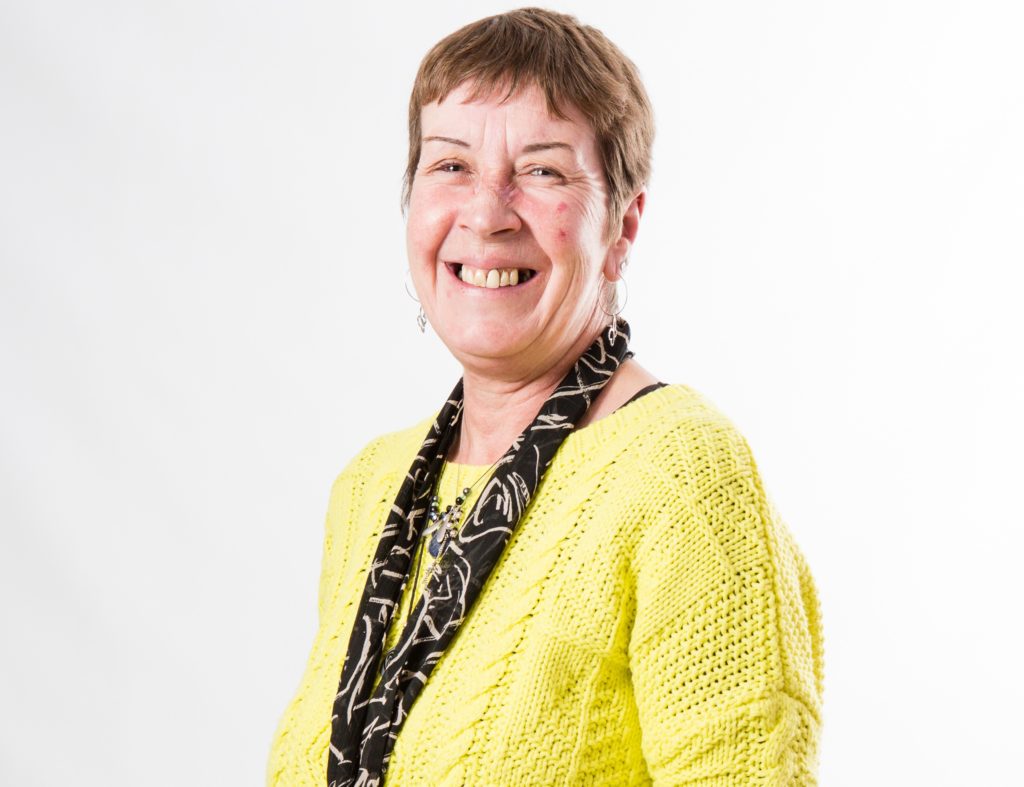
Self management is not just one particular technique of activity, it is a range of things, which together help me live better.
Maureen is 58 years old, and was formerly self-employed to fit work around raising a family and managing her health condition. Now, however, she is no longer in employment. Maureen was diagnosed with lupus when she turned forty but has been living with painful symptoms since she was a teenager. The term lupus is most often used to describe systemic lupus erythematosus, it is a complex and poorly understood condition.
For many years Maureen has lived with sudden flare-ups – periods where the symptoms of the condition can be extremely severe, including joint pain and swelling, severe fatigue, skin peeling and cold sores. Her positive attitude and individual strength have been key to keeping her spirits high and be determined to practice self management.
What self management means for Maureen
Maureen feels that she is an expert in her own body and in her condition since she has been living with the symptoms of lupus for many years. Furthermore, she knows that in order to manage her condition successfully, she has to practice pacing herself, allowing herself to take a rest when she needs one.
For Maureen, self management is about people owning their illness. Not being identified by the label of a condition but as the person they are themselves. She feels that it is important for health professionals to see people not as patients but as individuals, this would help them better understand what they can do assist people with lupus.
“Self management is not just one particular technique of activity, it is a range of things, which together help me live better.”
She sees social inclusion as being a key tool in keeping herself well, and has joined a choir. As a result, she has improved her mental well being by simply being connected to her community. By feeling better within herself, it allows her to concentrate on wellness not illness.
Maureen is also proactive in attending conferences and events which can keep her knowledgeable in the health and social care landscape. She is passionate that the voice of lived experiences has to be heard by professionals and decision makers in order for services to be fit for purpose.
Maureen’s message
- With the right attitude and support you can live the life you want to lead. A long term condition does not determine who you are.
- Participating in social activities and feeling connected is key to reducing isolation and improving wellbeing.
- Staying motivated is helped by meeting other liked minded individuals. Peer support can be a great help.
End of page.
You may also like:
"Decisions are made collaboratively, in the best interest of child and family, ensuring clinical safety."
Continue reading"Working in collaboration with local people is the most viable way of ensuring that we are focusing on the outcomes that really matter."
Continue reading"Lingo Flamingo run language learning projects in care homes and day centres to enhance the wellbeing of marginalised adults in care."
Continue readingNicola Cooper, Head of Digital Futures at Scottish Care, taking stock on our 20th Anniversary.
Continue reading“Our integration is built into how we operate, not bolted on as a reporting requirement.”
Continue reading“Set clear goals, communicate openly, stay flexible, and keep learning. Success comes from collaboration and continuous improvement!”
Continue reading"By sharing learning, resources and local knowledge, we aim to grow in a way that is sustainable, flexible & responsive to local priorities"
Continue reading“This project has amplified how important the power of connection is."
Continue reading"This is a unique opportunity to lead Scotland into a new era care model benefitting rural communities and hospital services alike.”
Continue readingLGBT Youth Scotland’s Smash Up experiences of wellbeing in school/college.
Continue reading"Listen first and build services and support around the feedback from the community."
Continue reading“It can be easy to focus on what you can get from a relationship but learning who’s out there and the needs they meet is valuable."
Continue reading“Ultimately, our aim is to empower every young person we work with to achieve their goals and play an active role in their communities."
Continue reading“There is no magic potion in what we do, but we are managing to do it well for the past 30 years.”
Continue reading“We could not do the work we do without the support of other organisations across Glasgow.”
Continue reading“Their mission is to fight food poverty, tackle isolation and discrimination and unite the community through grassroots action.”
Continue readingLouise tells us how Long Term Conditions Hebrides has enabled her to take the lead in managing her health.
Continue reading"When we listen to people, build relationships, and work together across sectors, we can create meaningful, lasting change."
Continue reading"The people who come to the classes have created a community environment....the social aspects are just as important as the exercise."
Continue reading“By collaborating, we can tackle shared challenges, create meaningful solutions, and ensure better outcomes for communities.”
Continue reading“One of the most important lessons we’ve learned is not to assume we know what the community needs”
Continue reading"It is about saying: this is the need, how can we work together to meet that need?”
Continue readingThe aim of Autistic Knowledge Development is to bring more autistic people to the forefront of anything that is related to them.
Continue readingVersus Arthritis are working with communities and other organisations to provide a stronger service and support more people with arthritis.
Continue readingSober Buzz are building connections and empowering communities to challenge stigma and shame around alcohol misuse.
Continue reading