
Learning from people who know about isolation
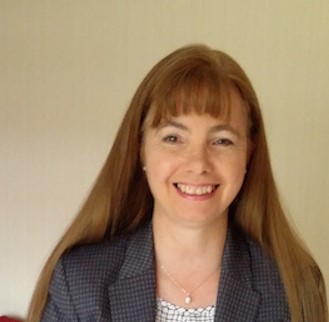
- Written by: Avril McLean — Action for M.E. — Project Worker, Mentor M.E. Peer Support Network
- Published: 19th May 2020

Avril reflects on how COVID-19 has changed the way in which Action for M.E. support people during these challenging times.
Like everyone else’s, my job and everyday world has change dramatically as a result of the impact of Coronavirus. Normally I work on the Mentor M.E. project (this link will take you away from our website), training and supporting volunteer peer mentors and the people they support. Now I am also answering daily phone calls and emails on our new Crisis, Support and Advocacy service (this link will take you away from our website). Through this service we hope to respond to the needs of people living with M.E. during this crisis.
I’ve worked with people with M.E. since 2016 and I am continually impressed by how resilient, informed and constructive they have overwhelmingly been. During the crisis we have been calling our organisation’s members and been very impressed by their organisational skills and planning. They have so much insight and experience to share, with many of them being reluctant experts in living with isolation and uncertainty.
I have learned such a lot while working here and would say that my knowledge of self management has really increased as a result. This is due to listening to people who really need to self manage to have any quality of life.
Many people with M.E. are isolated all the time. This is because they can’t leave their home or sometimes their own bed due to the impact of M.E. Many also face disbelief and misunderstanding around their health condition. People can lose their jobs, family and friends and what they had in their lives before M.E. as a result. Yet, despite that, many have found something else. Some people have volunteered as mentors to support others and some have set up and run support groups and organisations to improve things for those like them.
One of things that has come up frequently in my chats with members, volunteers and mentees is their concern for others, particularly people who might get M.E. as a follow on from being infected with Coronavirus. Many have offered to support any campaign to get more recognition, services and support in place, to offer people with a new diagnosis an appropriate route back to their health and the care and support they need.
This is our and their hope, that people with M.E. can be supported to live their best life and to have the resources they need to manage their health and to stay in contact. So that they too can re-join the world once Coronavirus has lessened rather than remain in lockdown.
Read more about Action for M.E.’s new Crisis, Advocacy and Support service.
End of page.
You may also like:
Dr Anthony McMahon reflects on the importance of the Community Links Worker within his GP surgery - and why it makes all the difference.
Continue readingAs part of our 20 year anniversary, the Integration Team highlight the importance of our Connected Communities series.
Continue readingTo mark ‘What matters to you?’ Day, The ALLIANCE's Barbara Flynn considers the impact of Tommy Whitelaw’s talks for nurses and midwives.
Continue readingThe ALLIANCE’s Humans of Scotland project works to challenge stigma.
Continue readingIn her latest TFN column, our Chief Officer Sara Redmond reflects on post election feelings and Scotland’s future.
Continue readingALLIANCE Chief Officer, Sara Redmond, reflects on our Annual Conference 2026 and how we're turning hope into action.
Continue readingALLIANCE member, Catherine, shares the importance of initiatives like 'What Matters To You?' Day in promoting person centred care.
Continue readingLearn about how the ALLIANCE has championed joined-up, person centred care.
Continue readingDementia Action Week highlighted some great resources and support for people living with dementia and their family, friends, and carers.
Continue readingSteven Mair gives us an insight into his role as a gamer at the Glasgow Children’s Hospital Charity.
Continue readingSince 2009, ALISS has helped people find local health and wellbeing support. Any group, big or small, can add their information.
Continue readingThe new Scottish Government must turn promises into action to improve hospice and palliative care
Continue readingTogether, we can create lasting change for everyone living with Crohn’s or Colitis.
Continue readingFind out more about these digital self management tools and how to get in touch to arrange an information session.
Continue readingOur Chief Officer Sara Redmond addresses recent commentary on the relationship between Government and the Third Sector.
Continue readingCornell explores how we can build an environmental human rights-based culture
Continue readingLouise Coupland, Digital Health and Social Care Programme Manager shares her opinions on the national roll out of MyCare.scot.
Continue readingChris Mackie, Director of Digital, looks back at how ALISS has developed, grown, and innovated over time.
Continue readingCrohn’s and Colitis care in Scotland is at a pivotal moment. Urgent action is needed to tackle delays and poor access to vital services
Continue readingThe ALLIANCE’s Lewis Shaw reflects on the importance of rehabilitation support.
Continue readingIsabella Goldie of Deafblind Scotland reflects on the value of partnership work.
Continue readingFind out more about the inaugural Power of Attorney Day taking place on 22 April 2026.
Continue readingDr Hannah Tweed reflects on 20 years of the Scottish Sensory Hub, the important work they do and why it matters.
Continue readingAs part of our 20 year anniversary, Kerry shares her reflections on how far the ALLIANCE has come, our achievements, and our impact.
Continue readingIn her latest TFN column, our Chief Officer Sara Redmond reflects on 20 years since Scotland moved to put children at the centre of policy.
Continue reading