
Deafblindness and the art of queueing
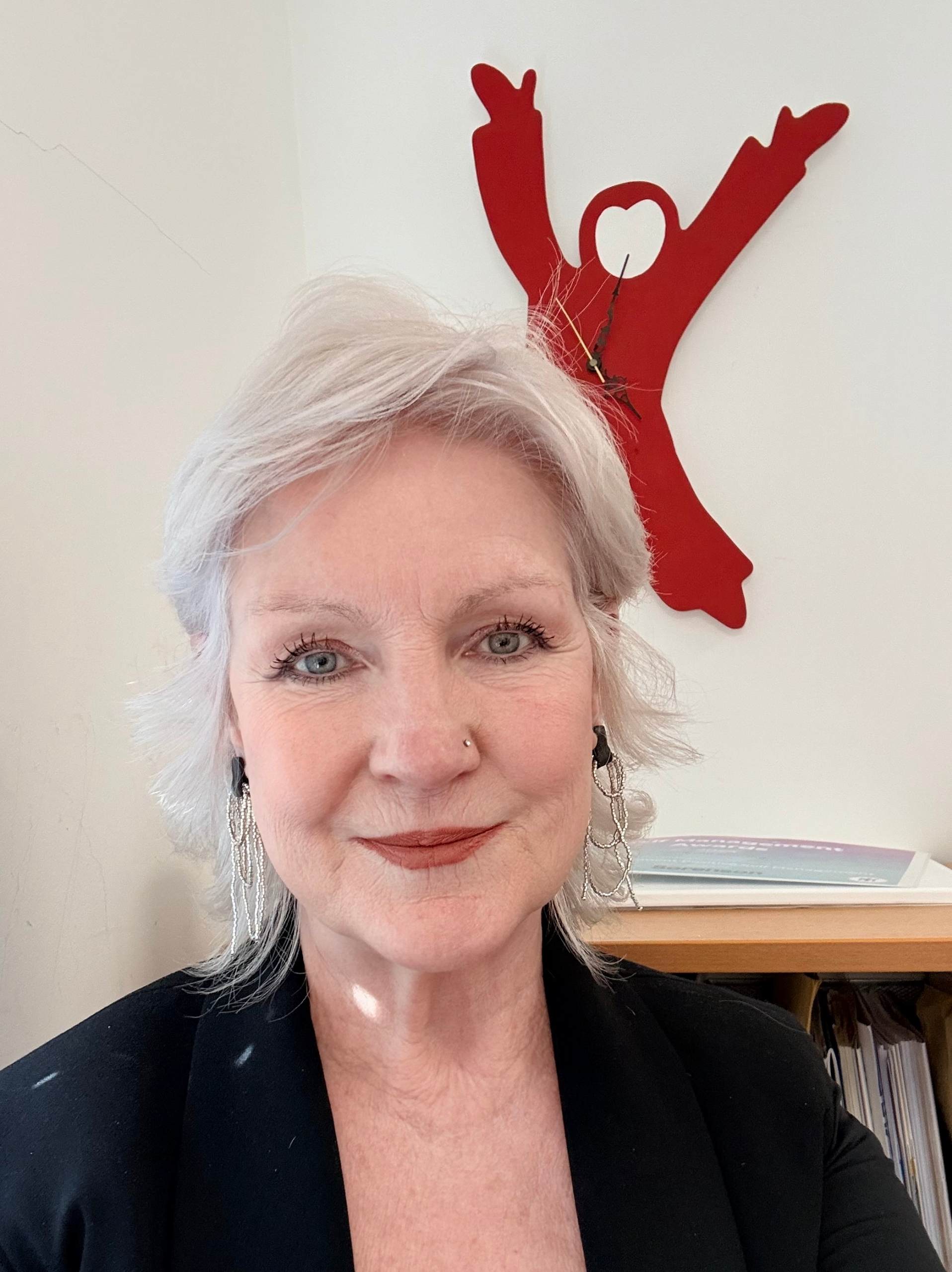
- Written by: Isabella Goldie — Deafblind Scotland — Chief Executive
- Published: 17th April 2026

Isabella Goldie of Deafblind Scotland reflects on the value of partnership work.
This year marks 25 years since Deafblind Scotland became an independent Scottish Charity. Prior to this we were the Scottish Office of Deafblind UK. As we celebrate this moment in our history, it is important to recognise that achievements throughout these years were dependent on the efforts of many who understood and rallied around our cause. From Deafblind people that support others making that same journey into the unknown, to families and carers that support their loved ones to keep as much independence as they can and of course the partner organisations and the public that support our work in many ways. We therefore feel that it is fitting that the theme of our celebration is to be “Independent but not alone.”
This statement has never been truer than over the past three years when with the support of partners in the sector, and importantly the Health and Social Care Alliance (ALLIANCE) Scottish Sensory Hub, we have been able to achieve something we did not think was possible. That is formal recognition in Scotland that Deafblindness is a distinct disability. Support from the ALLIANCE included lots of collegial supportive chats, but more specifically the more formal help and guidance they offered within their role as Secretariat of the Cross-party Group on Deafness. It was in this role that the ALLIANCE asked that we draft a paper for that Parliamentary group, outlining the rationale for recognising Deafblindness as a distinct disability. In this paper, my colleague Andrena McMenemy and I were able to reflect on progress other countries had made on developing care and support pathways for Deafblind people following formal recognition of the condition. This paper was met with much support which allowed us to begin to develop the case for change through a working group of the Cross-party group.
We were fortunate that this group was to be co-chaired by Annabelle Ewing MSP who became a tireless advocate for our cause alongside fellow co-chair Julie Ferguson, who is a Science Teacher living with Usher Syndrome in Orkney. Julie knows well what lack of recognition for Deafblindness means in relation to access to services. Indeed, our wider membership knows this extremely well. Many of them first campaigned to have this recognition 25 years ago at the point when Policy Guidance led to formal recognition of Deafblindness across the rest of the UK.
As a result of our campaign, that saw many members write to their local MSPs and a Ministerial Debate in the Chamber championed by Rona MacKay MSP and supported by cross-party MSPs, we finally gained this recognition in Scotland. Within Deafblind Awareness Week 2025 the United Nations endorsed an International Day of Deafblindness and at the same time following a Parliamentary Question posed by Convenor of the Cross-Party Group on Deafness Colin Beattie MSP, the Minister of Social Care and Mental Wellbeing Tom Arthur formally recognised Deafblindness as a distinct disability, saying:
“The Scottish Government recognises the distinct challenges faced by the deafblind community and we want to ensure that those living with deafblindness in Scotland can access the best possible care and support. We intend to take forward work to adopt the Nordic definition of deafblindness as a functional model in Scotland to help ensure individuals receive the recognition and support, they need”.
The Minister’s response was to be a momentous moment for Deafblind people where for the first time many felt that the full extent and impact of the condition had been recognised. One of our members had previously described her experience as “becoming more invisible over time”. Another member, Issy McGrath, Deafblind Scotland Chairperson, talked about late diagnosis and years of frustration from waiting in “two separate queues” to access hearing and sight loss services.
The work continues this year to develop our own Scottish guidance, showing what a care and support pathway should look like for Deafblind children and adults. To gain the early intervention and full life course approach we will again need a collective effort. I was delighted this month to find that through Government’s Improving Access fund we will now be able to reach out right across the country to Deafblind people to ensure that this guidance leads to realisation of rights and the improvements in diagnosis, assessment and support that matter most to them. We also know that we will have the support of the ALLIANCE throughout. As we now adopt the Nordic definition of Deafblindness in Scotland, it feels like a good moment to pause and acknowledge that we owe so much to all of those who took their time to ensure that voices of a small and very marginalised community could be heard. A good year to remind ourselves that we can be independent but in the words of the ALLIANCE – without going it alone.
End of page.
You may also like:
At the ALLIANCE we believe that accessibility is a gateway to human rights.
Continue readingPromoting rights awareness through accessible information and the voice of lived experience.
Continue reading