
PMDD and Social Security: When severe disorders don’t meet support threshold
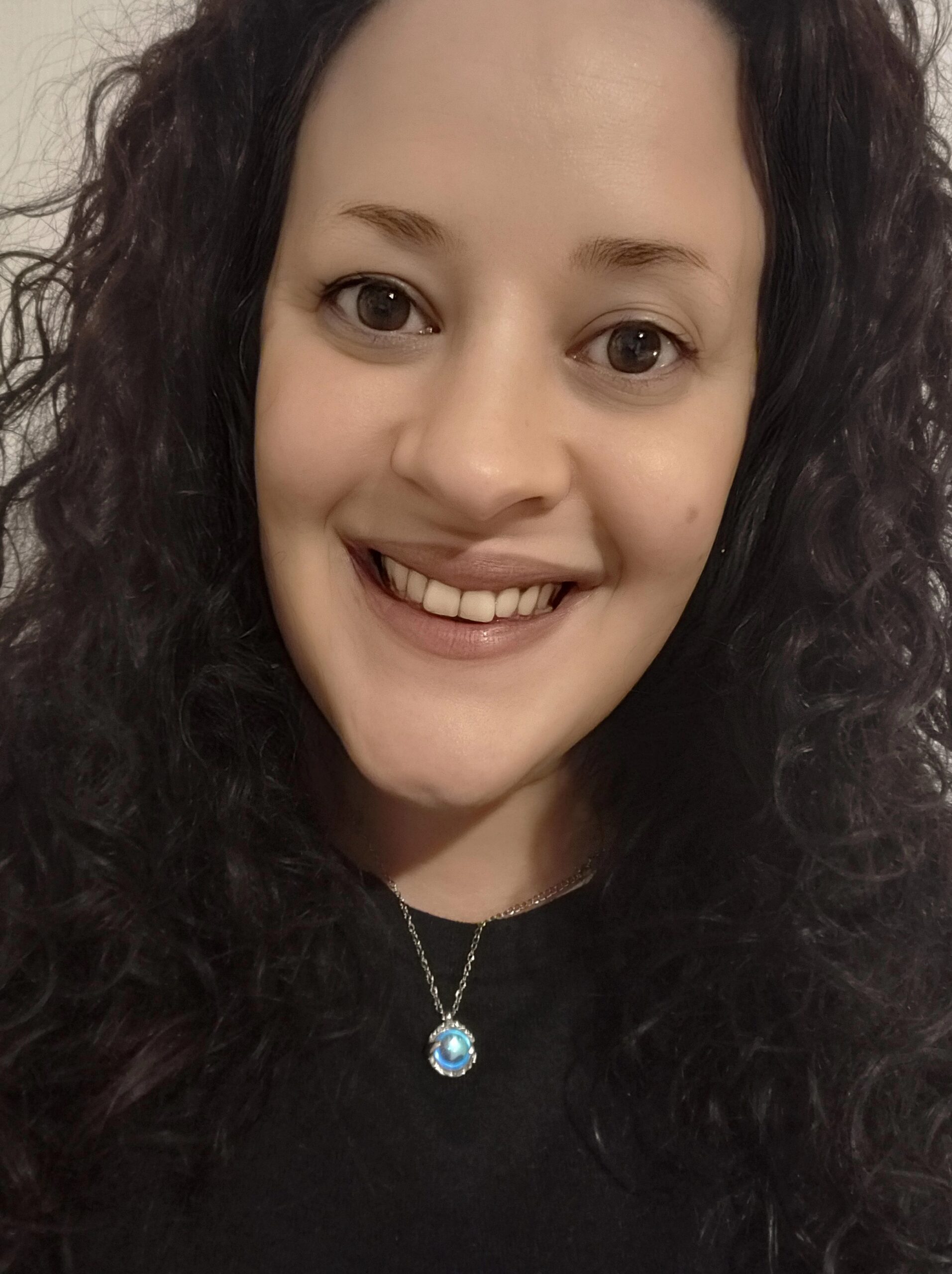
- Written by: Mhairi Campbell — — Lecturer in Law at the University of the West of Scotland and is a lead author of Premenstrual Dysphoric Disorder and the Welfare State: Recommendations for Reform. She leads the teaching on social security law.
- Published: 27th March 2026

Mhairi Campbell reflects on Premenstrual Dysphoric Disorder (PMDD) not being recognised as having a severe impact on life.
Premenstrual Dysphoric Disorder (PMDD) is a severe, cyclical mood disorder. Yet Scotland’s Adult Disability Payment (ADP) struggles to recognise its severe impact on life.
What we heard from people with PMDD:
In our University of the West of Scotland study, people told us they felt traumatised by the application process. Forms, assessments and decision letters failed to capture cyclical disability — the effects of which are profound, impacting on safety, housing, work and relationships. Most didn’t know where to go for support.
Why this matters right now:
ADP is Scotland’s replacement for Personal Independent Payment (PIP) and is meant to reflect the Our Charter values of dignity, fairness and respect. There has been progress but lived experience shows there are still gaps, especially for fluctuating conditions like PMDD. The recent Independent Review of ADP (July 2025) put forward recommendations to reform the system.
Where the system struggles with PMDD:
To qualify for support, an individual must experience difficulties on “more than half the days” over the assessment period. For PMDD, symptoms are often severe for about 1–2 weeks, followed by a recovery period. On paper, this can look like someone is “fine” for most of the month, despite their life being severely disrupted.
A human rights lens:
Scotland is moving toward embedding social and economic rights in practice—aligned with Article 28 of the United Nations Convention on the Rights of Persons with Disabilities (CRPD). For people with PMDD, that means being able to access social security and live with dignity.
What needs to change (practical steps):
- Make the ADP system trauma-informed by default. Staff training and safer wording of decision letters may prevent people being ‘harmed’ by the application process.
- Improve how fluctuating conditions are assessed. Re-think the “50% rule” so that PMDD and other cyclical conditions are recognised properly.
- Get assessment decisions right first time. Work with people who have lived experience, and gather evidence proactively to avoid appeals and ongoing distress.
- Support people to apply. Fund advice services and peer-support networks so no one has to navigate the system alone.
Call to action:
- Policymakers & Social Security Scotland. Act on the Independent Review: —pilot alternatives to the 50% rule for cyclical conditions; co‑design trauma‑informed consultations; publish PMDD‑aware guidance for case managers.
- Third sector & community groups. Provide PMDD‑specific signposting and peer‑led advocacy pathways for the ADP process.
- People with PMDD & supporters. Keep a symptom and recovery diary and seek help early from welfare rights services and peer groups.
Useful links:
- Final report: Premenstrual Dysphoric Disorder and the Welfare State (Zenodo DOI)
- Independent Review of ADP – Final Report
- Our Charter – Social Security Scotland Adult Disability Payment (official)
- Adult Disability Payment (official)
- CRPD Article 28 – United Nations
- PMDD support – IAPMD
- PMDD support – Menstrual Cycle Support
End of page.
You may also like:
Lucy reflects on what’s needed to progress rights in Scotland.
Continue readingCuts to disability payments by the UK government are all the more worrying for lack of information on devolution impacts in Scotland.
Continue readingTo build a positive culture of human rights, everyone needs to know and be aware of their rights.
Continue readingInsecure, poor quality housing is making people ill and fuelling health inequalities in Scotland.
Continue readingDespite the recent concerns over the Scottish Human Rights Bill, the day felt insightful and optimistic.
Continue readingDr Alison Hosie, Scottish Human Rights Commission, explores the 2023 Open Budget Survey and comparable scores produced for Scotland.
Continue readingThe Mental Health Foundation's, Shari McDaid PhD, tells us why challenging poverty stigma is vital for people's mental health.
Continue readingJennifer Forsyth, Policy and Evidence Manager of Obesity Action Scotland, tells us why promotions of HFSS products need regulating now.
Continue readingIt’s been a busy few weeks at Holyrood.
Continue readingWhy it matters to you to participate in the public consultation on 'A draft outline Charter of Rights for People Affected by Substance Use'.
Continue readingLucy highlights some ALLIANCE human rights activity from this year and to mark Human Rights Day 2023.
Continue reading