
Bringing voices together for an ‘Integration Chorus’
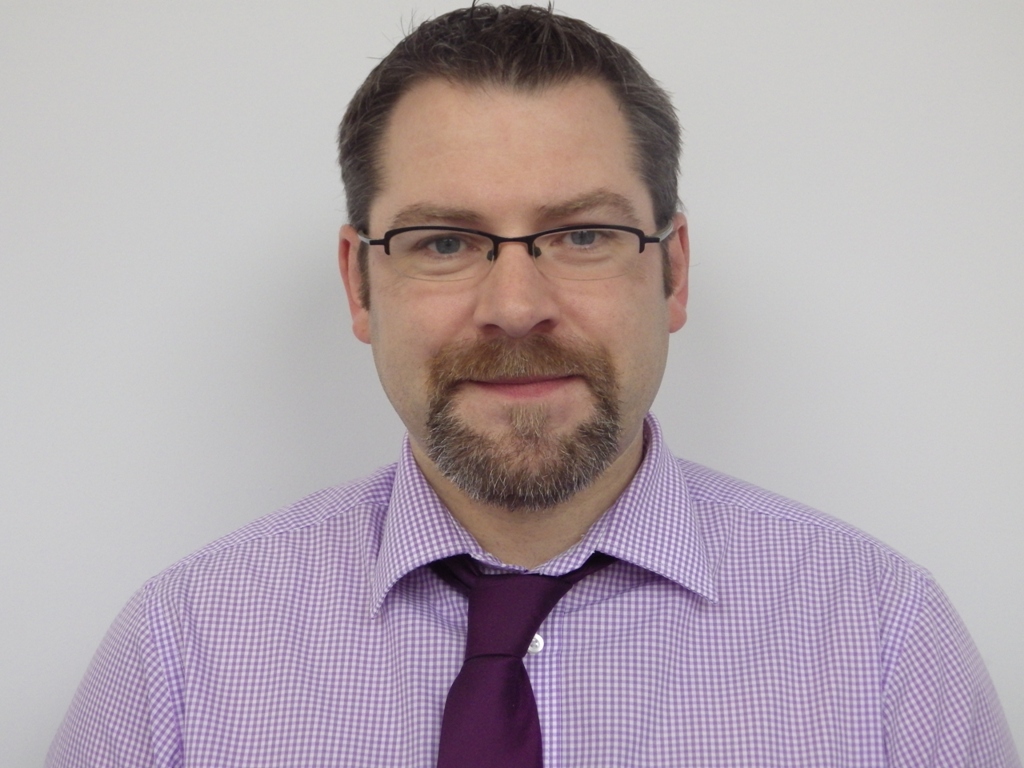
- Written by: Dr Erik Sutherland — East Ayrshire Health and Social Care Partnership — Senior Manager - Planning and Performance
- Published: 17th June 2018
Creating a compelling shared vision is a key factor to supporting the population's wellbeing.
At the time of writing, partners in East Ayrshire are developing the Strategic Plan for 2018-21 – some feelings of déjà vu and much to reflect on.
Purpose is central to strategic planning. A policy coherence around health and social care interdependency has emerged over time and integration has a substantial history, especially since 1997, finding ultimate expression in the Public Bodies (Joint Working) (Scotland) Act 2014.
The 2014 Act requires integration authorities to:
- prepare a strategic plan for delegated functions;
- work to national health and wellbeing outcomes;
- plan and deliver to underpinning integration principles;
- expect that partners will be involved in planning for wellbeing;
- consult with defined partners in developing plans; and
- develop supporting locality arrangements.
The focus is on improving resident wellbeing at individual and population level through prevention and anticipation.
Vision
Strategic planning is often seen as either ‘top-down’ or ‘bottom-up’. It is both. There is a need to identify drivers of change to set strategic direction, while leaving room to engage and adapt.
Creating a compelling shared vision is a key factor. The Strategic Planning Group (SPG) role is fundamental. In East Ayrshire, the SPG developed from the Community Health Partnership Forum and transitioned with minor membership change, preserving continuity. This history of working together is critical to having respectful, honest conversations and openness when considering alternatives.
The SPG is instrumental in developing the long-term perspective of the Health and Social Care Partnership (HSCP) and how partners work together toward this. The shared vision expresses the drive to work with, and be led by, communities to improve wellbeing and promote equity. This vision aligns with the sovereign Community Plan vision of strong, vibrant communities. The Wellbeing lead for the Community Plan sits within the integration authority and involves wider partners.
Values relate to those of the parties to the Integration Scheme and those unique to integration. These speak to integration principles of safety, dignity, respect, seamlessness, and quality – how we support wellbeing.
Needs/Assets
A demonstrable case for change is made through needs assessment, analysis of demographic drivers, poverty-related multiple conditions and constrained resources.
Strong relationships between health and social care, the Third Sector Interface, independent sector, housing, public health, Vibrant Communities, the Health Council, the ALLIANCE, and other partners generate ownership of priorities and actions.
We produce meaningful, accessible, ‘living’ plans. This has resulted in visualisation of needs assessment, infographics and a ‘Plan on a Page’. Our Plan includes workforce, choice and control, technology enabled care and community engagement as key enablers.
Collaborative annual review is a strength of the local approach. The Act requires consideration of the need for a ‘replacement plan’. Review has facilitated horizon scanning and taking stock of positive practice. This has assisted in adapting to change and presenting the Plan alongside an integrated budget.
Engagement
The 2014 Act continues the Christie Commission direction: “public service organisations should increasingly develop and adopt positive approaches which build services around people and communities, their needs, aspirations, capacities and skills, and work to build up their autonomy and resilience”.
Integration principles reflect this. In East Ayrshire, a Participation and Engagement Strategy is in place prepared with the SPG. Public engagement takes place through Big Plan Days, Local Conversations, Localities and Community Action Plans. Engagement across partners and the workforce provides opportunities to discuss the vision and what it means in practice. Energy and vibrancy is brought to engagement through showcasing community talents.
Outcomes Approach
Integration is not solely about achieving policy outcomes, it is about personal outcomes. Integration is about making sure that people live in their own communities and do not spend longer than necessary in hospital or any institutional setting. Fundamentally it is about experiences and outcomes for people – the ‘what matters to you?’ question.
Our framework incorporates health and wellbeing, children and families, and justice outcomes reflecting delegated functions. An outcomes-focused approach runs through the partnership, as demonstrated in the case for change in our first Strategic Plan. This provides ‘before and after’ illustrations of the benefits of integration, developed by members of the SPG. Outcomes form a common language through Getting it Right for Every Child and Talking Points.
Locality Planning
Integration principles require taking account of the needs of different areas. Localities are critical, providing stakeholder and professional ‘voice’, with the expectation of having significant strategic influence. The policy intention is of localities as the ‘engine room of integration’.
Three localities are in place in East Ayrshire covering an average population of 40,000 with natural variation across our town and rural communities. Localities are formed around Multi Member Wards, maintaining the link with Elected Members. Community Planning Partnership and HSCP localities are coterminous. Locality working is based on co-production with localities undertaking needs assessment to identify priorities, mapping community assets and highlighting activity to improve outcomes. Chairs of Locality Planning Groups attend the SPG.
The key is to establish dynamic links between locality and strategic fora. Participatory budgeting is a means to build commitment to Locality Planning.
Performance Reporting
In reporting performance against national outcomes, we work to national guidance on the Integration Indicators while also giving life to performance through case studies of local practice, events, and engagement. Performance reporting includes accessible ‘road map’ and infographic visualisations alongside detailed reporting. We share practice through Pan-Ayrshire work and other networks.
Conclusions
- Our approach to strategic planning is serving us well;
- There are significant challenges arising from the socio-economic and financial context;
- Partners recognise the need to strike the right balance between prevention and early intervention and integrated care and support;
- We would expect to return to the question of how far localities have become the ‘engine room of integration’ in future;
- There are stages in change and continued deepening of integration requires both patience and perseverance; and
- Positive relationships and commitment will be key to transformation over 2018-21.
East Ayrshire Health and Social Care Partnership can be found on Twitter at: @EAHSCP (This link will take you away from our website)
Erik’s Opinion is part of the ALLIANCE’s ‘We Need To Talk About Integration’ anthology which is available at the link below.
End of page.
You may also like:
Sheila Duffy, Chief Executive of ASH Scotland, is appealing for support for proposals to restrict tobacco, vapes and nicotine products.
Continue readingBilly McClean reflects on why SCIC26 offers a vital opportunity to learn together, share what works, and shape the future of integrated care
Continue readingTo mark the ALLIANCE's 20 year anniversary Paul Okroj reflects on the importance of supported self management.
Continue readingTo mark Scottish Learning Disability Week (7 - 13 September), Bruce Adamson reflects on this year's call to action.
Continue readingIn her latest TFN column, our Chief Officer Sara Redmond reflects on the current state of social care in Scotland.
Continue readingKicking off September for the ALLIANCE's 20 year anniversary, Grace reflects on the Self Management Programme
Continue readingSara Redmond, ALLIANCE Chief Officer, on the priorities for 2026's Programme for Government.
Continue readingSandra Auld reflects on the ALLIANCE's people focused impact, collaboration, lived experience, campaigns and lasting change in Scotland.
Continue readingMark shares his experience with gambling harms, and how this intersected with the launch of the ALLIANCE's ScotRGH programme in 2020.
Continue readingProfessor Anna Glasier celebrates 20 years of the ALLIANCE and it's vital role in shaping the Women's Health Plan for Scotland.
Continue readingSara Redmond, ALLIANCE Chief Officer, on the challenges faced by community-led health organisations in delivering prevention.
Continue readingAnnie shares her experience of youth politics, and how SAFE has helped her make connections and makes sense of the world of politics.
Continue readingChloe Craig reflects on how we have helped connect Scotland’s lived experience voice to conversations happening beyond our borders.
Continue readingDr Irene Oldfather reflects on two decades of growth, collaboration, and person centred impact across Scotland and beyond.
Continue readingDisabled people are some of those who suffer most in crises but are ignored in planning. Our 6-step model builds justice throughout.
Continue readingMaisie Peebles shares her experience working with Aberdeenshire Public Health Team on a ‘digital conversations’ project.
Continue readingSara Redmond, ALLIANCE Chief Officer, on why the Scottish Government and parties must seize the opportunity for change.
Continue readingDirector of the Links programme, Roseann, discusses why we need to focus on person centred care, and why the programme is central to this.
Continue readingReflections on the ALLIANCE Integration in Action: Inclusive Leadership event.
Continue readingWhat does The Scottish Report tell us about how we're supporting people with inflammatory mediated autoimmune conditions (IMIDs)?
Continue readingAvril McLean from Action from ME shares new resources designed to support professionals understand the impact of ME on people's lives.
Continue readingMandy Wright from Home Energy Scotland shares how partnerships positively impact their work.
Continue readingToo many young people are falling through the mental health support gap. How do we fix the "Missing Middle"?
Continue readingJoe McCready from Carers UK shares how important their annual survey is, and why it is invaluable for unpaid carers to have their say.
Continue readingColette reflects on the last 12 years of the Community Links Worker programme, as well as her own experience of being a CLW.
Continue reading