
No Life Half Lived: Why Supported Self Management Matters More Than Ever
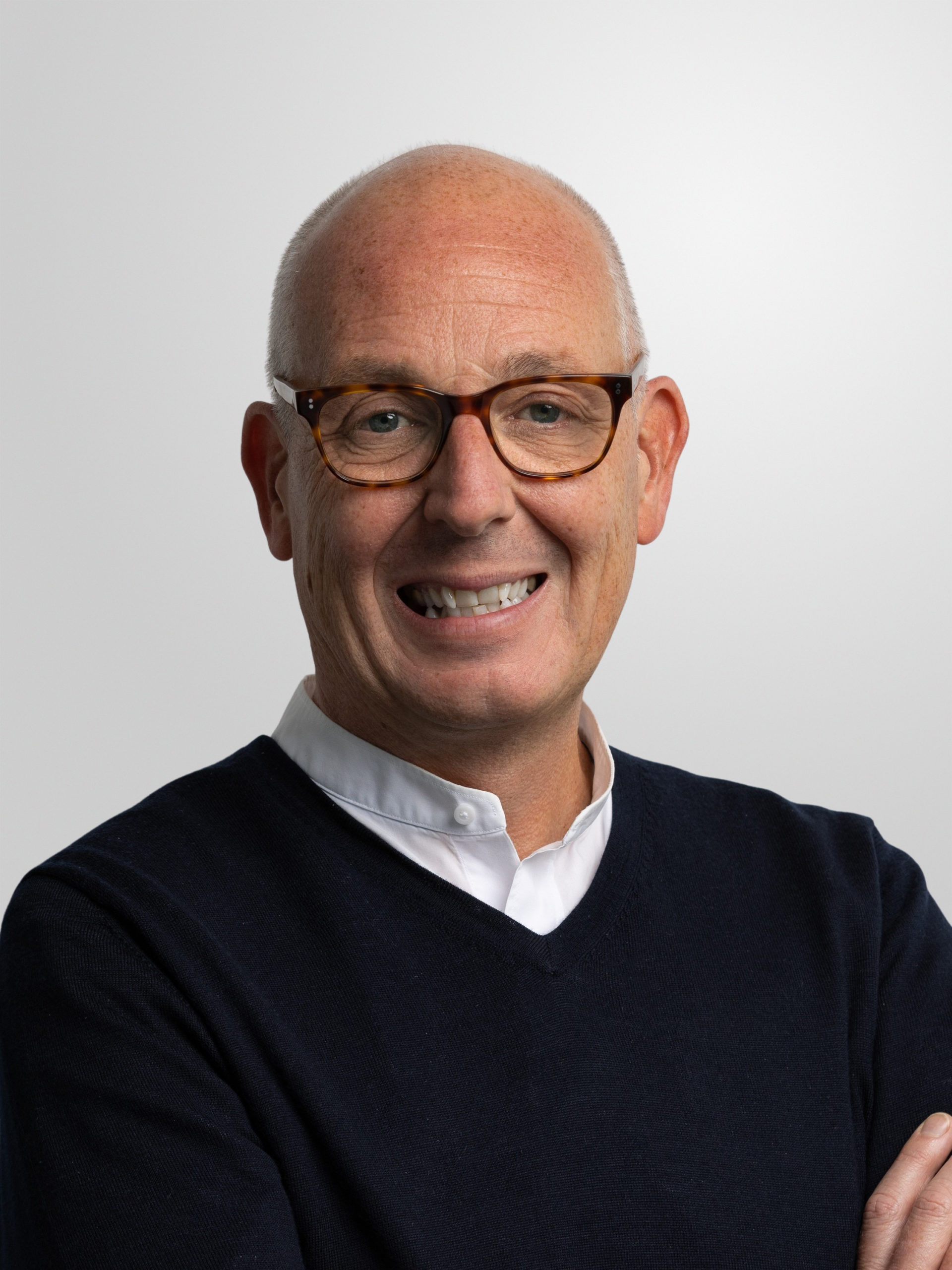
- Written by: Paul Okroj — Chest Heart & Stroke Scotland — Director of External Engagement and Service Development, Chest Heart & Stroke Scotland
- Published: 10th September 2026

To mark the ALLIANCE's 20 year anniversary Paul Okroj reflects on the importance of supported self management.
For dozens of families across Scotland, today will be a day they never forget; 31 people will have a stroke, 41 will be admitted to hospital because of chronic obstructive pulmonary disease (COPD), and 16 will be diagnosed with coronary heart disease. Behind every number is a person, a family, and a future suddenly filled with uncertainty. But the diagnosis and care someone receives in those first days are only the start of the journey.
What happens next – how people rebuild confidence and adapt to new challenges- can have just as much impact on their wellbeing as their clinical care.
People consistently tell us they need more than treatment alone. They want trusted information, meaningful connections and support that helps them achieve what matters most to them.
That’s why supported self management underpins everything we do at Chest Heart & Stroke Scotland (CHSS). Through our Community Healthcare Support Service, we support people to manage their condition, maintain their independence and live well in their communities.
Supported self management is often misunderstood
Supported self management is rooted in ensuring they have the knowledge, skills, confidence and support to play an active role in their wellbeing while remaining connected to services, professionals and their communities.
Simply put: it is your journey, your decisions – but you are never on your own.
At CHSS, we see it as something that should run through the entire health and care journey. By helping people set goals, solve problems and connect with others who understand their experiences, we can empower people to improve their wellbeing and feel more in control of the future. Supported self management is also acts as a vital prevention strategy for Scotland’s communities.
This approach sits at the heart of our No Life Half Lived strategy.
Why it matters now
As Scotland faces increasing pressures across health and social care, supported self management has never been more important.
If we are serious about prevention, reducing inequalities and improving outcomes, we must continue investing in approaches that help people feel connected and empowered.
This cannot be overstated, particularly with the Scottish Government’s growing focus on population health and long term conditions.
Most importantly, it reflects what people actually tell us they need.
The value of investing in people
The ALLIANCE’s Self Management Fund has played an important role in advancing this approach across Scotland.
As a panel member over the last two years, I have had the privilege of seeing firsthand the creativity and innovation that exists across the sector.
Time and again, I have seen how investment in people and communities creates lasting change. The most impactful projects embed lived experience throughout design, delivery and evaluation. The Fund is a vital resource, enabling organisations to turn ambition into action. CHSS has benefited from that support too.
With support from the Fund, we developed our Living Well with Aphasia programme. Adapted from our evidence-based Chronic Disease Self Management programme, originally developed at Stanford University, it was tailored specifically to meet the needs of people with aphasia and communication difficulties. Co-designed with and for those with lived experience, the 12-week programme helps people build the skills, confidence and connections they need to live well with their condition.
As the ALLIANCE marks its 20th anniversary, there is much to celebrate. Among its most significant contributions has been its commitment to supported self management.
The Fund has helped turn that principle into practice for people across Scotland.
As we look ahead, we must all continue backing approaches and design policies that recognise people’s strengths, value lived experience and support people to live well.
Because everyone deserves the opportunity to live life to the full.
End of page.
You may also like:
Kicking off September for the ALLIANCE's 20 year anniversary, Grace reflects on the Self Management Programme
Continue readingFind out more about these digital self management tools and how to get in touch to arrange an information session.
Continue readingLouise Hall from Pain Association Scotland reflects on the event she delivered as part of Self Management Week 2025.
Continue readingSimone Janse van Rensburg reflects on the impact of their Women Living Well event which featured as part of Self Management Week 2025.
Continue readingThe somatic approach, from Louise Davidson, host of the Self Management Week event ‘Calm the Storm: Movement & Breath to Lower Cortisol’.
Continue readingDr Rebekah Ballantyne, a speaker at the Self Management Week 2025 webinar ‘IFIC: What I need to lead’, shares her self management insights.
Continue readingIn this part two of two opinion pieces, Satya Dunning offers us ideas for healthy eating and lifestyle habits during the colder months.
Continue readingIn this part one of two opinion pieces, Satya Dunning reflects on nutrition as part of self management during the colder months.
Continue readingGail Cunningham, a retired GP and Project Manager at LTCH tells us just how much self management has changed her life.
Continue readingSelf Management Network Scotland member Hilda shares self management resources ahead of Self Management Week 2025.
Continue readingJoanne McCoy on the collaborative process of self management and what she needs to lead in the management of her health.
Continue readingALLIANCE Member Danielle tells us what she needs to lead as part of our self management awareness raising campaign for 2025.
Continue readingSelf Management Network Scotland member Caroline Brocklehurst tells us what she needs to take the lead in managing her health.
Continue readingGrace Beaumont looks to the Principles of Self Management as inspiration for this year’s Self Management Week awareness raising activity.
Continue readingNational Stalking Awareness Week 2025, from 21-25 April, will focus on healthcare professionals spotting the signs of stalking.
Continue readingCOPE Scotland have developed a suite of resources to rebuild confidence and self-belief, crucial components of mental wellbeing.
Continue readingHeidi Tweedie, Jane Miller and Dr Patty Lozano-Casal reflect on the need to end mental health stigma and discrimination in healthcare.
Continue readingHilda Campbell shares COPE Scotland's thoughts and ideas for keeping well and improving your wellbeing during the winter months.
Continue readingAs the Self Management Network Scotland reaches 1,000 members, Joanne McCoy, Manager at MySelf-Management reflects on the network's value.
Continue readingCOPE Scotland launch new campaign with resources to support the journey to increased confidence and self-belief.
Continue readingTom shares his journey with self management, since being diagnosed with epilepsy four years ago.
Continue readingAvril McLean from Action for M.E. discusses the challenges for people living with M.E. and the range of self management support they offer.
Continue readingWhy self management is the transformational change needed within our health care services, from the Nursing Transformation Lead at NHSGGC.
Continue readingALLIANCE and Self Management Network Scotland member Caroline Brocklehurst describes her journey since accessing peer support.
Continue readingSelf Management Programme Manager Grace reflects on the fifteenth anniversary of Gaun Yersel, the Self Management Strategy for Scotland.
Continue reading