
Recognising how far we have come, and the road we still have to travel… together
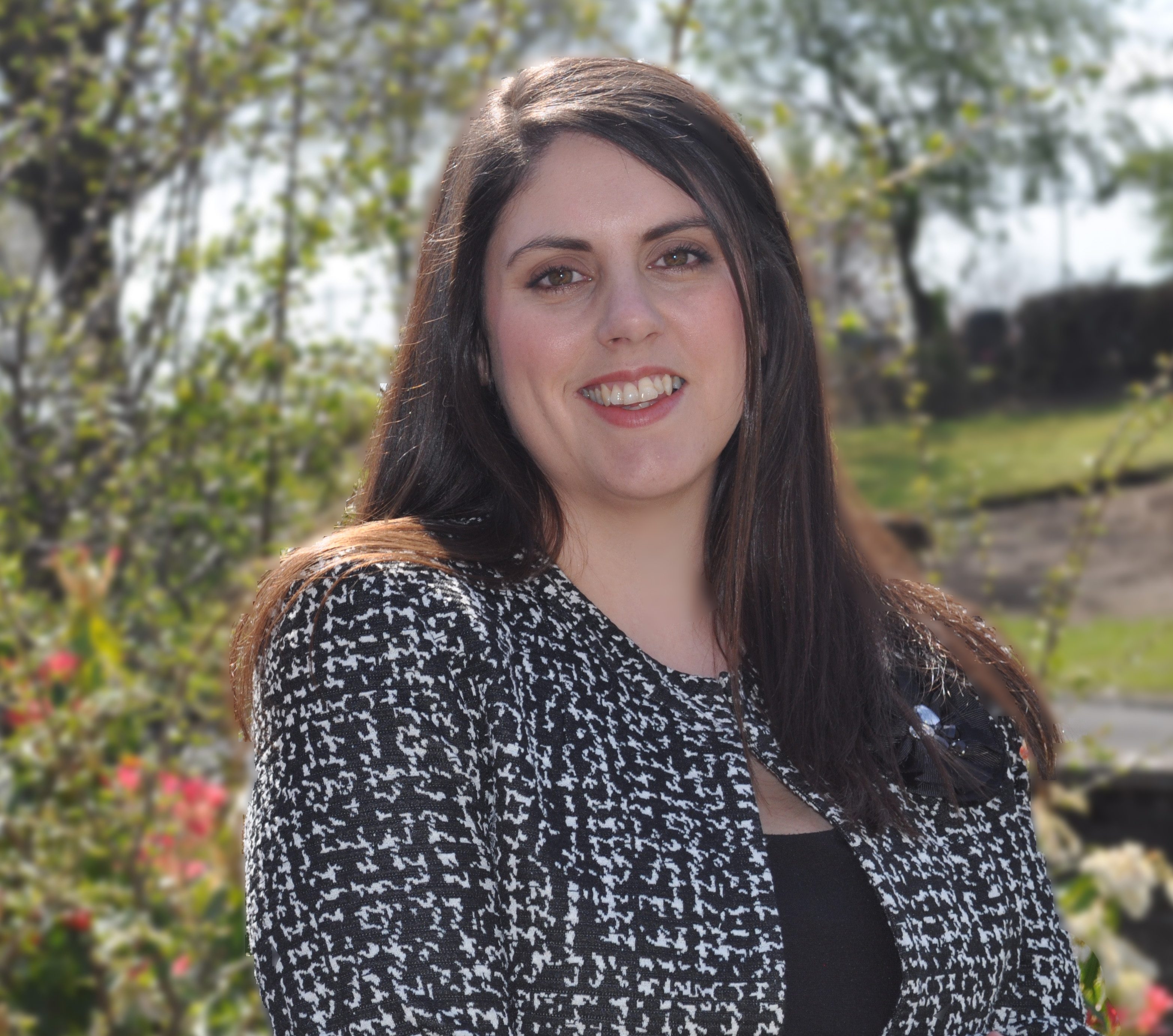
- Written by: Natalie Masterson — Stirlingshire Voluntary Enterprise — Chief Executive
- Published: 17th June 2018
From her position as a Third Sector Representative, Natalie reflects on what's needed to achieve the real potential of integration.
Clackmannanshire and Stirling Health and Social Care Partnership is unique: it is the only partnership that comprises one Health Board – NHS Forth Valley – and two Local Authorities – Stirling Council and Clackmannanshire Council. This makes it at some levels challenging and at other levels one of real opportunity – because if it can work here in central Scotland, where two local authorities experience very different demographics and health profiles (and even with the main acute hospital in another local authority area) then it can certainly herald in a new era of successful health and social care delivery throughout Scotland.
As one of the largest Integration Joint Boards, the very logistics of having so many people in one room can be tricky, but it can also be a huge opportunity. Coming together bi-monthly for the first two years, and now quarterly, has stimulated debate, allowed us to get to know each other better and helped us reflect on difficult issues and overcome cultural barriers, that we would not have known about, had everyone not been at the table.
As one of the Third Sector Representatives for Stirling, I have had the opportunity to listen to and learn about the experiences of our workforce, our technological advances, and our pharmaceutical challenges first hand. Listening and learning has helped me as a Board member and a leader of the third sector in Stirling, to better scrutinise proposals, champion alternatives, co-produced models of delivery and ensure that our collective focus on national outcomes, prevention and early intervention remain at the heart of all decision making.
So, have we as a Partnership succeeded in transforming all care to be outcome focused, proactive, not reactive? No, of course not, it’s only been two years. Health and social care integration is the biggest change in public service since the very creation of the National Health Service in 1945.
Our task is mammoth and complex. Changing workforce cultures and practices that have developed over decades towards patients / clients / carers / families / community. Trying to find collective solutions and carve out investment for prevention and community development from already over-committed budgets. Democratising the design and delivery of health and social care services through co-production. It was never going to happen overnight, or even 730 nights.
We are progressing and learning and thinking in a new way as we do so. Our partnership can certainly celebrate much in terms of that progression already: an easy-read Strategic Plan that cascades the core values of self management and community supports; a new Market Position Statement that recognises the critical importance of community based resources and will start shaping imminent strategic commissioning; and a jointly hosted Health and Social Care Forum which feeds into the decision making structures of the Partnership, giving opportunities for feedback and accountability for the third sector representatives and wider partners.
We are progressing when we open up the Integration Transition Care Fund, through a new small grant scheme managed by the TSIs to award innovation and improved ideas from local third sector organisations across Clackmannanshire and Stirling. This has enabled the highly-regarded Recovery Community based across Forth Valley to build in new opportunities for its widening and recovering participants in Clackmannanshire by holding a bread and baking session prior to its already established Recovery Café. This has proved to create interest, conversation, fun, value, even physical improvement in people who have been in addiction situations over a long period. They will be presenting their produce at a new Farmers’ Market also being set up by the Clacks TSI shortly.
We certainly can be judged to be progressing when we take bold decisions to transform care hand in hand with our communities. The Neighbourhood Care Team is a multi-disciplinary team of district nurses, social workers, re-enablement staff and community workers, that will assess, co-ordinate and deliver health and social care to adults living in the south west rural area of Stirling. Based on the Buurtzorg model, the team will firmly place the client at the centre and will recognise the important role support networks play in enabling people to live safe and well in their community.
The transformation of health and social care is a journey, and we are moving, but where are we going, and what is the role of the third sector interface and the wider third sector? At the moment, most TSIs are involved in integration by sitting as a third sector representative on the IJB or convening a Health and Social Care Forum. As advocates for the third sector, we are gaining inroads in new ways to commission services that extend choice and flexibility. Yet, in my opinion, the role of the TSI is bigger and all together more intangible than this. To truly achieve our aspirations, we must give confidence to the real ‘change-makers’ in our midst: our community befrienders, lunch clubs, neighbourhood groups, and third sector social care providers. We must give them confidence that it’s ok to chap on each other’s doors and start a conversation, confidence that unnecessary barriers will be removed if they want to help others, confidence that outdated and misplaced attitudes on the ‘professionalism’ of our third sector workers will be robustly challenged.
Furthermore, volunteering, or being an active citizen, is a powerful way to get involved and be connected, but we must address the social and economic barriers that exist for people who experience the most deprivation and their barriers to take those steps to become involved. To achieve the real potential of integration, all of us from managers, GPs, nurses, third sector providers and social work practitioners must also work hard to reverse the weakened community bonds and increasing levels of isolation — arguably as keen a factor in ill health and deteriorated quality of life as smoking or drug use.
Investing in communities takes time, and it takes some money, but it is an essential building block in transforming health and social care integration through its next phase of development and transforming it for the better — for the care of our residents, for the value for our public bodies, and for the health of our nation.
Stirlingshire Voluntary Enterprise can be found on Twitter at: @StirVolunteer (this link will take you away from our website).
Natalie’s Opinion is part of the ALLIANCE’s ‘We Need To Talk About Integration’ anthology which is available at the link below.
End of page.
You may also like:
In her latest TFN column, our Chief Officer Sara Redmond highlights the need for courageous leadership to implement effective change.
Continue readingTommy Whitelaw reflects on a 15-year journey from caring for his mum to championing the voices of people affected by dementia.
Continue readingThe ALLIANCE Integration team reflect on the Scotland Conference on Integrated Care (SCIC) 2026.
Continue readingA new pilot project will see a Community Links Worker to be placed in an East End Glasgow high school.
Continue readingMarianne Tyler, Senior Development Officer for our Children and Young People Programme, reflects on 20 years of the ALLIANCE and GIRFEC.
Continue readingA child cannot truly feel safe in a school or community if they do not feel that they belong.
Continue readingFor 20 years, The ALLIANCE has listened to member voices to help protect and improve Scotland's care services.
Continue readingWith the ALISS Customisable Map Tool, organisations can share info about community resources in ways that work for the people they support.
Continue readingIrene Mackintosh, CEO at Mhor Collective shares highlights and hopes for rights in a digital age.
Continue readingIn her latest TFN column, our Chief Officer Sara Redmond reflects on the proposal to collapse Scotland's 14 regional health boards into two.
Continue readingWhen we listen to lived experience, we create better resources, challenge assumptions and help create safer communities for everyone.
Continue readingGozie reflects on supporting citizen engagement, digital inclusion and hopes for the future.
Continue readingDCP member and Project Co-ordinator Esther Misajel shares Pachedu's journey towards digital inclusion.
Continue readingChris Mackie, Director of Digital, reflects on what ALISS has achieved so far this year and shares what is still to come.
Continue readingAt the ALLIANCE and beyond, true and meaningful policy reform means turning people's experiences into lasting action on the ground.
Continue readingGLP-1s can transform health but without adequate wraparound support, weight loss may come at the cost of nutrition, muscle and wellbeing.
Continue readingSheila Duffy, Chief Executive of ASH Scotland, is appealing for support for proposals to restrict tobacco, vapes and nicotine products.
Continue readingBilly McClean reflects on why SCIC26 offers a vital opportunity to learn together, share what works, and shape the future of integrated care
Continue readingTo mark the ALLIANCE's 20 year anniversary Paul Okroj reflects on the importance of supported self management.
Continue readingTo mark Scottish Learning Disability Week (7 - 13 September), Bruce Adamson reflects on this year's call to action.
Continue readingIn her latest TFN column, our Chief Officer Sara Redmond reflects on the current state of social care in Scotland.
Continue readingKicking off September for the ALLIANCE's 20 year anniversary, Grace reflects on the Self Management Programme
Continue readingSara Redmond, ALLIANCE Chief Officer, on the priorities for 2026's Programme for Government.
Continue readingSandra Auld reflects on the ALLIANCE's people focused impact, collaboration, lived experience, campaigns and lasting change in Scotland.
Continue readingMark shares his experience with gambling harms, and how this intersected with the launch of the ALLIANCE's ScotRGH programme in 2020.
Continue reading