
Information update on genomic testing and breast cancer
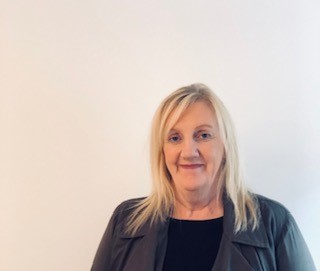
- Written by: Heather Rankine — Genomic Health Ltd — Business Lead Scotland and Northern Ireland
- Published: 22nd October 2019

Heather discusses the availability of genomic testing as part of a treatment pathway for breast cancer in Scotland.
The aim of this discussion piece is to raise awareness of the existence of genomic testing. Genomic testing is available for some people after diagnosis and surgery. This may help you and your clinician make informed decisions about whether chemotherapy treatment should be considered for your specific cancer.
With over 4,700 women and ~30 men diagnosed each year (this link will take you away from our website) and annual incidence rates rising, breast cancer remains high on the Scottish healthcare agenda. Therefore, it is understandable that a continued focus on driving quality and improving outcomes in breast cancer is necessary. Specialist teams across Scotland provide annual quality performance updates and contribute to national cancer audit reports. Information such as improved survival rates and reductions in annual mortality are insights into the emphasis on improvement and give an indication of the complexity of managing breast cancer. The chances of living well after treatment are improving all the time, which means that the longer-term implications for people surviving cancer are becoming better understood. The balance of achieving the best possible outcome for every person whilst avoiding unnecessary long-term complications may be a consideration for the multi-disciplinary team managing your treatment plan.
The need for people to have information that can inform decisions during the planning and delivery of treatment is well recognised. A review of breast cancer services in one health board area earlier this year has led to a national report which has made a number of recommendations (this link will take you away from our website). In relation to public involvement the report highlighted the need for people to have access to the same high level of care and treatment no matter where they live. Crucially, people should also have the same level of involvement in decision making about their care. These recommendations fit well with the Chief Medical Officers’ vision for personalising realistic medicine, the central healthcare strategy for NHS Scotland (this link will take you away from our website).
The rationale for raising awareness at this time is in part due to the inclusion of a new measure for genomic testing published in the most recent quality performance indicator review for breast cancer (this link will take you away from our website). Therefore, your clinician may raise this topic with you at a follow-up appointment.
Currently, there is one test accepted for use in Scotland which was made available for people with ER positive, HER2 negative early breast cancer following an evidence-based evaluation by the Molecular Pathology Evaluation Panel in 2016 (this link will take you away from our website). It is differentiated by the ability to give information on both the possibility of the cancer recurring and of the likely benefit of chemotherapy treatment in addition to endocrine treatment. There are a few genomic tests available, therefore it is important to be aware that these tests differ in what information they can offer so the most appropriate test can be chosen for the individual.
If your healthcare professional discusses a genomic test with you it might be useful to have some questions in mind. Ideally, information should be provided consistently and in a way that is easily understood. It is our intent to develop public information resources led by people affected by cancer.
End of page.
You may also like:
To mark ‘What matters to you?’ Day, The ALLIANCE's Barbara Flynn considers the impact of Tommy Whitelaw’s talks for nurses and midwives.
Continue readingThe ALLIANCE’s Humans of Scotland project works to challenge stigma.
Continue readingIn her latest TFN column, our Chief Officer Sara Redmond reflects on post election feelings and Scotland’s future.
Continue readingALLIANCE Chief Officer, Sara Redmond, reflects on our Annual Conference 2026 and how we're turning hope into action.
Continue readingALLIANCE member, Catherine, shares the importance of initiatives like 'What Matters To You?' Day in promoting person centred care.
Continue readingLearn about how the ALLIANCE has championed joined-up, person centred care.
Continue readingDementia Action Week highlighted some great resources and support for people living with dementia and their family, friends, and carers.
Continue readingSteven Mair gives us an insight into his role as a gamer at the Glasgow Children’s Hospital Charity.
Continue readingSince 2009, ALISS has helped people find local health and wellbeing support. Any group, big or small, can add their information.
Continue readingThe new Scottish Government must turn promises into action to improve hospice and palliative care
Continue readingTogether, we can create lasting change for everyone living with Crohn’s or Colitis.
Continue readingFind out more about these digital self management tools and how to get in touch to arrange an information session.
Continue readingOur Chief Officer Sara Redmond addresses recent commentary on the relationship between Government and the Third Sector.
Continue readingCornell explores how we can build an environmental human rights-based culture
Continue readingLouise Coupland, Digital Health and Social Care Programme Manager shares her opinions on the national roll out of MyCare.scot.
Continue readingChris Mackie, Director of Digital, looks back at how ALISS has developed, grown, and innovated over time.
Continue readingCrohn’s and Colitis care in Scotland is at a pivotal moment. Urgent action is needed to tackle delays and poor access to vital services
Continue readingThe ALLIANCE’s Lewis Shaw reflects on the importance of rehabilitation support.
Continue readingIsabella Goldie of Deafblind Scotland reflects on the value of partnership work.
Continue readingFind out more about the inaugural Power of Attorney Day taking place on 22 April 2026.
Continue readingDr Hannah Tweed reflects on 20 years of the Scottish Sensory Hub, the important work they do and why it matters.
Continue readingAs part of our 20 year anniversary, Kerry shares her reflections on how far the ALLIANCE has come, our achievements, and our impact.
Continue readingIn her latest TFN column, our Chief Officer Sara Redmond reflects on 20 years since Scotland moved to put children at the centre of policy.
Continue readingCancer care in Scotland is at a critical moment. Macmillan is calling for urgent action ahead of the parliamentary elections in May
Continue readingMhairi Campbell reflects on Premenstrual Dysphoric Disorder (PMDD) not being recognised as having a severe impact on life.
Continue reading