
Meet John: real stories of self management
Once you have mastered self management, you can use that knowledge to take a lead in your own health care, accessing support when needed.
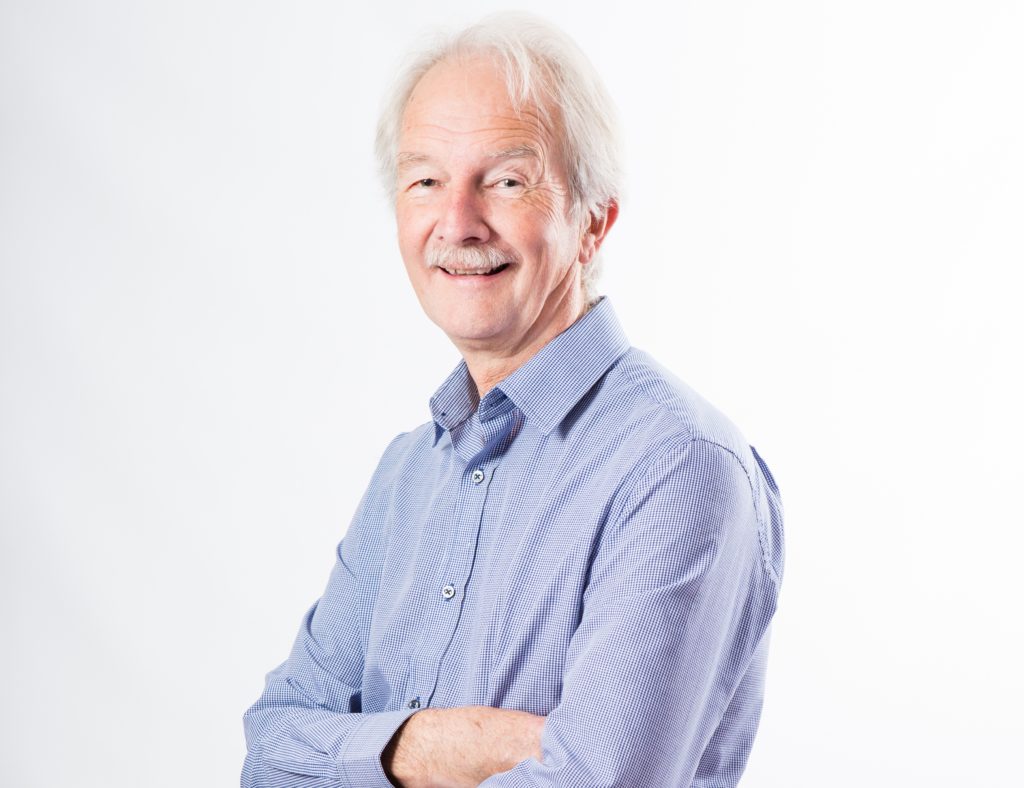
John is 66 years old and lives in Ayrshire. He is a former Pharmaceutical Operator, taking early retirement at the age of 58. He was diagnosed with polycystic kidney disease and is currently living with five per cent kidney function.
Firstly John was detected to have high blood pressure in 2005, a common first indicator of polycystic kidney disease. John was unaware of a family history of kidney failure so was not overly alarmed by the diagnosis.
Polycystic kidney disease can be an overwhelming condition.
At the time of diagnosis John knew very little about kidney failure. However, through the progression of his condition John has become highly knowledgeable aiding him to be an active partner in his care.
As John’s kidneys have decreased in their functioning capabilities, at each stage he has had to adapt his approach to self management to accommodate this and apply new techniques in keeping himself well. Symptoms include tiredness and shortness of breath, however dialysis itself can be draining. At present he needs to participate in monthly blood tests at the hospital to check his current toxin levels which reflect kidney function.
What self management means for John
Self management for John is about working dialysis around my life, not working my life around it.
John spent three months being taught by medics how to deliver home dialysis, including how to set up, operate and clean the equipment. John even orders the machine equipment himself now. Dialysing at home brings increased independence and the flexibility of how to schedule your own sessions. John has to accommodate three sessions a week, and although each lasts four hours, self-management allows John to carry these out in the evening if he is busy throughout the day.
John is a keen walker and enjoys swimming, both of which contribute to keeping him well. Not only is it good for his general health, but he also enjoys the social element of participating in his chosen hobbies.
Self management is about working in partnership with health and social care professionals to manage your health care. John is able to draw on the support of the Renal Nurse if he needs advice or assistance in his care but is “hugely thankful” that home dialysis was an option for him so his life is not restricted by numerous stringent appointments.
John’s message
- Once you have mastered the techniques to self manage, you can use that knowledge to take a lead in your own health care, accessing support from professionals when you need it.
- Home dialysis allows people with kidney failure to regain control over their own lives, offering flexibility, choice and charge over their treatment.
End of page.
You may also like:
“Treating family support as a core part of the service, not an add-on, strengthens outcomes for everyone involved.”
Continue reading"Bringing lived experience into what would usually be a very clinically focused event created lots of opportunity for shared learning."
Continue readingHighlighting real-life stories that demonstrate what GIRFEC can look like in practice.
Continue reading“Working collaboratively has increased the value of what we offer and made our message that much stronger.”
Continue reading"Decisions are made collaboratively, in the best interest of child and family, ensuring clinical safety."
Continue reading"Working in collaboration with local people is the most viable way of ensuring that we are focusing on the outcomes that really matter."
Continue reading"Lingo Flamingo run language learning projects in care homes and day centres to enhance the wellbeing of marginalised adults in care."
Continue readingNicola Cooper, Head of Digital Futures at Scottish Care, taking stock on our 20th Anniversary.
Continue reading“Our integration is built into how we operate, not bolted on as a reporting requirement.”
Continue reading“Set clear goals, communicate openly, stay flexible, and keep learning. Success comes from collaboration and continuous improvement!”
Continue reading"By sharing learning, resources and local knowledge, we aim to grow in a way that is sustainable, flexible & responsive to local priorities"
Continue reading“This project has amplified how important the power of connection is."
Continue reading"This is a unique opportunity to lead Scotland into a new era care model benefitting rural communities and hospital services alike.”
Continue readingLGBT Youth Scotland’s Smash Up experiences of wellbeing in school/college.
Continue reading"Listen first and build services and support around the feedback from the community."
Continue reading“It can be easy to focus on what you can get from a relationship but learning who’s out there and the needs they meet is valuable."
Continue reading“Ultimately, our aim is to empower every young person we work with to achieve their goals and play an active role in their communities."
Continue reading“There is no magic potion in what we do, but we are managing to do it well for the past 30 years.”
Continue reading“We could not do the work we do without the support of other organisations across Glasgow.”
Continue reading“Their mission is to fight food poverty, tackle isolation and discrimination and unite the community through grassroots action.”
Continue readingLouise tells us how Long Term Conditions Hebrides has enabled her to take the lead in managing her health.
Continue reading"When we listen to people, build relationships, and work together across sectors, we can create meaningful, lasting change."
Continue reading"The people who come to the classes have created a community environment....the social aspects are just as important as the exercise."
Continue reading“By collaborating, we can tackle shared challenges, create meaningful solutions, and ensure better outcomes for communities.”
Continue reading“One of the most important lessons we’ve learned is not to assume we know what the community needs”
Continue reading