
“There’s a lack of compassion for those who have the illness of addiction”
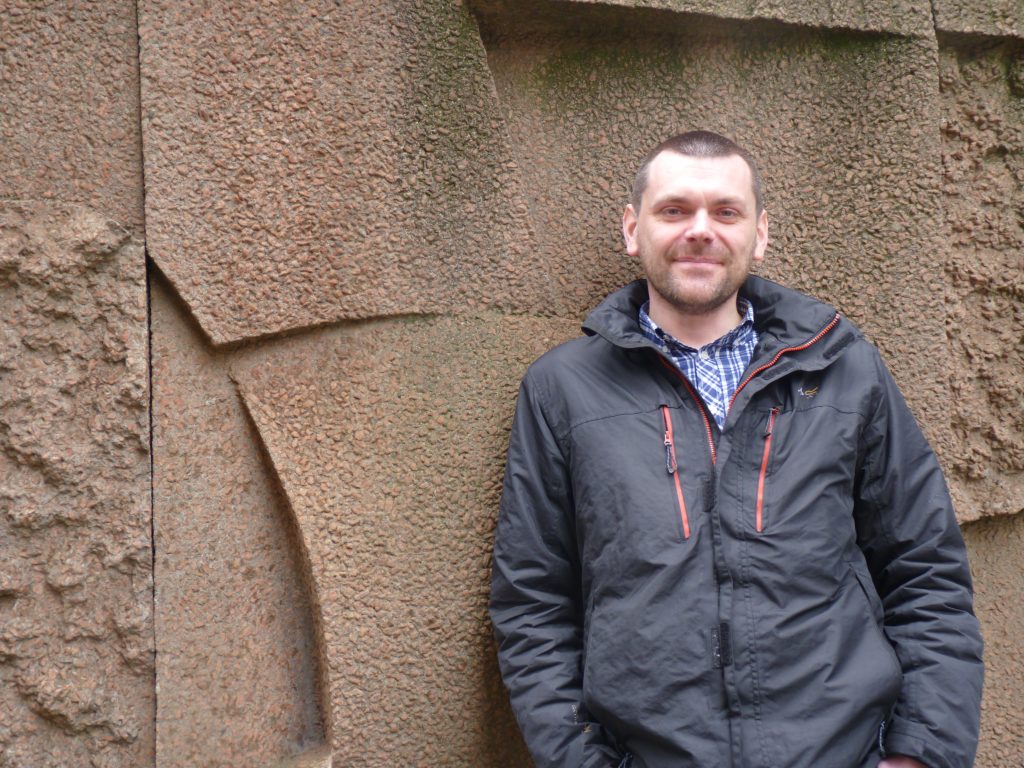
Recovery Practitioner for Penumbra, Dan, talks about Alcohol Related Brain Damage and the stigma that comes with the diagnosis.
“Instantly if someone says they have Alcohol Related Brain Damage they’re revealing the cause of their illness and there’s a lack of compassion for those who have the illness of addiction. People are opening themselves up to the stigma that comes with it.
It’s normally described as ARBD, Alcohol Related Brain Damage. ARBD is a B1 vitamin deficiency caused by chronic alcohol misuse and malnourishment.
People think it’s not worthy of compassion, it’s not worthy of support, ‘it’s your fault, you’ve brought it on yourself’. The general public, well there’s a lack of understanding.
I’m a recovery practitioner for Penumbra in Glasgow. I support people in their homes, in their communities, to live as independently as possible. I enjoy my job, I feel as if it’s worthwhile, I feel as if it’s helping people, supporting.
Personally, I never judge somebody, maybe that comes with experience. I’d like to think most people don’t judge someone because of a diagnosis or because of the way they present.
People can recover. In terms of alcohol dependency people recover by abstaining and living their life in recovery and in terms of ARBD, 25% of people with that diagnosis can make a full recovery – but what does recovery mean?
The people we work with, we know they’ve been through very traumatic events in childhood. To reach the age of 40/50 to have been through all they’ve been through, to now be abstinent and maintaining their tenancies, having a circle of friends, engaging in support, not having any debt – that’s an achievement.
We’re products of our environment. One hundred per cent of the people I support are products of their childhood. They’ve all been exposed to the toxic trio: mental health, addiction and violence and there must be a connection here. No, they’re not to blame. It could be us.”
You can read more Humans of Scotland stories on our website.
End of page.
You may also like:
“Treating family support as a core part of the service, not an add-on, strengthens outcomes for everyone involved.”
Continue reading"Bringing lived experience into what would usually be a very clinically focused event created lots of opportunity for shared learning."
Continue readingHighlighting real-life stories that demonstrate what GIRFEC can look like in practice.
Continue reading“Working collaboratively has increased the value of what we offer and made our message that much stronger.”
Continue reading"Decisions are made collaboratively, in the best interest of child and family, ensuring clinical safety."
Continue reading"Working in collaboration with local people is the most viable way of ensuring that we are focusing on the outcomes that really matter."
Continue reading"Lingo Flamingo run language learning projects in care homes and day centres to enhance the wellbeing of marginalised adults in care."
Continue readingNicola Cooper, Head of Digital Futures at Scottish Care, taking stock on our 20th Anniversary.
Continue reading“Our integration is built into how we operate, not bolted on as a reporting requirement.”
Continue reading“Set clear goals, communicate openly, stay flexible, and keep learning. Success comes from collaboration and continuous improvement!”
Continue reading"By sharing learning, resources and local knowledge, we aim to grow in a way that is sustainable, flexible & responsive to local priorities"
Continue reading“This project has amplified how important the power of connection is."
Continue reading"This is a unique opportunity to lead Scotland into a new era care model benefitting rural communities and hospital services alike.”
Continue readingLGBT Youth Scotland’s Smash Up experiences of wellbeing in school/college.
Continue reading"Listen first and build services and support around the feedback from the community."
Continue reading“It can be easy to focus on what you can get from a relationship but learning who’s out there and the needs they meet is valuable."
Continue reading“Ultimately, our aim is to empower every young person we work with to achieve their goals and play an active role in their communities."
Continue reading“There is no magic potion in what we do, but we are managing to do it well for the past 30 years.”
Continue reading“We could not do the work we do without the support of other organisations across Glasgow.”
Continue reading“Their mission is to fight food poverty, tackle isolation and discrimination and unite the community through grassroots action.”
Continue readingLouise tells us how Long Term Conditions Hebrides has enabled her to take the lead in managing her health.
Continue reading"When we listen to people, build relationships, and work together across sectors, we can create meaningful, lasting change."
Continue reading"The people who come to the classes have created a community environment....the social aspects are just as important as the exercise."
Continue reading“By collaborating, we can tackle shared challenges, create meaningful solutions, and ensure better outcomes for communities.”
Continue reading“One of the most important lessons we’ve learned is not to assume we know what the community needs”
Continue reading