
Involving people meaningfully can help speed up integration
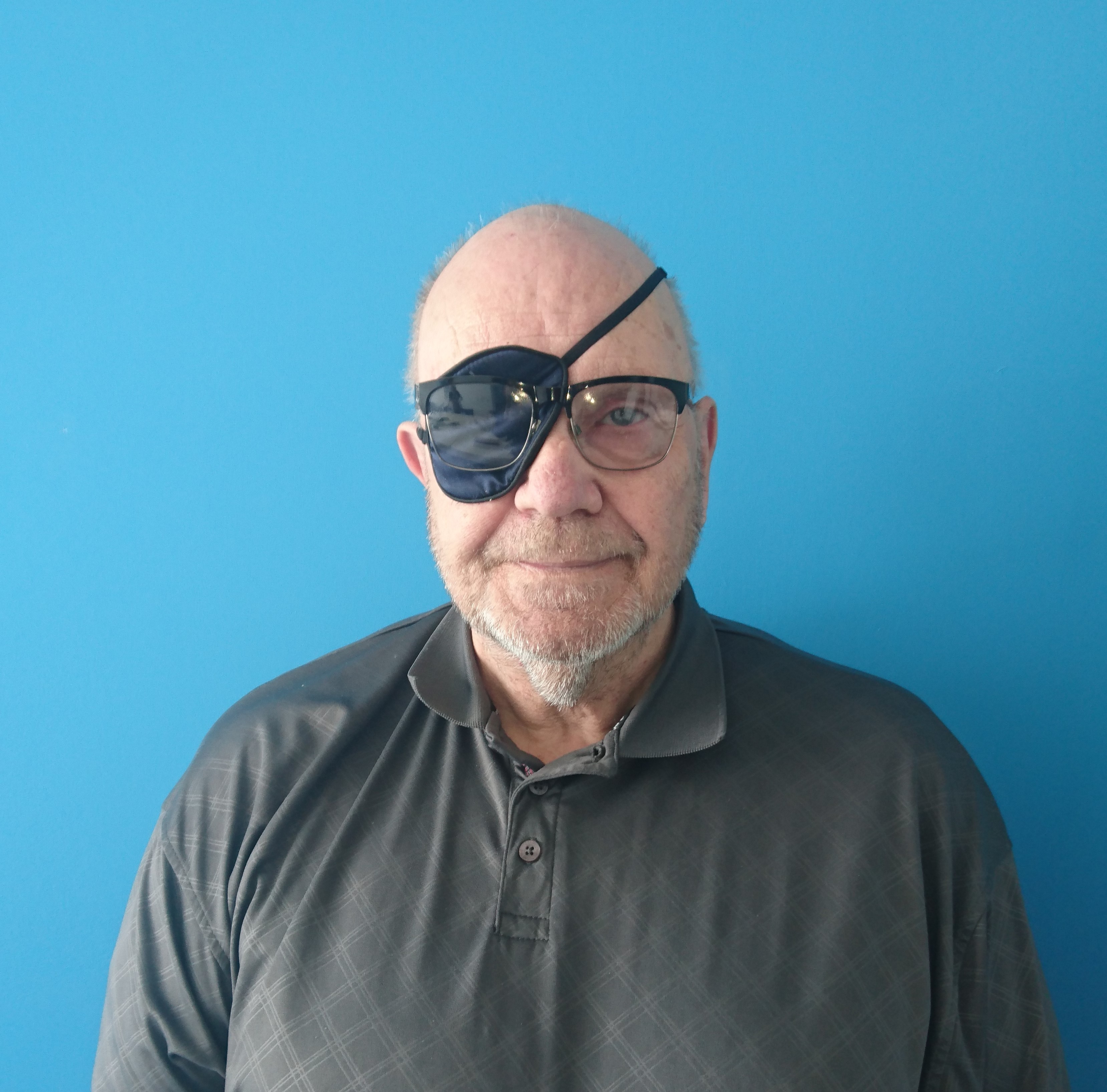
- Written by: Alex Thorburn — Advocate and Community Activist
- Published: 17th June 2018
Health and social care integration is welcome but more effective consultation is needed with people who access health and social care
I am a member of the Health and Social Care Action Group and the Adequate Standard of Living Reference Group of Scotland’s National Action Plan for Human Rights, as well as the Dumfries and Galloway Health and Social Care Integration Strategic Planning Group.
I was involved with integration from the outset, mainly but not exclusively within Dumfries and Galloway.
The structure of the Strategic Planning Group (SPG) and how it was to influence integration within the region was flawed from the beginning.
At the first meeting of the SPG we introduced ourselves – all 45 of us. It was more of a conference than a planning group.
The full group never met again in that format, simply because it was impossible to make decisions with 45 people around the table and allow for input from all the registered participants.
Meetings of the members took place along the lines of the old District Council Boundaries of Annandale and Eskdale, Nithsdale, Stewartry and Wigtownshire and then information was drawn together from each of them to form opinions.
The Third Sector participants quickly identified the main barriers to effective integration as being:
- Structural Empires
- Financial Empires
- Reluctance to change the culture
- Demolishing policies and constructing new ones
- Involvement and engagement with people using both health and social care services
- How to gather the views of, and involve, disadvantaged groups
- Participants using a great deal of their time but little change being effected
- Process being “officer-led”
- Living up to the “hype” about “new ways of working”
- Promises made but never kept, e.g. Thematic Groups
- Lack of meaningful engagement with the real decision-makers
- Different structures in different IJB (Integration Joint Board) areas
- Lack of transparency
- Lack of accountability
- People with lived experience being too far removed from decision-making
- No meaningful feedback to participants – how did their input make a positive difference?
As far as the public were concerned, Health and Social Care Integration in Dumfries and Galloway appeared to be more of an intellectual exercise than anything that would create a positive impact on their lives.
The initial information provided was enthusiastically received by third sector organisations but the public were still quite confused by the proposed changes.
The merging of budgets, two different empires and cultures has proved to be so difficult to attain, mainly due to the numerous barriers mentioned in my earlier bullet points.
The geography of Dumfries and Galloway has not helped with integration of services.
It is approximately 115 miles from Stranraer to Langholm and about 60 miles from Sanquhar to Gretna and within the region there are so many communities with different outlooks and agendas.
For instance, around the north of Nithsdale there are the old coalfield communities and in the far south many people in Gretna relate more to Carlisle and Cumbria than they do Dumfries and Galloway.
It is often said by people living in the far west of the region that it is 75 miles from Stranraer to Dumfries but it is 150 miles from Dumfries to Stranraer. This is a reference to their feeling isolated from decision-making processes undertaken in the capital town of Dumfries.
Historically, Langholm has always regarded itself as a part of the Scottish Borders and often looks to that region for support rather than to Dumfries. It is only approximately 20 miles from Langholm to Hawick but more than double that distance to Dumfries and Galloway’s power-base.
On a more positive note, Health and Social Care Integration within the region of Dumfries and Galloway may eventually prove to be a success but the numerous barriers must first be overcome before the benefits and rewards will become evident.
However, as I anticipated at the beginning of the integration process, the final achievement of the original goals will take much longer than in some areas of Scotland that have a bit more cohesion and a more accommodating geography, where any barriers may be more easily destroyed.
These barriers can only be dismantled quickly with the direct involvement of people who are service recipients. It is they who have lived experience of these barriers and their voice is often either weak or is completely disregarded.
There was an appetite at the beginning of the integration process for people with lived experience to become involved in helping to change the prevailing cultures and working arrangements within both health and social care.
However, as with many projects that find it difficult to attain the original goals set for it, the lack of positive and constructive feedback on how their contribution has made a positive change has resulted in a general apathy amongst many who were so keen at the start of the process.
Dumfries and Galloway Royal Infirmary (DGRI) has now moved to a new site at the Garroch, just west of Dumfries and at a cost of £232 million.
However, there are so many problems with the operation and design of the new hospital that could have been avoided with more of a direct input from prospective users of the new hospital.
Examples of negative issues that now plague DGRI include:
- No mobile phone signal in the wards and this has proved a to be a huge logistical nightmare.
- Parking is totally inadequate and this was obvious from the earliest of planning stages.
- Single rooms throughout will prove to be just as dangerous as many thought it would be – including many of the DGRI staff.
- Simple issues such as the new restaurant/café that is bright and impressive and can seat eighty-seven people, however, not one of those eighty-seven seats has armrests. Who thought that was a good design idea – this is after all a hospital..
The integration of health and social care was long overdue and hopefully the full positive impact that this will have on people’s lives will become more evident in the future but there is still a long way to go.
However, more use of people who use services can help to speed up the process.
Alex’s Opinion is part of the ALLIANCE’s ‘We Need To Talk About Integration’ anthology which is available at the link below.
End of page.
You may also like:
Dr Anthony McMahon reflects on the importance of the Community Links Worker within his GP surgery - and why it makes all the difference.
Continue readingAs part of our 20 year anniversary, the Integration Team highlight the importance of our Connected Communities series.
Continue readingTo mark ‘What matters to you?’ Day, The ALLIANCE's Barbara Flynn considers the impact of Tommy Whitelaw’s talks for nurses and midwives.
Continue readingThe ALLIANCE’s Humans of Scotland project works to challenge stigma.
Continue readingIn her latest TFN column, our Chief Officer Sara Redmond reflects on post election feelings and Scotland’s future.
Continue readingALLIANCE Chief Officer, Sara Redmond, reflects on our Annual Conference 2026 and how we're turning hope into action.
Continue readingALLIANCE member, Catherine, shares the importance of initiatives like 'What Matters To You?' Day in promoting person centred care.
Continue readingLearn about how the ALLIANCE has championed joined-up, person centred care.
Continue readingDementia Action Week highlighted some great resources and support for people living with dementia and their family, friends, and carers.
Continue readingSteven Mair gives us an insight into his role as a gamer at the Glasgow Children’s Hospital Charity.
Continue readingSince 2009, ALISS has helped people find local health and wellbeing support. Any group, big or small, can add their information.
Continue readingThe new Scottish Government must turn promises into action to improve hospice and palliative care
Continue readingTogether, we can create lasting change for everyone living with Crohn’s or Colitis.
Continue readingFind out more about these digital self management tools and how to get in touch to arrange an information session.
Continue readingOur Chief Officer Sara Redmond addresses recent commentary on the relationship between Government and the Third Sector.
Continue readingCornell explores how we can build an environmental human rights-based culture
Continue readingLouise Coupland, Digital Health and Social Care Programme Manager shares her opinions on the national roll out of MyCare.scot.
Continue readingChris Mackie, Director of Digital, looks back at how ALISS has developed, grown, and innovated over time.
Continue readingCrohn’s and Colitis care in Scotland is at a pivotal moment. Urgent action is needed to tackle delays and poor access to vital services
Continue readingThe ALLIANCE’s Lewis Shaw reflects on the importance of rehabilitation support.
Continue readingIsabella Goldie of Deafblind Scotland reflects on the value of partnership work.
Continue readingFind out more about the inaugural Power of Attorney Day taking place on 22 April 2026.
Continue readingDr Hannah Tweed reflects on 20 years of the Scottish Sensory Hub, the important work they do and why it matters.
Continue readingAs part of our 20 year anniversary, Kerry shares her reflections on how far the ALLIANCE has come, our achievements, and our impact.
Continue readingIn her latest TFN column, our Chief Officer Sara Redmond reflects on 20 years since Scotland moved to put children at the centre of policy.
Continue reading