
Singing Together For Dementia
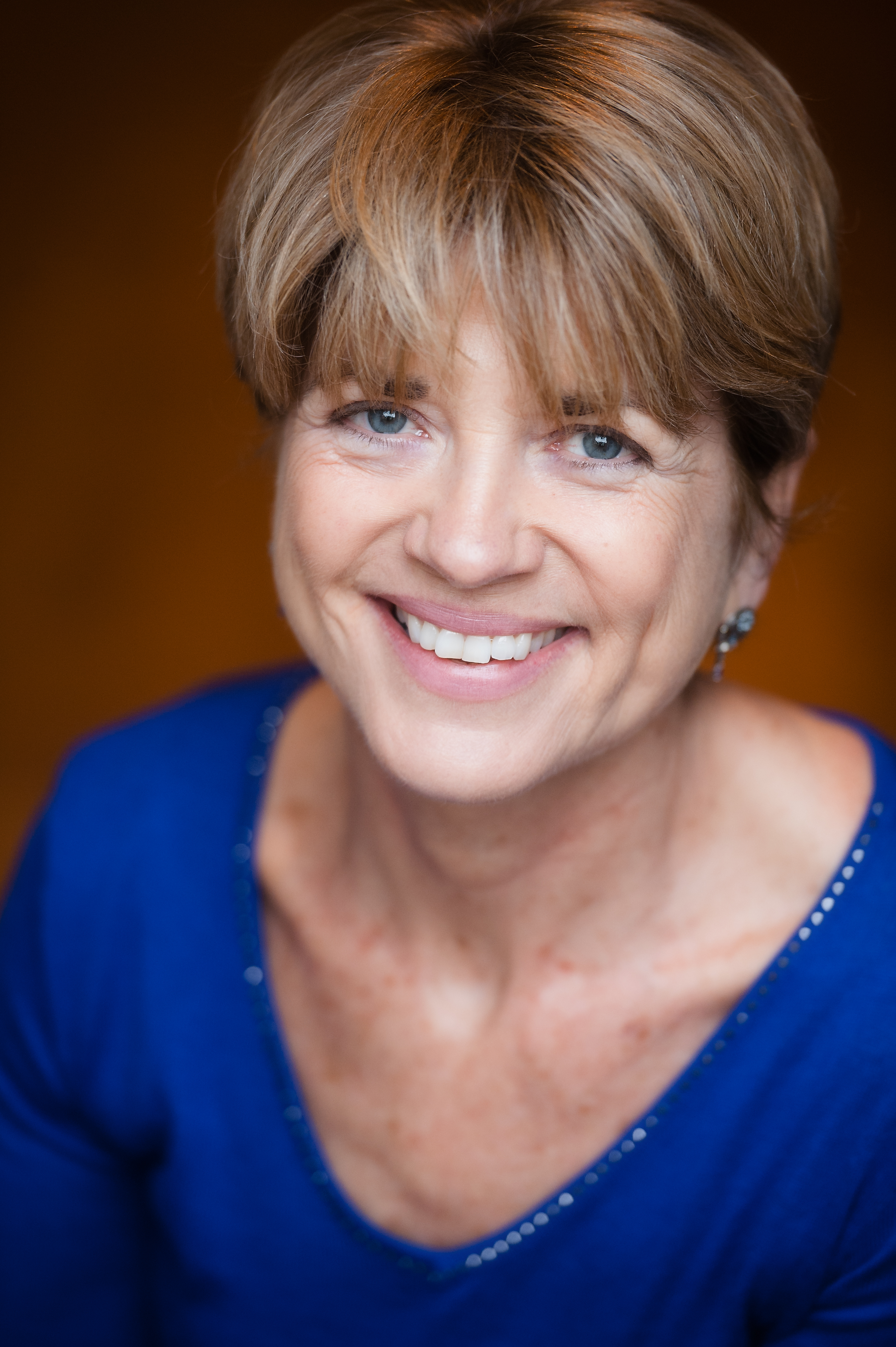
- Written by: Pippa Kelly — Dementia Campaigner, Author, Journalist and Blogger
- Published: 1st February 2019

Pippa calls for better quality arts and music therapy for people living with dementia.
‘The past, which is not recoverable in any other way, is embedded in music as if in amber.’ So said the late neurologist Professor Oliver Sacks (this link will take you away from our website). Personal experience and my dementia work show me he is right.
My mum (pictured above) lived with vascular dementia for the last decade of her life. She died on Christmas Day a few years ago and in her final months seemed barely with us, lying immobile in her nursing home bed, eyes shut, unable to speak or eat for herself.
When, on Christmas Eve I received a call to say she wasn’t well I nearly didn’t go. This had happened so often; I was busy with festive preparations and, anyway, what could I do when I got there, mum seemed beyond reach? But of course I went, and driving from London to Surrey I remembered the BBC’s annual broadcast of the Nine Lessons and Carols from King’s College, Cambridge – one of mum’s favourite things. Ever. We could listen together.
Entering her room, I sat down beside her and switched on the radio. As the chorister’s sweet, solo voice sang the first bars of Once in Royal David’s City, mum opened her eyes. That was all. It wasn’t much. She simply stared at the white painted ceiling. But it was enough – through the music, a connection had been made. It was profoundly moving.
Mum died the following day. I missed her passing by minutes, and I shall be forever grateful for those precious moments we shared (this link will take you away from our website).
Now that I write about people dedicated to enhancing the lives of those with dementia – whether through truly personalised care (this link will take you away from our website), poetry, dance (this link will take you away from our website), reminiscence therapy (this link will take you away from our website) or song (this link will take you away from our website) – I have a better understanding of the powerful impact that meaningful music can have.
So I’m calling for a radio station to reintroduce a version of Singing Together (this link will take you away from our website), a weekly schools radio programme that ran from 1939-99, this time for older people and those with dementia.
At the push of a button anyone – from someone living on their own to neighbourhood groups, to care home residents – could join in. Elderly dads, middle-aged daughters and grandchildren scattered to the four corners of the country would all, through radio, be singing together.
The idea, I hasten to add, wasn’t mine, but that of renowned soprano Lesley Garrett, whose late auntie Joan developed Alzheimer’s. Lesley made her suggestion at the launch of a report by the Commission on Dementia and Music (this link will take you away from our website) which proved, beyond doubt, that listening and singing songs enhances the mood, speech, behavioural and psychological symptoms of those with dementia.
Shockingly, the report also revealed that good quality arts therapy, including music, is available in only 5% of care homes, 70% of whose residents have dementia. Which underlines the need for something such as a Singing Together style radio programme to fill the gap.
But so far the idea has fallen on deaf ears. Despite its obligation, under its public service remit, to engage audiences ‘in activities targeted to achieve specific outcomes that benefit society,’ including the promotion of healthier living, the BBC isn’t interested. My proposal that it trial the idea on local radio also failed to cut any ice with its director general, Lord Hall of Birkenhead.
The head of another national broadcaster, though kind enough to talk to me, was anxious about targeting an age-specific audience. But, as I told him, the programme would bring different generations together, not segregate them.
It’s sad that these media moguls lack the imagination to bring Lesley’s brilliant idea to life, in whatever form works for them. The rising rates, human and financial cost of dementia (now the UK’s leading cause of death) is one of the biggest challenges of our lifetime. Surely someone in the broadcasting industry can take up the baton and make this thing happen.
Pippa Kelly is an award-winning dementia campaigner, author, journalist and blogger (this link will take you away from our website. You can also follow her on Twitter (this link will take you away from our website) and Facebook.
End of page.
You may also like:
Dr Anthony McMahon reflects on the importance of the Community Links Worker within his GP surgery - and why it makes all the difference.
Continue readingAs part of our 20 year anniversary, the Integration Team highlight the importance of our Connected Communities series.
Continue readingTo mark ‘What matters to you?’ Day, The ALLIANCE's Barbara Flynn considers the impact of Tommy Whitelaw’s talks for nurses and midwives.
Continue readingThe ALLIANCE’s Humans of Scotland project works to challenge stigma.
Continue readingIn her latest TFN column, our Chief Officer Sara Redmond reflects on post election feelings and Scotland’s future.
Continue readingALLIANCE Chief Officer, Sara Redmond, reflects on our Annual Conference 2026 and how we're turning hope into action.
Continue readingALLIANCE member, Catherine, shares the importance of initiatives like 'What Matters To You?' Day in promoting person centred care.
Continue readingLearn about how the ALLIANCE has championed joined-up, person centred care.
Continue readingDementia Action Week highlighted some great resources and support for people living with dementia and their family, friends, and carers.
Continue readingSteven Mair gives us an insight into his role as a gamer at the Glasgow Children’s Hospital Charity.
Continue readingSince 2009, ALISS has helped people find local health and wellbeing support. Any group, big or small, can add their information.
Continue readingThe new Scottish Government must turn promises into action to improve hospice and palliative care
Continue readingTogether, we can create lasting change for everyone living with Crohn’s or Colitis.
Continue readingFind out more about these digital self management tools and how to get in touch to arrange an information session.
Continue readingOur Chief Officer Sara Redmond addresses recent commentary on the relationship between Government and the Third Sector.
Continue readingCornell explores how we can build an environmental human rights-based culture
Continue readingLouise Coupland, Digital Health and Social Care Programme Manager shares her opinions on the national roll out of MyCare.scot.
Continue readingChris Mackie, Director of Digital, looks back at how ALISS has developed, grown, and innovated over time.
Continue readingCrohn’s and Colitis care in Scotland is at a pivotal moment. Urgent action is needed to tackle delays and poor access to vital services
Continue readingThe ALLIANCE’s Lewis Shaw reflects on the importance of rehabilitation support.
Continue readingIsabella Goldie of Deafblind Scotland reflects on the value of partnership work.
Continue readingFind out more about the inaugural Power of Attorney Day taking place on 22 April 2026.
Continue readingDr Hannah Tweed reflects on 20 years of the Scottish Sensory Hub, the important work they do and why it matters.
Continue readingAs part of our 20 year anniversary, Kerry shares her reflections on how far the ALLIANCE has come, our achievements, and our impact.
Continue readingIn her latest TFN column, our Chief Officer Sara Redmond reflects on 20 years since Scotland moved to put children at the centre of policy.
Continue reading