
Caring for loved ones goes beyond ‘visiting hours’
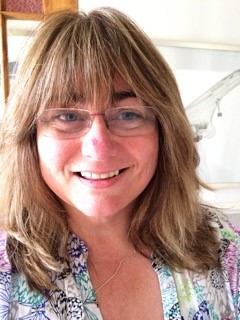
- Written by: Gillian Clelland — Full-time carer
- Published: 14th October 2019

Gillian highlights what it really means to provide full-time care for her mother who is living with dementia.
Every day can be a scary day for your loved one living with dementia but a stay in a hospital is a whole new level of frightening. My name is Gillian Clelland and my mum has severe dementia. My brother and I have cared for mum at home for the last 10 years.
Sadly, my mum fell and broke her hip last year and was taken to the hospital. My sister, brother and I took on shifts roughly: 9am-1pm, 1pm-6pm and 6pm till whenever mum had fallen asleep. The hospital had open visiting but frankly, I believe this should not apply to me because I was and am a part of the care team. The sad reality is that people living with dementia while in hospital need one-to-one care and that is just not always possible in today’s busy wards or today’s busy families.
As a part of my mother’s care team, my brother, sister and I had work to do:
- We were advocates. We had been granted power of attorney by our mum and we were responsible for medical decisions.
- We were a rehabilitation management team. We wanted to know her prognosis and what to do to help her get well. As a result of research, we feared that hip fractures in the elderly, with the complication of dementia are often a death sentence.
- We were cannula protectors, distracting mum whenever she was intent on pulling it out.
- We were her call bell. Mum no longer knew what that button was for or how to use it despite nurses thinking that she should.
- We were menu selectors. We chose food she liked, bringing in extra as need be. We fed her when she could not feed herself.
- We were fluid monitors, bringing drinks she liked and encouraging her to sip frequently.
- We were pee and poo assistants as sometimes mum would whisper she needed to go and just as importantly we asked for the bed pan to be taken away in good time. Knowing her intake, we could prompt mum accordingly to minimise accidents.
- We were spectacle and false teeth guardians, knowing where they were at all times and ensuring she wore both whenever needed.
- We were tissue and wipe dispensers, saving sheets and sleeves from snot and nurses from small spillages.
- We were medication double checkers. One night when the nurse did not have enough of a tablet, I implored her to fetch more. Missing even one dose of some regular medications can have an obvious impact on an individual living with dementia. And when you are trying to work out if signals are as result of pain or post op delirium, you really don’t want to be changing everything else from the ‘norm’.
- We were medication coaches. In hospital, individuals have the right to refuse medication. But mum wasn’t refusing medication – she thought she was being asked to eat little stones. We requested liquid medication wherever possible and grounded down others between spoons. We patiently tried, sometimes for hours to ensure mum swallowed tablets when no alternative was available.
- We were daily nightie washers, ensuring a continuous supply.
- We were entertainers. We played the Playlist for Life music she liked, played dominos and shuffled cards.
- We were mum’s reassurance. We sat quietly holding her hand providing the constant comfort she needed in a frightening and unfamiliar world.
Not everyone has family that can roster themselves like this and until the healthcare sector embrace the real need present, there is a continuing risk of poor outcomes for individuals living with dementia. The Government too must recognise that carers still actively care for their charges when in hospital and bear additional costs of travelling. Carers allowance should not be stopped in circumstances where carers continue to care.
Over one year on, mum can now walk with a little assistance. She is not in pain. Despite her challenges, she is still smiling, thriving as best she can living with dementia.
End of page.
You may also like:
Steven Mair gives us an insight into his role as a gamer at the Glasgow Children’s Hospital Charity.
Continue readingSince 2009, ALISS has helped people find local health and wellbeing support. Any group, big or small, can add their information.
Continue readingThe new Scottish Government must turn promises into action to improve hospice and palliative care
Continue readingTogether, we can create lasting change for everyone living with Crohn’s or Colitis.
Continue readingFind out more about these digital self management tools and how to get in touch to arrange an information session.
Continue readingOur Chief Officer Sara Redmond addresses recent commentary on the relationship between Government and the Third Sector.
Continue readingCornell explores how we can build an environmental human rights-based culture
Continue readingLouise Coupland, Digital Health and Social Care Programme Manager shares her opinions on the national roll out of MyCare.scot.
Continue readingChris Mackie, Director of Digital, looks back at how ALISS has developed, grown, and innovated over time.
Continue readingCrohn’s and Colitis care in Scotland is at a pivotal moment. Urgent action is needed to tackle delays and poor access to vital services
Continue readingThe ALLIANCE’s Lewis Shaw reflects on the importance of rehabilitation support.
Continue readingIsabella Goldie of Deafblind Scotland reflects on the value of partnership work.
Continue readingFind out more about the inaugural Power of Attorney Day taking place on 22 April 2026.
Continue readingDr Hannah Tweed reflects on 20 years of the Scottish Sensory Hub, the important work they do and why it matters.
Continue readingAs part of our 20 year anniversary, Kerry shares her reflections on how far the ALLIANCE has come, our achievements, and our impact.
Continue readingIn her latest TFN column, our Chief Officer Sara Redmond reflects on 20 years since Scotland moved to put children at the centre of policy.
Continue readingCancer care in Scotland is at a critical moment. Macmillan is calling for urgent action ahead of the parliamentary elections in May
Continue readingMhairi Campbell reflects on Premenstrual Dysphoric Disorder (PMDD) not being recognised as having a severe impact on life.
Continue readingLucy Mulvagh shares how she used the Centre for Public Policy Practice Fellowship to examine prevention and its barriers to implementation
Continue readingLaura from Perth and Kinross HSCP shares how we can celebrate World Social Work Day through the lens of 'What Matters To You?'.
Continue readingReflections on the Children (Withdrawal from Religious Education) Bill
Continue readingLouise Hall from Pain Association Scotland reflects on the event she delivered as part of Self Management Week 2025.
Continue readingAct Now for Autistic Rights calls for a transformative Bill for autistic and neurodiverse communities
Continue readingIn the next decade, the role of digital in health and social care must embed our digital human rights principles to reduce inequalities.
Continue readingRead some reflections from ALLIANCE colleagues, who had the opportunity to sponsor and attend Scotland's Annual Human Rights Conference.
Continue reading