
What are the barriers to disabled people accessing local leisure facilities?
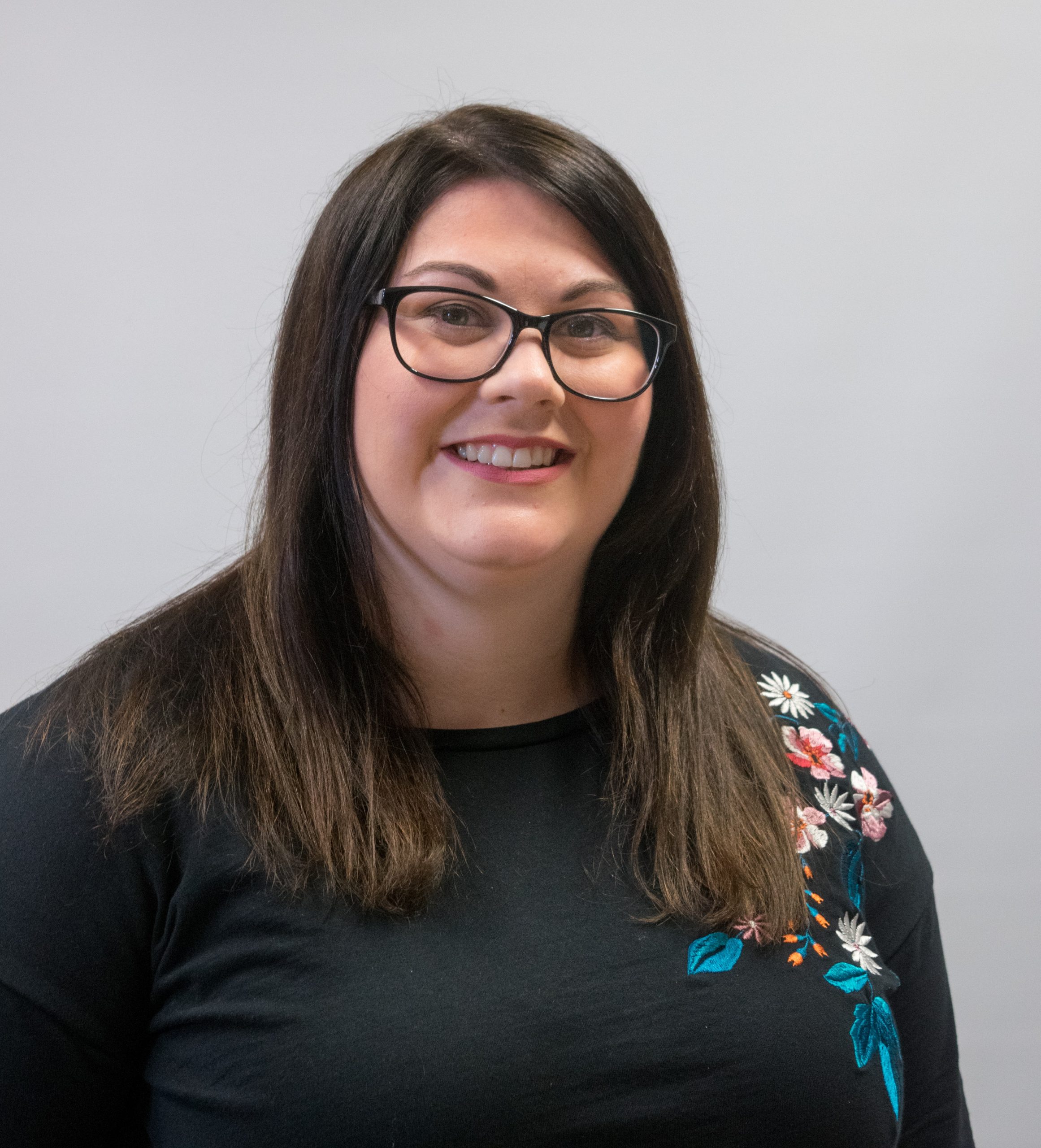
- Written by: Heather Armstrong — Multiple Sclerosis (MS) Society Scotland — Campaigns Co-ordinator
- Published: 3rd December 2019

Heather introduces the MS Society's new campaign to equalise access to leisure facilities.
Social prescribing of exercise has become more and more popular over the last decade. It’s prescribed to help people with a variety of health conditions, including multiple sclerosis (MS) and mental health conditions, to manage their symptoms and improve their quality of life.
How exercise can help people living with MS?
Research has shown that regular exercise can help with the symptoms of MS. That’s why in August 2017 we launched our Active Together project at MS Society Scotland, funded by an Adult Community Care Grant from the Scottish Government. We trialled three different approaches to enabling people living with MS to be more physically active, to find out which was the most effective.
173 people took part in the project. After it finished an independent evaluation of participants was undertaken. 73% of people who responded indicated that they were determined to do more physical activity. They also expressed improvements in self-belief, such as feeling more positive about their future. This was because they could retain capabilities they previously believed they might not be able to because of their condition.
A further 66% of participants indicated that the physical activity provided was very important or extremely important to their wellbeing. Our research also suggested participants were more likely to sustain activity which catered to their specific needs as someone living with MS. Academic research also supports the use of exercise in managing symptoms in MS and other long–term conditions.
The cost of exercise can be a barrier
But we have a problem. What do people living with health conditions do when their prescriptions are over and they have to pay full memberships to the gym or club they have been benefitting from?
Each local authority area in Scotland has leisure facilities either ran by the local authority or by a leisure trust. Each has their own membership scheme, some of which benefit those with disabilities and health conditions. Others have room for improvement.
While the majority of the leisure trusts provide concessionary memberships to those with disabilities, there is a huge gap in information on their websites about how people can access these concessions. We had to undertake a significant amount of research to find out what concessions were available, where, and who can access them.
We found that 3 leisure trusts did not offer any sort of concessionary memberships to disabled people. And of all the trusts that do offer concessionary memberships; there is one that does not accept Personal Independence Payment (PIP) to obtain concessionary membership.
People with MS are pushing for change
We have been working over the last year to convince Live Active Leisure, the leisure trust in Perth & Kinross, to accept PIP as a valid benefit for concessionary membership. We were approached by a member of the MS community who had been prescribed a 12 week exercise programme by their GP. At the end of the programme, after feeling the benefit of exercise, they wanted to become a member to continue using the gym at Live Active Leisure but were unable to afford membership at full cost. When they asked about getting a concessionary membership as they were in receipt of PIP they were told Live Active Leisure did not accept PIP for concession as it is not ‘means-tested’.
We have had ongoing conversations with Live Active Leisure about the issue, which included us suggesting an alternative of offering the Over 65 price. But at present concessionary memberships are still not available to those on PIP. We know they are currently doing a review of their services, and we have started a petition and are writing to local councillors to try and influence the review. We hope they will make a change to the policy on concessionary memberships.
Support our campaign for equal access
There is a lot more work to be done across the country to equalise access to leisure facilities for disabled people but we hope that Perth & Kinross is a good place to start.
Please get in touch to support the campaign or sign our online petition (this link will take you away from our website).
Contact Heather via scotlandcampaigns@mssociety.org.uk or by calling 0131 335 4057.
End of page.
You may also like:
Steven Mair gives us an insight into his role as a gamer at the Glasgow Children’s Hospital Charity.
Continue readingSince 2009, ALISS has helped people find local health and wellbeing support. Any group, big or small, can add their information.
Continue readingThe new Scottish Government must turn promises into action to improve hospice and palliative care
Continue readingTogether, we can create lasting change for everyone living with Crohn’s or Colitis.
Continue readingFind out more about these digital self management tools and how to get in touch to arrange an information session.
Continue readingOur Chief Officer Sara Redmond addresses recent commentary on the relationship between Government and the Third Sector.
Continue readingCornell explores how we can build an environmental human rights-based culture
Continue readingLouise Coupland, Digital Health and Social Care Programme Manager shares her opinions on the national roll out of MyCare.scot.
Continue readingChris Mackie, Director of Digital, looks back at how ALISS has developed, grown, and innovated over time.
Continue readingCrohn’s and Colitis care in Scotland is at a pivotal moment. Urgent action is needed to tackle delays and poor access to vital services
Continue readingThe ALLIANCE’s Lewis Shaw reflects on the importance of rehabilitation support.
Continue readingIsabella Goldie of Deafblind Scotland reflects on the value of partnership work.
Continue readingFind out more about the inaugural Power of Attorney Day taking place on 22 April 2026.
Continue readingDr Hannah Tweed reflects on 20 years of the Scottish Sensory Hub, the important work they do and why it matters.
Continue readingAs part of our 20 year anniversary, Kerry shares her reflections on how far the ALLIANCE has come, our achievements, and our impact.
Continue readingIn her latest TFN column, our Chief Officer Sara Redmond reflects on 20 years since Scotland moved to put children at the centre of policy.
Continue readingCancer care in Scotland is at a critical moment. Macmillan is calling for urgent action ahead of the parliamentary elections in May
Continue readingMhairi Campbell reflects on Premenstrual Dysphoric Disorder (PMDD) not being recognised as having a severe impact on life.
Continue readingLucy Mulvagh shares how she used the Centre for Public Policy Practice Fellowship to examine prevention and its barriers to implementation
Continue readingLaura from Perth and Kinross HSCP shares how we can celebrate World Social Work Day through the lens of 'What Matters To You?'.
Continue readingReflections on the Children (Withdrawal from Religious Education) Bill
Continue readingLouise Hall from Pain Association Scotland reflects on the event she delivered as part of Self Management Week 2025.
Continue readingAct Now for Autistic Rights calls for a transformative Bill for autistic and neurodiverse communities
Continue readingIn the next decade, the role of digital in health and social care must embed our digital human rights principles to reduce inequalities.
Continue readingRead some reflections from ALLIANCE colleagues, who had the opportunity to sponsor and attend Scotland's Annual Human Rights Conference.
Continue reading