
Reducing stigma around mental health
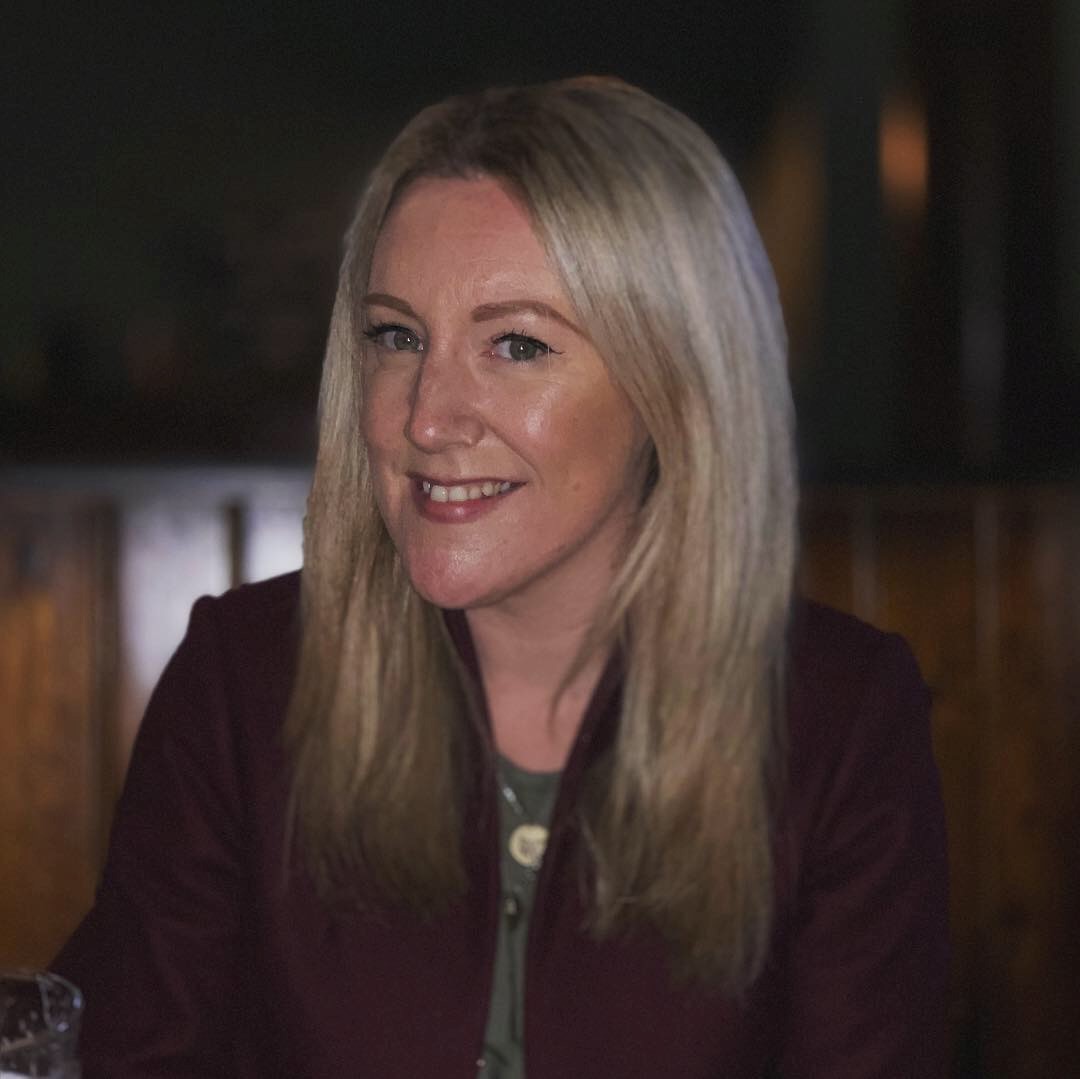
- Written by: Michelle Stebbings — Gambling with Lives — Head of Outreach and Engagement
- Published: 16th June 2021

Michelle from Gambling with Lives, shares her thoughts on the ALLIANCE Annual Conference session Reducing stigma, emphasising humanity.
At the ALLIANCE Annual Conference last week we heard from a number of guest speakers on the topic of stigma in relation to mental health. Importantly, the focus was on what could be done to reduce this stigma and help people access the help and support they need.
As a professional who has worked in outreach and engagement for a number of national charities over a number of years, I have considered stigma in this way before; how can we bring down the very real barriers that prevent people from reaching out?
At Gambling with Lives we support families who’ve been bereaved by gambling-related suicide. Research has found that 4 to 11 percent of suicides are related to gambling, the equivalent of up to 650 deaths a year in the UK. Our aim is to raise awareness amongst gamblers, their families and friends, and health professionals of the dangerous effects of gambling on mental health and the high suicide risk.
From a suicide prevention point of view, the message is clear: as a society we must learn to talk about mental health, ask about suicide, encourage normalisation and think about how we talk about suicide. But that’s only a tiny part of the problem. We heard from Tommy Kelly and Martin Paterson who have both lived through mental health crises. In both cases there was a void where appropriate and timely intervention should have been. A desire to help but a lack of genuine empathy and appropriate skills prevented Martin and Tommy from getting the right help at the right time.
What was asked of us to consider was why suicide rates are not reducing and people living with mental health conditions are dying younger despite all the efforts of the last 20 years. Perhaps because a piece of the puzzle is still missing? Quite possibly. Reducing stigma, it was said, must therefore go further than addressing cultural attitudes and include a public health approach – a more representative workforce, health leadership that is committed to inclusion, and policy change.
Martin who is now in recovery from a lengthy gambling addiction spoke of his shame and guilt, which challenged us to think about self-stigma. To reduce this, at Gambling with Lives we challenge the “responsible gambling” narrative popular with the gambling industry that puts all the emphasis on the individual. We help people to realise they have also been the victim of dangerous gambling products, predatory practices from gambling firms as well as relentless advertising.
Poignantly, Tommy told us that while stigma exists, mental health does not discriminate and so we all have a vested interest in normalising mental health and creating safety for those in need of help and support.
It is possible to recover. We see this in Tommy and Martin, and we are not without ideas. My three take-aways are:
- Cultural and attitudinal change is needed
- Development of a more empathic response among treatment providers that values the inclusion of lived experience is vital
- Ideas work better when added together than they do in isolation
Gambling with Lives was set up by the families and friends of young people who had taken their own lives as a direct result of gambling. The charity’s research indicates there are between 250 and 650 gambling related suicides every year in the UK: a minimum of one every working day. You can find out more on Gambling with Lives’ website (this link will take you away from our website).
Gambling with Lives offers a range of specialist support services for families bereaved by gambling related suicide. If your family has been affected please make contact at info@gamblingwithlives.org (this link will take you away from our website).
End of page.
You may also like:
Dr Anthony McMahon reflects on the importance of the Community Links Worker within his GP surgery - and why it makes all the difference.
Continue readingAs part of our 20 year anniversary, the Integration Team highlight the importance of our Connected Communities series.
Continue readingTo mark ‘What matters to you?’ Day, The ALLIANCE's Barbara Flynn considers the impact of Tommy Whitelaw’s talks for nurses and midwives.
Continue readingThe ALLIANCE’s Humans of Scotland project works to challenge stigma.
Continue readingIn her latest TFN column, our Chief Officer Sara Redmond reflects on post election feelings and Scotland’s future.
Continue readingALLIANCE Chief Officer, Sara Redmond, reflects on our Annual Conference 2026 and how we're turning hope into action.
Continue readingALLIANCE member, Catherine, shares the importance of initiatives like 'What Matters To You?' Day in promoting person centred care.
Continue readingLearn about how the ALLIANCE has championed joined-up, person centred care.
Continue readingDementia Action Week highlighted some great resources and support for people living with dementia and their family, friends, and carers.
Continue readingSteven Mair gives us an insight into his role as a gamer at the Glasgow Children’s Hospital Charity.
Continue readingSince 2009, ALISS has helped people find local health and wellbeing support. Any group, big or small, can add their information.
Continue readingThe new Scottish Government must turn promises into action to improve hospice and palliative care
Continue readingTogether, we can create lasting change for everyone living with Crohn’s or Colitis.
Continue readingFind out more about these digital self management tools and how to get in touch to arrange an information session.
Continue readingOur Chief Officer Sara Redmond addresses recent commentary on the relationship between Government and the Third Sector.
Continue readingCornell explores how we can build an environmental human rights-based culture
Continue readingLouise Coupland, Digital Health and Social Care Programme Manager shares her opinions on the national roll out of MyCare.scot.
Continue readingChris Mackie, Director of Digital, looks back at how ALISS has developed, grown, and innovated over time.
Continue readingCrohn’s and Colitis care in Scotland is at a pivotal moment. Urgent action is needed to tackle delays and poor access to vital services
Continue readingThe ALLIANCE’s Lewis Shaw reflects on the importance of rehabilitation support.
Continue readingIsabella Goldie of Deafblind Scotland reflects on the value of partnership work.
Continue readingFind out more about the inaugural Power of Attorney Day taking place on 22 April 2026.
Continue readingDr Hannah Tweed reflects on 20 years of the Scottish Sensory Hub, the important work they do and why it matters.
Continue readingAs part of our 20 year anniversary, Kerry shares her reflections on how far the ALLIANCE has come, our achievements, and our impact.
Continue readingIn her latest TFN column, our Chief Officer Sara Redmond reflects on 20 years since Scotland moved to put children at the centre of policy.
Continue reading