
Future of Social Care – Getting it right for children and families?
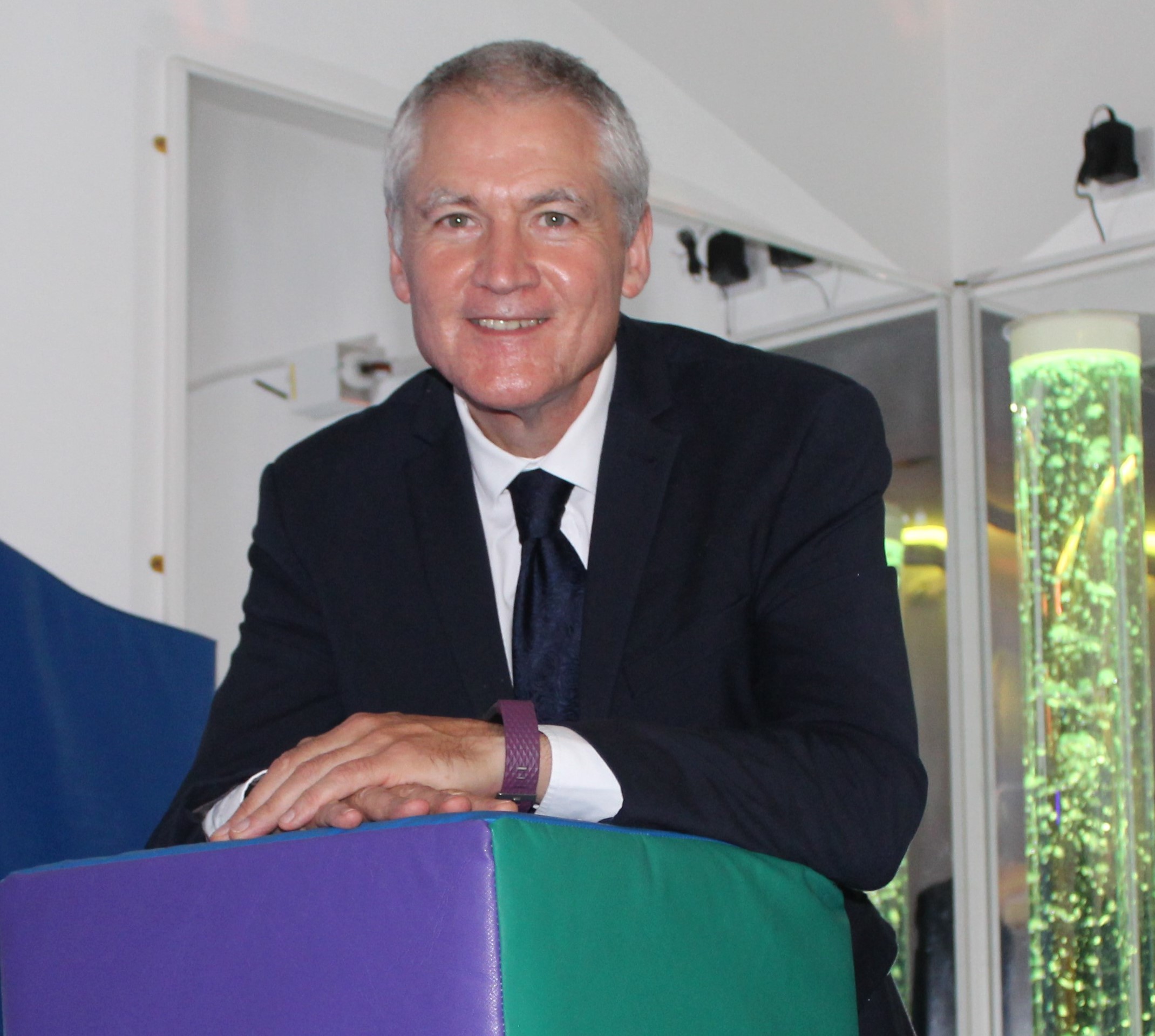
- Written by: Robert Fraser — The Scottish Centre for Children with Motor Impairments — Chief Executive Officer
- Published: 26th October 2021

Robert Fraser former Scottish Government Getting It Right For Every Child Advisor reflects on Getting it right for children and families.
So, the National Care Service (NCS) for Scotland should include children’s social work and social care services. A change to a standardised national approach from the locally nuanced approach offered by the current models of integrated children’s services. Currently, less than a third of local authorities have delegated children’s social work services to Integrated Joint Boards (IJBs); most have aligned these with education services. This raises some questions; what are the anticipated affects and effects of this change on the established network of services to support children and families and, more importantly, will this change improve holistic outcomes for children affected by disability and/or children and families overall? In general, organisational change has a negative impact on performance in the short term, so what is the anticipated recovery time, and will the pain be worth the gain? Simply, will this help children, young people and their families to receive the right help, at the right time, from the right people?
The consultation document lacks detail on what evidence the recommendation is based on. Unlike adult social care, there was no overarching review of children’s social care services that informed this proposal. Children’s social services across Scotland face continued challenges, such as providing equitable and accessible support for children with intensive and/or complex needs; providing high quality support for those at the edge of, in care or after care; and managing transitions including particularly to adult services. But is the NCS the answer? What alternatives were considered? The proposal suggests that this organisational model is to “ensure a more cohesive integration of health, social work, and social care”. Even if this model did “ensure” more cohesive integration of health, social work, and social care for children and families the question remains; would it improve holistic outcomes for children and families?
For the vast majority of children, local nurseries and schools provide the greatest continuity of support and most frequent contact, this is the same for the majority of looked after children. Of the 45,000 children’s social care workers in day care or residential care quoted in the consultation, more than 60% were employed as our early years workforce in nurseries. It could be argued that the greatest opportunity for preventative, early and sustained support lies in these interactions. What education needs is responsive and agile partners. In line with the principles and values of the Getting It Right For Every Child approach, the drive has been for locality contextual, responsive, person centred and person led planning, organisation and delivery of services. This recognised the unique nature of each child, in each family in their community. Is there is a risk that an unintended consequence of national commissioning, workforce planning, and service planning could negatively impact on local relationships, models of practice, service delivery and ultimately outcomes for children and families? We need to understand these risks and either eliminate them, reduce them, or mitigate against them.
Adult social care faces what many view as extreme challenges in the next decade; with improved survival of young adults with social care needs and/or chronic health conditions; increasing numbers of working age adults with disability; and an increasing number of older people surviving longer requiring more intensive social care and healthcare. This increasing demand is likely to be exacerbated by increasing real terms costs year on year and a reducing labour market. So where will the strategic focus be for the NCS?
In conclusion, I suppose I am unclear if including children’s social care services in a National Care Service will deliver on the ambition for a fairer Scotland, where every child and family receives the right help, at the right time, from the right people. Should we have faith in our courageous leaders and move forward boldly supporting a national, more cohesive health and social care service for children and families, or should we be cautious and wait for a whole systems, holistic review of children’s services to provide the evidence to inform the organisation structure that will get it right for every child?
End of page.
You may also like:
As part of our 20 year anniversary, the Integration Team highlight the importance of our Connected Communities series.
Continue readingTo mark ‘What matters to you?’ Day, The ALLIANCE's Barbara Flynn considers the impact of Tommy Whitelaw’s talks for nurses and midwives.
Continue readingThe ALLIANCE’s Humans of Scotland project works to challenge stigma.
Continue readingIn her latest TFN column, our Chief Officer Sara Redmond reflects on post election feelings and Scotland’s future.
Continue readingALLIANCE Chief Officer, Sara Redmond, reflects on our Annual Conference 2026 and how we're turning hope into action.
Continue readingALLIANCE member, Catherine, shares the importance of initiatives like 'What Matters To You?' Day in promoting person centred care.
Continue readingLearn about how the ALLIANCE has championed joined-up, person centred care.
Continue readingDementia Action Week highlighted some great resources and support for people living with dementia and their family, friends, and carers.
Continue readingSteven Mair gives us an insight into his role as a gamer at the Glasgow Children’s Hospital Charity.
Continue readingSince 2009, ALISS has helped people find local health and wellbeing support. Any group, big or small, can add their information.
Continue readingThe new Scottish Government must turn promises into action to improve hospice and palliative care
Continue readingTogether, we can create lasting change for everyone living with Crohn’s or Colitis.
Continue readingFind out more about these digital self management tools and how to get in touch to arrange an information session.
Continue readingOur Chief Officer Sara Redmond addresses recent commentary on the relationship between Government and the Third Sector.
Continue readingCornell explores how we can build an environmental human rights-based culture
Continue readingLouise Coupland, Digital Health and Social Care Programme Manager shares her opinions on the national roll out of MyCare.scot.
Continue readingChris Mackie, Director of Digital, looks back at how ALISS has developed, grown, and innovated over time.
Continue readingCrohn’s and Colitis care in Scotland is at a pivotal moment. Urgent action is needed to tackle delays and poor access to vital services
Continue readingThe ALLIANCE’s Lewis Shaw reflects on the importance of rehabilitation support.
Continue readingIsabella Goldie of Deafblind Scotland reflects on the value of partnership work.
Continue readingFind out more about the inaugural Power of Attorney Day taking place on 22 April 2026.
Continue readingDr Hannah Tweed reflects on 20 years of the Scottish Sensory Hub, the important work they do and why it matters.
Continue readingAs part of our 20 year anniversary, Kerry shares her reflections on how far the ALLIANCE has come, our achievements, and our impact.
Continue readingIn her latest TFN column, our Chief Officer Sara Redmond reflects on 20 years since Scotland moved to put children at the centre of policy.
Continue readingCancer care in Scotland is at a critical moment. Macmillan is calling for urgent action ahead of the parliamentary elections in May
Continue reading