
Progressive Stroke Pathway: a new vision for stroke in Scotland
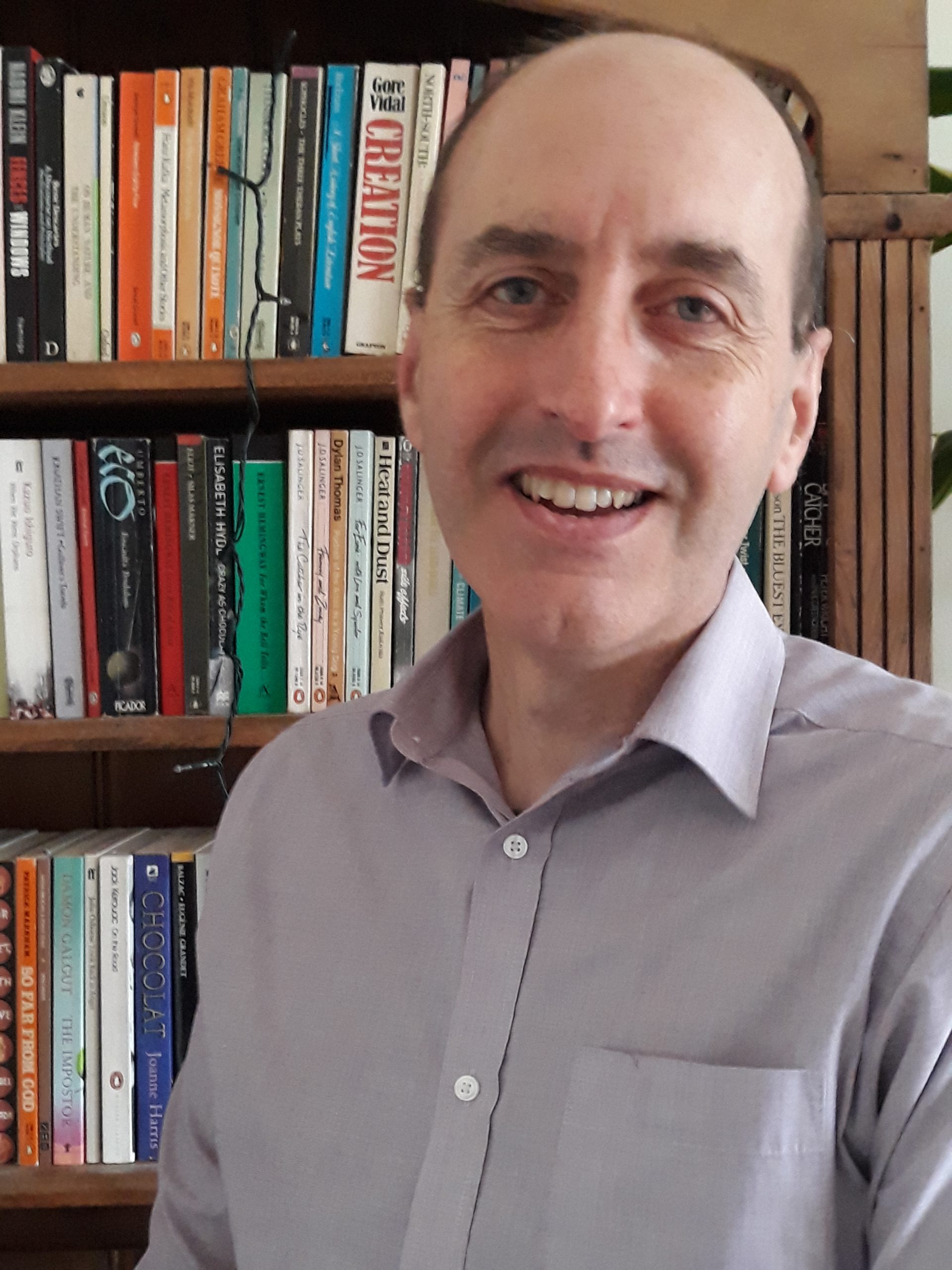
- Written by: John Watson — Stroke Association — Associate Director Scotland at the Stroke Association
- Published: 6th April 2022
John Watson reflects on the Scottish Government's newly published 'Progressive Stroke Pathway' document.
Stroke is the fourth most common killer in Scotland and the leading cause of disability. Great advances have been made over the years in stroke care, including through the efforts of frontline healthcare staff, an innovative research programme and the introduction of new treatments that can save lives and reduce disability. This positive action has resulted in real change to stroke care and support in Scotland.
However, stroke remains a clinical priority in Scotland, because there is so much more to do, to ensure lives are saved and rebuilt again.
That is why we were pleased to see last month’s publication of the Scottish Government’s ‘Progressive Stroke Pathway’, an ambitious vision document that sets out where health boards need to be in order to develop and deliver this ideal stroke service in their area.
Despite months of extraordinary pressures on health and social care due to the pandemic, stroke services held up well overall. In addition, clinical and health policy experts, determined to meet the commitments outlined in the 2019/2020 Programme for Government, came together and produced this robust, evidence-based document. There was wide consultation of the proposals with relevant stakeholders, including charities such as our own, and people affected by stroke. We are happy to give our backing to it.
The pathway covers action to prevent strokes, through to emergency response, acute medical care and on to the rehabilitation journey, first in hospital and then in the community.
Whilst it is an aspirational document, it provides a clear framework from which to develop an implementation plan. This plan will pose significant challenges for those responsible in delivering it. Often such challenges require senior leadership to make the necessary decisions around policy and resourcing.
In recognition of this, the document states that each health board must designate one named individual answerable for their performance in delivering the new stroke pathway, and they too must account for what they are doing to prioritise stroke. We welcome this move to ensure those who need vital support receive it. Meanwhile, we need the Cabinet Secretary for Health and Social Care to spell out what prioritising stroke actually looks like, and to direct, and enable, our health and social care services to act accordingly.
As for now, we believe that focus must quickly shift to the practical steps necessary to turn these aspirations into reality on the ground in all of our communities. We are happy to give our support to the new vision for stroke in Scotland, we will be doing everything we can to see it translated into real change on the ground, and to improve the lives of people affected by stroke.
All those involved or affected by stroke, can play a part in making this happen. A first step towards this, would be to ask you to read the pathway document (this link will take you away from our website). You can also sign up to our campaigns network (this link will take you away from our website) to keep abreast of developments in relation to the pathway and to get involved in campaigns activity.
None of us want to fail the 10,000 Scots who have a stroke each year and the 128,000 people living with the effects of their stroke. So please take action now.
End of document.
End of page.
You may also like:
As part of our 20 year anniversary, the Integration Team highlight the importance of our Connected Communities series.
Continue readingTo mark ‘What matters to you?’ Day, The ALLIANCE's Barbara Flynn considers the impact of Tommy Whitelaw’s talks for nurses and midwives.
Continue readingThe ALLIANCE’s Humans of Scotland project works to challenge stigma.
Continue readingIn her latest TFN column, our Chief Officer Sara Redmond reflects on post election feelings and Scotland’s future.
Continue readingALLIANCE Chief Officer, Sara Redmond, reflects on our Annual Conference 2026 and how we're turning hope into action.
Continue readingALLIANCE member, Catherine, shares the importance of initiatives like 'What Matters To You?' Day in promoting person centred care.
Continue readingLearn about how the ALLIANCE has championed joined-up, person centred care.
Continue readingDementia Action Week highlighted some great resources and support for people living with dementia and their family, friends, and carers.
Continue readingSteven Mair gives us an insight into his role as a gamer at the Glasgow Children’s Hospital Charity.
Continue readingSince 2009, ALISS has helped people find local health and wellbeing support. Any group, big or small, can add their information.
Continue readingThe new Scottish Government must turn promises into action to improve hospice and palliative care
Continue readingTogether, we can create lasting change for everyone living with Crohn’s or Colitis.
Continue readingFind out more about these digital self management tools and how to get in touch to arrange an information session.
Continue readingOur Chief Officer Sara Redmond addresses recent commentary on the relationship between Government and the Third Sector.
Continue readingCornell explores how we can build an environmental human rights-based culture
Continue readingLouise Coupland, Digital Health and Social Care Programme Manager shares her opinions on the national roll out of MyCare.scot.
Continue readingChris Mackie, Director of Digital, looks back at how ALISS has developed, grown, and innovated over time.
Continue readingCrohn’s and Colitis care in Scotland is at a pivotal moment. Urgent action is needed to tackle delays and poor access to vital services
Continue readingThe ALLIANCE’s Lewis Shaw reflects on the importance of rehabilitation support.
Continue readingIsabella Goldie of Deafblind Scotland reflects on the value of partnership work.
Continue readingFind out more about the inaugural Power of Attorney Day taking place on 22 April 2026.
Continue readingDr Hannah Tweed reflects on 20 years of the Scottish Sensory Hub, the important work they do and why it matters.
Continue readingAs part of our 20 year anniversary, Kerry shares her reflections on how far the ALLIANCE has come, our achievements, and our impact.
Continue readingIn her latest TFN column, our Chief Officer Sara Redmond reflects on 20 years since Scotland moved to put children at the centre of policy.
Continue readingCancer care in Scotland is at a critical moment. Macmillan is calling for urgent action ahead of the parliamentary elections in May
Continue reading