
Collaboration is key: reflecting on 17 years of NHS Health Scotland
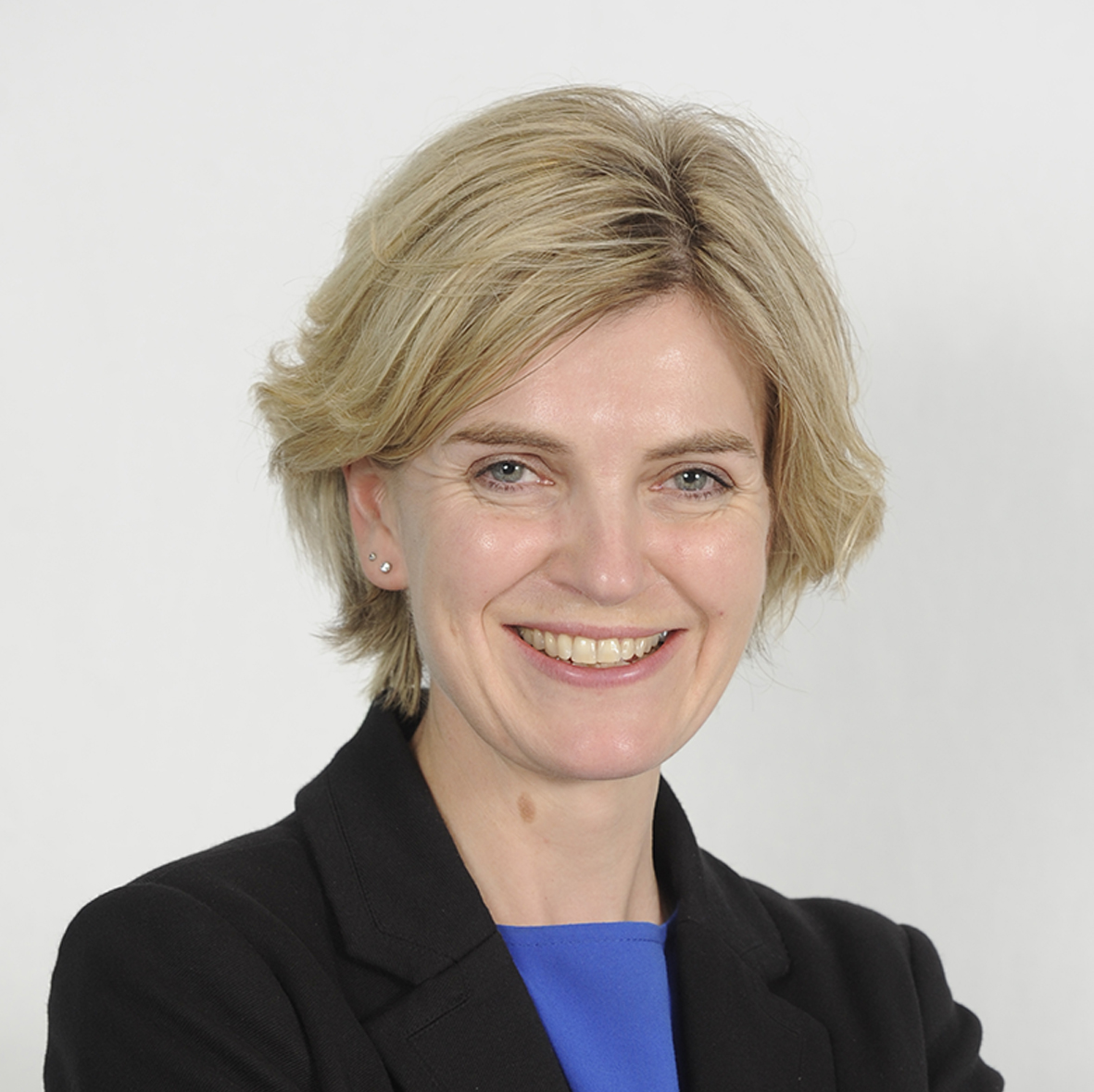
- Written by: Cath Denholm — — Director of Strategy
- Published: 6th January 2020

Cath reflects on NHS Health Scotland's contribution to public health.
2020 is going to be an important year for public health in Scotland. The new national agency – Public Health Scotland – comes into being on 1 April and for the first time Scotland will have unified national leadership across all areas of public health. This leadership is required now more than ever as the people of Scotland are facing unprecedented challenges to their health. Many people are trying to survive on low incomes and in precarious employment. Social security has been reduced and it’s more difficult now for people to get – and retain – the financial support they need. Climate change is threatening the conditions that support health and austerity is putting the public services we rely on at risk. Life expectancy, which is a good marker of how well a society is doing, stalled in Scotland seven years ago. More of us are now dying in our 30s, 40s and 50s than in the past and with increased inequality, life expectancy in our poorest areas is actually decreasing. Put simply, people are not enjoying their right to the highest attainable standard of health.
This is the biggest public health challenge that Scotland has faced for many decades. NHS Health Scotland will pass the national remit for improving health and reducing health inequalities to the new national agency. Speaking as a member of the Board of NHS Health Scotland and its Director of Strategy for 12 years, I can say that the new body is something I am excited and optimistic about. I believe that Public Health Scotland has the potential to make a real difference to the health of the Scottish people.
Over the 17 years that NHS Health Scotland has been in operation as Scotland’s health improvement agency we have learnt a lot. While our focus is very much on the future, we want to make sure that the best of what we have done carries over to Public Health Scotland. As part of this we have shared a report called ‘Building our Future’, which describes how health improvement has developed in Scotland over the last 17 years through the lens of three key areas of work; alcohol, place and early years. The report also describes how over that time the agenda of health inequalities, equality and human rights became increasingly important to our work. But over and above all that, it tells the story of how collaboration is the cornerstone of effective public health work. Of course, collaboration is a word we hear often and few would argue against its merits. However, it has meant something particular and important for us over our time. Public health is by definition about the “organised efforts of society”. This means it’s a shared concern across civil society and well beyond the health service. And it’s organisations like those within the ALLIANCE membership whose work impacts on the social determinants of health – family income, community, housing, childhood experiences and so forth – that will make a real difference in the long run.
It is therefore encouraging that collaboration has a central position in Public Health Scotland as one of the five values along with respect, integrity, innovation and excellence. I am also pleased that extended partnership – across civil society, local government and national government – is recognised as a key driver for the new body. With that, I am confident that Public Health Scotland will continue to value collaboration with a wide range of stakeholders in the way that we have across our 17 year tenure. We are certainly very clear that we could not have done what we did on our own.
Finally, as I look forward to what 2020 brings, I personally and as a spokesperson for NHS Health Scotland look back on our work with the ALLIANCE as one our strongest and most significant collaborators over the years. I encourage you all to work with Public Health Scotland when it comes into being in April and together drive forward the improvements in public health that we need now more than ever.
End of page.
You may also like:
Billy McClean reflects on why SCIC26 offers a vital opportunity to learn together, share what works, and shape the future of integrated care
Continue readingTo mark the ALLIANCE's 20 year anniversary Paul Okroj reflects on the importance of supported self management.
Continue readingTo mark Scottish Learning Disability Week (7 - 13 September), Bruce Adamson reflects on this year's call to action.
Continue readingIn her latest TFN column, our Chief Officer Sara Redmond reflects on the current state of social care in Scotland.
Continue readingKicking off September for the ALLIANCE's 20 year anniversary, Grace reflects on the Self Management Programme
Continue readingSara Redmond, ALLIANCE Chief Officer, on the priorities for 2026's Programme for Government.
Continue readingSandra Auld reflects on the ALLIANCE's people focused impact, collaboration, lived experience, campaigns and lasting change in Scotland.
Continue readingMark shares his experience with gambling harms, and how this intersected with the launch of the ALLIANCE's ScotRGH programme in 2020.
Continue readingProfessor Anna Glasier celebrates 20 years of the ALLIANCE and it's vital role in shaping the Women's Health Plan for Scotland.
Continue readingSara Redmond, ALLIANCE Chief Officer, on the challenges faced by community-led health organisations in delivering prevention.
Continue readingAnnie shares her experience of youth politics, and how SAFE has helped her make connections and makes sense of the world of politics.
Continue readingChloe Craig reflects on how we have helped connect Scotland’s lived experience voice to conversations happening beyond our borders.
Continue readingDr Irene Oldfather reflects on two decades of growth, collaboration, and person centred impact across Scotland and beyond.
Continue readingDisabled people are some of those who suffer most in crises but are ignored in planning. Our 6-step model builds justice throughout.
Continue readingMaisie Peebles shares her experience working with Aberdeenshire Public Health Team on a ‘digital conversations’ project.
Continue readingSara Redmond, ALLIANCE Chief Officer, on why the Scottish Government and parties must seize the opportunity for change.
Continue readingDirector of the Links programme, Roseann, discusses why we need to focus on person centred care, and why the programme is central to this.
Continue readingReflections on the ALLIANCE Integration in Action: Inclusive Leadership event.
Continue readingWhat does The Scottish Report tell us about how we're supporting people with inflammatory mediated autoimmune conditions (IMIDs)?
Continue readingAvril McLean from Action from ME shares new resources designed to support professionals understand the impact of ME on people's lives.
Continue readingMandy Wright from Home Energy Scotland shares how partnerships positively impact their work.
Continue readingToo many young people are falling through the mental health support gap. How do we fix the "Missing Middle"?
Continue readingJoe McCready from Carers UK shares how important their annual survey is, and why it is invaluable for unpaid carers to have their say.
Continue readingColette reflects on the last 12 years of the Community Links Worker programme, as well as her own experience of being a CLW.
Continue readingWith the current World Cup, gambling presents an even higher risk. How can we prevent young people from getting tangled in this web?
Continue reading