
Courageous Leadership – Hawys Kilday, Sight Scotland
- Written by: Hawys Kilday — Sight Scotland & Sight Scotland Veterans — Director of Services
- Published: 21st May 2021
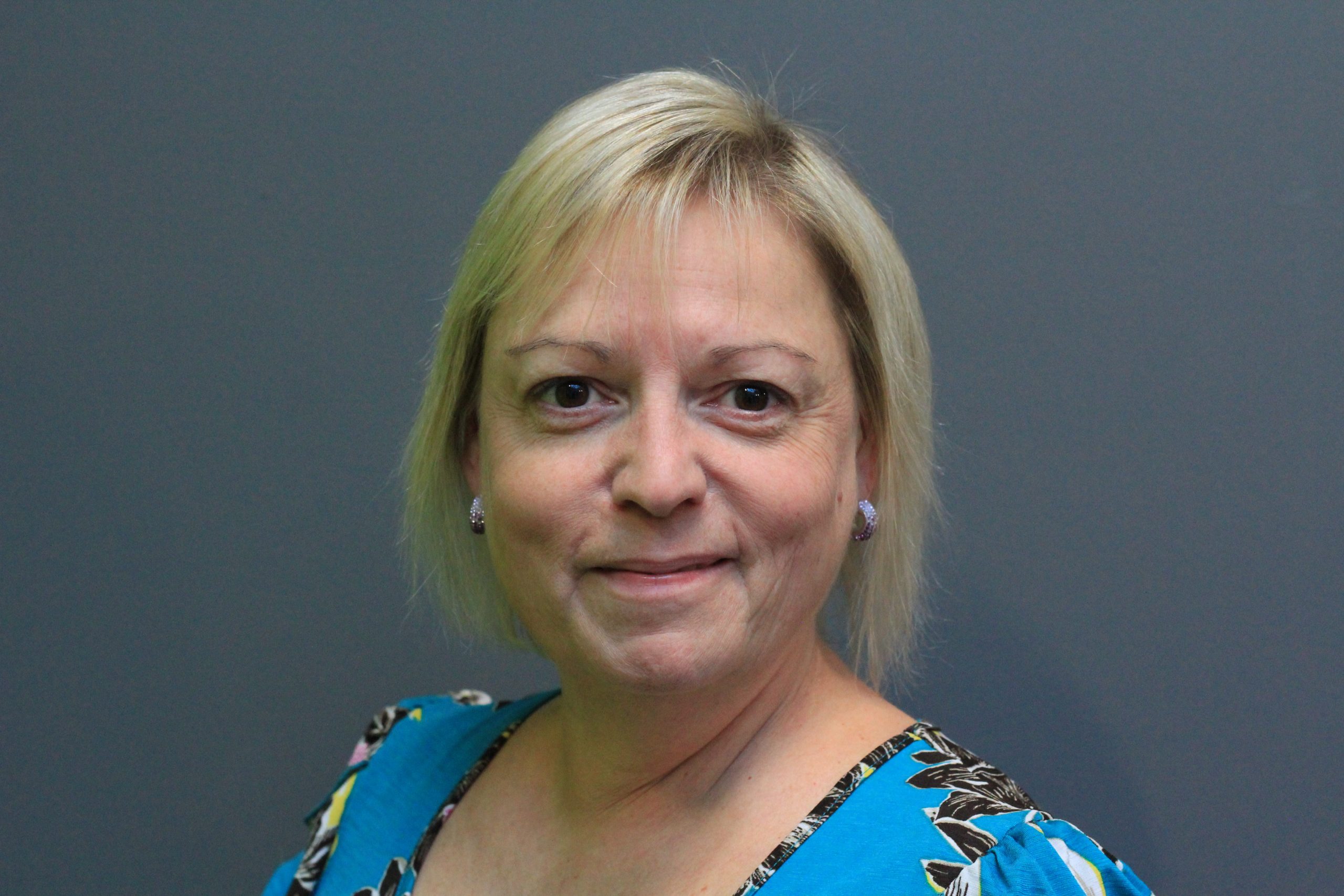
Hawys Kilday, Director of Services at Sight Scotland, shares her thoughts on Courageous Leadership.
Sight Scotland provides support for people with sight loss with a variety of services in residential settings including respite and care for young people and residential care for older people. Sight Scotland is a national charity operating across Scotland.
What does courageous leadership mean to you?
Within our sector we are constantly grappling with change against a backdrop of increasing need, external pressures, increasing expectations and the reality of the financial environment. Navigating any organisation through this requires courageous leadership. For me, this is made up of a number of components including authenticity, resilience, commitment to purpose, a desire to continuously improve together with leading by example and self-discipline.
Change is both exciting and difficult. Leaders must be change-capable. Successful change is crucial in our sector. History has shown the inability to embrace change and do things differently results in stagnation and failure. In order to effect change I would suggest leaders need to communicate, collaborate and commit. Communication must include why we are embarking on a particular direction and what we hope to achieve from this. Bringing people together from across the organisation, harnessing skills and refusing to work in silos is the key to collaboration. Leaders must commit, demonstrating their own behaviours and beliefs to support the change process.
Leadership is challenging, the need to build resilience is essential. It is crucial to demonstrate the ability to navigate through challenges and opportunities. Leaders not only need to guide with courage and conviction but must continually develop their own strengths and capacity. I believe that every challenge provides opportunities to build and develop strengths, not only in ourselves but in each other.
I take self-discipline very seriously. Leaders need to exercise self-discipline, be prepared to act under pressure whilst remaining calm and focused. I won’t shirk on my responsibilities, I have high expectations of myself, always willing to put in the effort required to show I am prepared to achieve positive outcomes for Sight Scotland.
What attributes of courageous leadership are important to you in your role?
In my role as Director of Services, leading by example is important to me. I understand and appreciate leadership involves influencing the attitudes and behaviour of others within the team. Leadership by example supports people to see what lies ahead and respond positively and quickly to challenges and opportunities. One of my key responsibilities is to inspire the team throughout Sight Scotland. I want them to do the best they can, not only for the organisation and those we currently care for but also to work creatively with the aim of supporting many more people with sight los in Scotland.
People are the most important asset of any organisation. I place particular value on developing positive working relationships that are built on trust and respect. I have prioritised a move away from silo thinking. I have worked hard to create a sense of belonging, appreciating that whilst services may differ in their delivery models, all aim to support those with sight loss and have more in common than many would first think.
It is important to me to listen to the team. Within Sight Scotland we have a huge pool of talent and a wide range of skills, knowledge and expertise. I have a huge amount to learn from colleagues which supports decision making. I aim to guide and support the team to provide the highest standards of quality services together with developing and expanding these to respond to the increasing numbers of people who will experience sight loss in Scotland.
Is authenticity important to you and how do you bring it to your position?
I believe authenticity is crucial in any leadership role; you need to be true to yourself to gain the respect and trust of others. I never try to be something or someone I am not. People can sense immediately if you are masquerading, as soon as that happens any credibility you had beforehand disappears and regaining trust represents a steep climb. I adopt an approach that is open, transparent and honest. I recognise and value the broad skillset that exists within Sight Scotland, harnessing this expertise is essential to me.
It is important that in leadership those you support and work alongside together with service users, stakeholders and partners all have a clear understanding of the values, beliefs, expectations and attitudes of you as a leader. I genuinely believe in Sight Scotland’s ethos and am committed to embracing and progressing our strategic vision. It is important to me that all leadership decisions I take have at their heart our desire to help and put in place support for as many people impacted by sight loss as possible in Scotland.
Throughout your journey what, or who, has been influential in shaping your leadership style?
I have been fortunate to have had the opportunity to be guided and influenced by some inspiring leaders, all of whom have provided valuable lessons. The vast majority of my career has been spent in the Third Sector where I have seen and experienced countless examples of courageous leadership skills being applied aimed at supporting some of the most vulnerable in our society.
My personal experiences have also influenced my leadership style. Growing up and throughout my adulthood my family has always encouraged the importance of considering others whist being ambitious and determined. Learning from events that have occurred also shapes opinion, none could be more topical than observing the different styles and stances taken by a range of leaders to our current crisis, Covid-19.
All the leaders I admire have a number of similar characteristics, including patience, sensitivity, humility, respect and perhaps most importantly kindness. I hope and would be proud if colleagues recognised these in my own leadership style.
In your opinion what, in terms of leadership, is required for the future of health and social care in Scotland?
I believe we are blessed with strong leadership with the sector. Much has been achieved in shaping policy and developing high quality services and support to those the sector serves; often the most vulnerable, disadvantaged and unheard within Scotland.
I would hope that as leaders we can continue to work collaboratively to make a significant impact within our society. I hope we are in a position to inspire the next generation of leaders who will continue to have a voice that is respected, valued and influences our future as a society.
Read more in the Courageous Leadership series from Rami Okasha, Chief Executive of CHAS.
End of page.
You may also like:
To mark ‘What matters to you?’ Day, The ALLIANCE's Barbara Flynn considers the impact of Tommy Whitelaw’s talks for nurses and midwives.
Continue readingThe ALLIANCE’s Humans of Scotland project works to challenge stigma.
Continue readingIn her latest TFN column, our Chief Officer Sara Redmond reflects on post election feelings and Scotland’s future.
Continue readingALLIANCE Chief Officer, Sara Redmond, reflects on our Annual Conference 2026 and how we're turning hope into action.
Continue readingALLIANCE member, Catherine, shares the importance of initiatives like 'What Matters To You?' Day in promoting person centred care.
Continue readingLearn about how the ALLIANCE has championed joined-up, person centred care.
Continue readingDementia Action Week highlighted some great resources and support for people living with dementia and their family, friends, and carers.
Continue readingSteven Mair gives us an insight into his role as a gamer at the Glasgow Children’s Hospital Charity.
Continue readingSince 2009, ALISS has helped people find local health and wellbeing support. Any group, big or small, can add their information.
Continue readingThe new Scottish Government must turn promises into action to improve hospice and palliative care
Continue readingTogether, we can create lasting change for everyone living with Crohn’s or Colitis.
Continue readingFind out more about these digital self management tools and how to get in touch to arrange an information session.
Continue readingOur Chief Officer Sara Redmond addresses recent commentary on the relationship between Government and the Third Sector.
Continue readingCornell explores how we can build an environmental human rights-based culture
Continue readingLouise Coupland, Digital Health and Social Care Programme Manager shares her opinions on the national roll out of MyCare.scot.
Continue readingChris Mackie, Director of Digital, looks back at how ALISS has developed, grown, and innovated over time.
Continue readingCrohn’s and Colitis care in Scotland is at a pivotal moment. Urgent action is needed to tackle delays and poor access to vital services
Continue readingThe ALLIANCE’s Lewis Shaw reflects on the importance of rehabilitation support.
Continue readingIsabella Goldie of Deafblind Scotland reflects on the value of partnership work.
Continue readingFind out more about the inaugural Power of Attorney Day taking place on 22 April 2026.
Continue readingDr Hannah Tweed reflects on 20 years of the Scottish Sensory Hub, the important work they do and why it matters.
Continue readingAs part of our 20 year anniversary, Kerry shares her reflections on how far the ALLIANCE has come, our achievements, and our impact.
Continue readingIn her latest TFN column, our Chief Officer Sara Redmond reflects on 20 years since Scotland moved to put children at the centre of policy.
Continue readingCancer care in Scotland is at a critical moment. Macmillan is calling for urgent action ahead of the parliamentary elections in May
Continue readingMhairi Campbell reflects on Premenstrual Dysphoric Disorder (PMDD) not being recognised as having a severe impact on life.
Continue reading