
Do we know enough about delirium and how to deal with it?
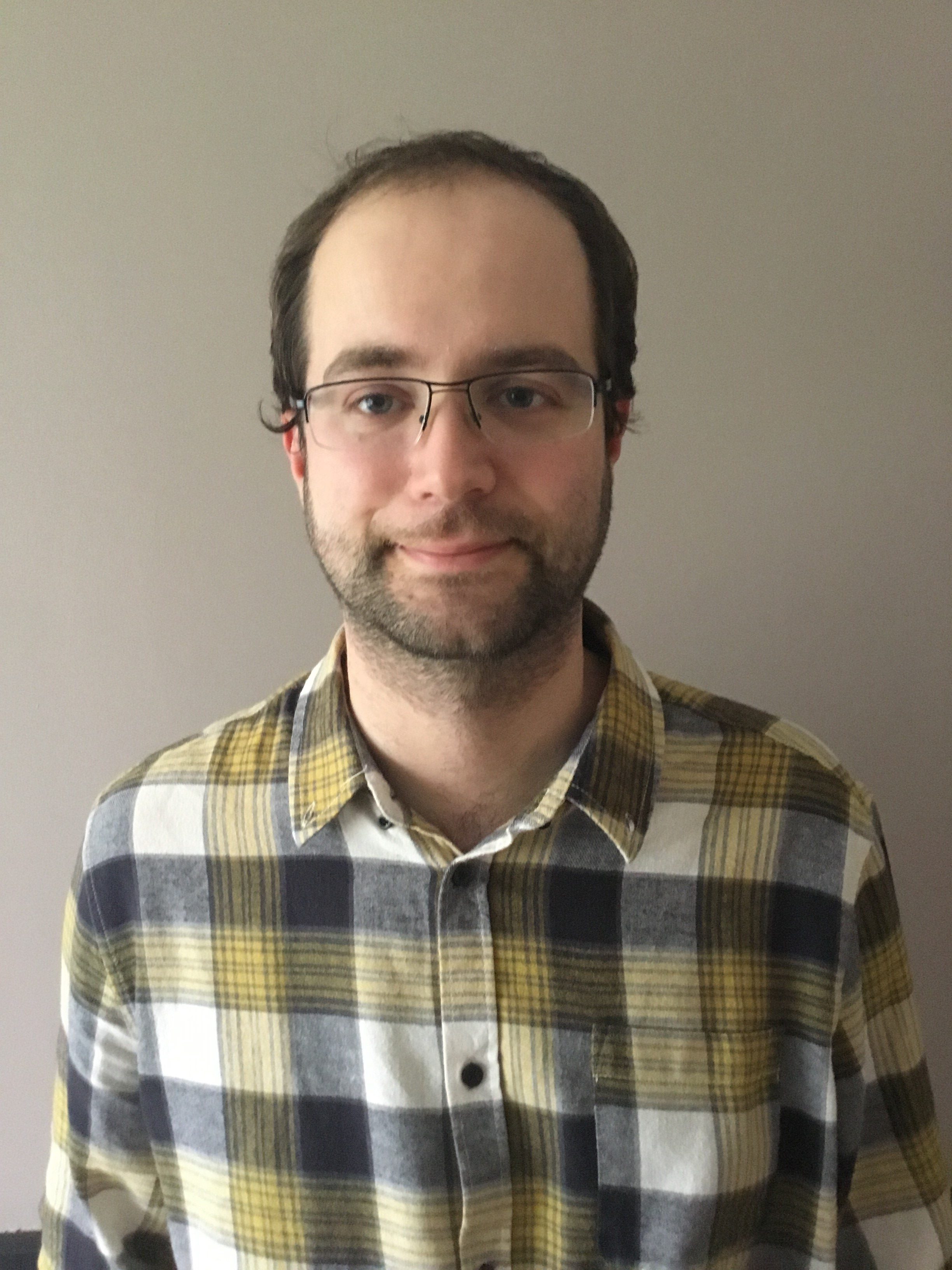
- Written by: Mark Hudson
- Published: 15th October 2019

Mark recounts his experiences with delirium and highlights the need for a stronger understanding for everyone involved in care.
The worst time in my life happened on 28th December 2015 when I was admitted to Intensive Care (ICU). Why? Because while I was there, I experienced ICU Delirium.
Words can’t do justice to the horror, terror and fear I experienced while suffering from delirium. I had delirium for approximately three weeks but during that time, I believed seven years had passed. For much of that time, I was assaulted, tortured and cut open. I couldn’t tell that what was happening to me was not real as it was my brain that was ‘tricking’ me.
As a result of this experience, I lost my self-confidence, my concentration and ability to remember things as well as process information as quickly as I used to. On top of these immediate issues, which some are still affecting me, I developed psychological issues in my recovery including depression, anxiety and PTSD.
Despite having had delirium, it was never spoken about in the hospital or even noted in my discharge letter. In fact, it was only at InS:PIRE (Intensive care Syndrome: Promoting Independence and Return to Employment) clinic that the word ‘delirium’ was first used. My initial focus as a patient was my physical recovery. All I could think about at the time was returning to ‘normal’ life. To help cope with the psychological issues, I started to write, eventually starting a blog and publishing poems. I was then asked to become the InS:PIRE peer volunteer which I was ecstatic to do, helping survivors who came after me understand that their experience with delirium was normal and that it does get better.
People expect me to be angry at HCPs but I am not. I am however very angry at educational institutions, for not giving them enough knowledge and tools to deal with delirium effectively.
Through my volunteering and writing, I was asked to speak at my health boards delirium training day. I was finally able to bridge the gap between the reality of delirium and what it ‘looks’ like which would improve the understanding of the Healthcare Professionals (HCPs) in attendance, helping improve how they treat and manage delirium going forward. I also discussed the things I felt were not helpful in my recovery. For example, when I had a flashback while in the High Dependency ward, I was told it was just a bad dream and to go back to sleep. This affected me deeply as it showed a fundamental lack of understanding of what delirium was and its aftereffects; this was the driving force behind me wanting to speak about delirium.
After the training day, I was asked to speak to one of the excellent intermediate care teams, who treat patients in the community. These teams had likely encountered a lot of delirium patients but didn’t understand what delirium was like for the patient and were stunned silent after my talk revealing my personal experience. This is one of the hurdles that must be overcome to ensure high-quality delirium care in all settings. The biggest step forward for standardization of evidence-based care for delirious patients was the publication of the SIGN (Scottish Intercollegiate Guidelines Network) guideline for delirium.
Most recently, I was given the honour of speaking at the European Delirium Association’s training day this year in Edinburgh. Talking at the event was both easy and scary for me, but is an integral part of training HCPs – sharing the worst moments of my life helps to bring context and supports HCPs delirium education as well as understanding why person-centred care is so important.
End of page.
You may also like:
Billy McClean reflects on why SCIC26 offers a vital opportunity to learn together, share what works, and shape the future of integrated care
Continue readingTo mark the ALLIANCE's 20 year anniversary Paul Okroj reflects on the importance of supported self management.
Continue readingTo mark Scottish Learning Disability Week (7 - 13 September), Bruce Adamson reflects on this year's call to action.
Continue readingIn her latest TFN column, our Chief Officer Sara Redmond reflects on the current state of social care in Scotland.
Continue readingKicking off September for the ALLIANCE's 20 year anniversary, Grace reflects on the Self Management Programme
Continue readingSara Redmond, ALLIANCE Chief Officer, on the priorities for 2026's Programme for Government.
Continue readingSandra Auld reflects on the ALLIANCE's people focused impact, collaboration, lived experience, campaigns and lasting change in Scotland.
Continue readingMark shares his experience with gambling harms, and how this intersected with the launch of the ALLIANCE's ScotRGH programme in 2020.
Continue readingProfessor Anna Glasier celebrates 20 years of the ALLIANCE and it's vital role in shaping the Women's Health Plan for Scotland.
Continue readingSara Redmond, ALLIANCE Chief Officer, on the challenges faced by community-led health organisations in delivering prevention.
Continue readingAnnie shares her experience of youth politics, and how SAFE has helped her make connections and makes sense of the world of politics.
Continue readingChloe Craig reflects on how we have helped connect Scotland’s lived experience voice to conversations happening beyond our borders.
Continue readingDr Irene Oldfather reflects on two decades of growth, collaboration, and person centred impact across Scotland and beyond.
Continue readingDisabled people are some of those who suffer most in crises but are ignored in planning. Our 6-step model builds justice throughout.
Continue readingMaisie Peebles shares her experience working with Aberdeenshire Public Health Team on a ‘digital conversations’ project.
Continue readingSara Redmond, ALLIANCE Chief Officer, on why the Scottish Government and parties must seize the opportunity for change.
Continue readingDirector of the Links programme, Roseann, discusses why we need to focus on person centred care, and why the programme is central to this.
Continue readingReflections on the ALLIANCE Integration in Action: Inclusive Leadership event.
Continue readingWhat does The Scottish Report tell us about how we're supporting people with inflammatory mediated autoimmune conditions (IMIDs)?
Continue readingAvril McLean from Action from ME shares new resources designed to support professionals understand the impact of ME on people's lives.
Continue readingMandy Wright from Home Energy Scotland shares how partnerships positively impact their work.
Continue readingToo many young people are falling through the mental health support gap. How do we fix the "Missing Middle"?
Continue readingJoe McCready from Carers UK shares how important their annual survey is, and why it is invaluable for unpaid carers to have their say.
Continue readingColette reflects on the last 12 years of the Community Links Worker programme, as well as her own experience of being a CLW.
Continue readingWith the current World Cup, gambling presents an even higher risk. How can we prevent young people from getting tangled in this web?
Continue reading