
Future of Social Care – National Care Service: work to be done
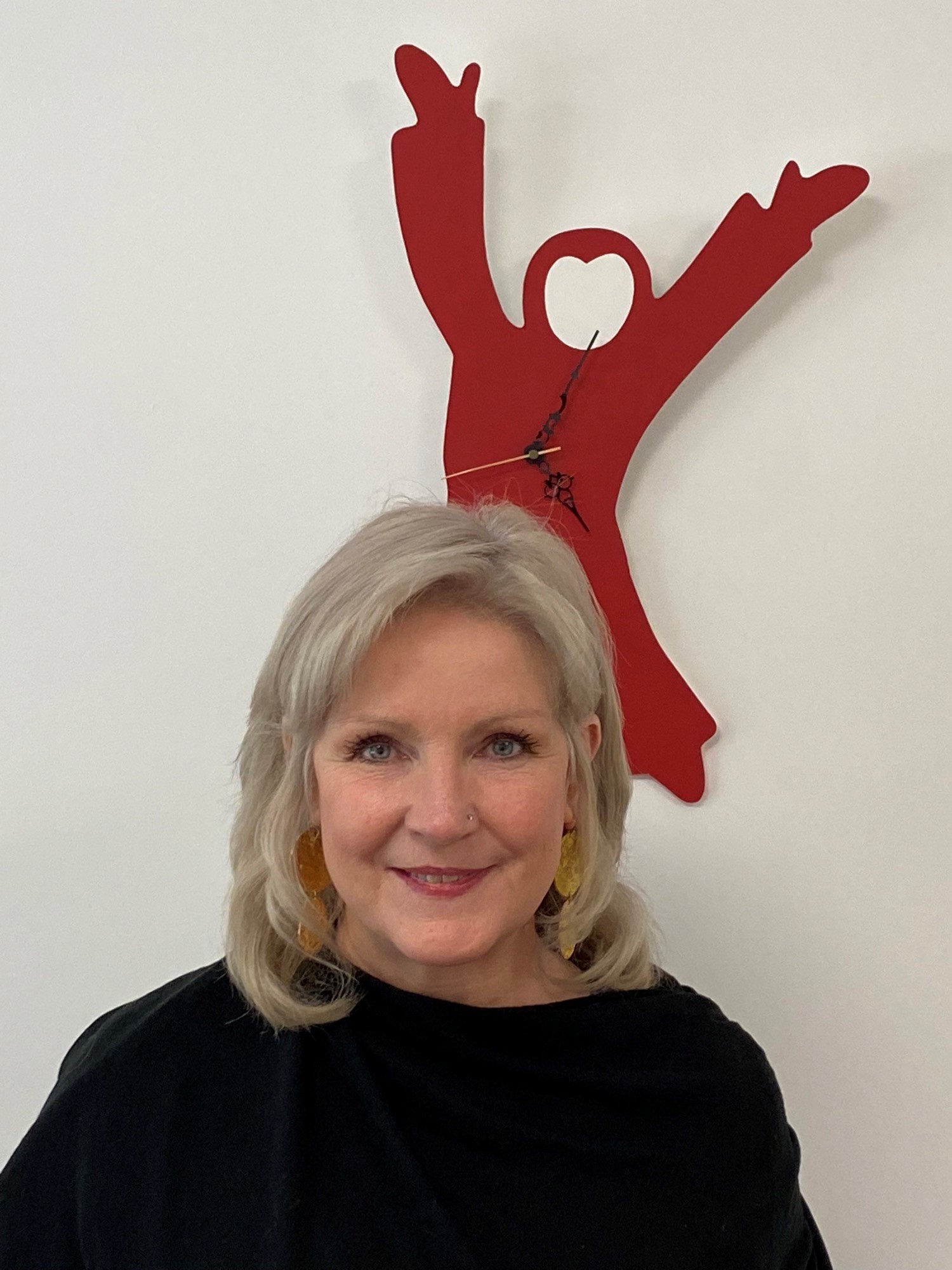
- Written by: Isabella Goldie — Deafblind Scotland — Chief Executive
- Published: 6th October 2021

Isabella Goldie from Deafblind Scotland reflects on specialist care and work to be done within the national care service.
In reading the National Care Service for Scotland Consultation it strikes me that there are some big ideas, in what is already an ambitious proposition. One thread that runs throughout is the implications for the workforce. Although the adoption of new systems/processes such as the proposed Community Health and Social Care Boards will be important, it will fall to the energy and commitment of people to make this happen. Whether working in planning to embed ethical approaches to commissioning, or in frontline roles bringing life to new models of care.
Adopting new models of care where the centrality of relationships is acknowledged is a strong starting point and critically important for deafblind people. The absence of specialist support and communication barriers can make it impossible to interact with others in the nuanced way needed to form good quality relationships.
Furthermore, our engagement with the world is wider than immediate friends and family; from the neighbourhoods in which we live to the navigation of a series of services and systems across society. For this reason, the workforce will need to feel competent in negotiating family dynamics but also in supporting people as citizens.
I am heartened to see a focus on prevention and early intervention in the proposals, as taking this broader view creates real opportunities to explore wider life domains, identify individual strengths, but also potential assets in people’s social and physical environment. A strength of the concept of Getting it Right for Everyone, is the principle that this is a service for all, evidenced by the articulation of the adoption of universal approaches to support people at points in their life when failing to do so may result in higher support needs further downstream. Deafblind people have told us that earlier intervention to support them through the traumatic transition to a second sensory loss could have enabled them to retain much higher levels of independence and social connectedness.
It is a rare for deafblind people to start life with a dual sensory loss, with most acquiring at least a second sensory loss later in life. All too often we meet people too late to provide the transitional support that could have helped the most.
Avoiding failure demand has been a concept debated at least since the Christie Report, but it does require an integrated system that is willing to allow for cost savings later in an individual’s life-course but also across other systems. We have fallen short on this effective integration and turning this around will require a shift in power dynamics between commissioners and service providers that I am pleased to see has been acknowledged. Further financial investment will also help take away some of the perverse incentives to plan and commission care that is narrow, short-term and task-focused rather than rights-based and outcome enabling.
An area where we will need to see significant improvements is the development of the social care workforce. In Deafblind Scotland staff members undertake 3-4 years training to develop specialist skills. This highly skilled workforce will not be unique. Others working alongside people with complex health, social and communication needs such as within the fields of Autism, Dementia and Learning Disability perhaps also feeling that their skill level has not been fully recognised. However, there is plenty to welcome in proposals related to the social care workforce, with strong indications that in the future they will receive the appropriate financial recognition. But we can’t stop there. We need to acknowledge that some of this workforce are now as highly skilled as their counterparts in healthcare, although are not valued as ‘professionals’ in the same way.
With proposals that include the adoption of a national approach for those requiring more specialist support, we need to understand that for this to be effective we will need to recognise and further enhance those workforce specialist skills. At this important turning point if we can succeed in establishing social care as an attractive and rewarding career opportunity on a par with healthcare we might just begin to realise our ambitions of creating a National Care Service that does ‘Get it Right for Everyone’.
End of page.
You may also like:
Dr Anthony McMahon reflects on the importance of the Community Links Worker within his GP surgery - and why it makes all the difference.
Continue readingAs part of our 20 year anniversary, the Integration Team highlight the importance of our Connected Communities series.
Continue readingTo mark ‘What matters to you?’ Day, The ALLIANCE's Barbara Flynn considers the impact of Tommy Whitelaw’s talks for nurses and midwives.
Continue readingThe ALLIANCE’s Humans of Scotland project works to challenge stigma.
Continue readingIn her latest TFN column, our Chief Officer Sara Redmond reflects on post election feelings and Scotland’s future.
Continue readingALLIANCE Chief Officer, Sara Redmond, reflects on our Annual Conference 2026 and how we're turning hope into action.
Continue readingALLIANCE member, Catherine, shares the importance of initiatives like 'What Matters To You?' Day in promoting person centred care.
Continue readingLearn about how the ALLIANCE has championed joined-up, person centred care.
Continue readingDementia Action Week highlighted some great resources and support for people living with dementia and their family, friends, and carers.
Continue readingSteven Mair gives us an insight into his role as a gamer at the Glasgow Children’s Hospital Charity.
Continue readingSince 2009, ALISS has helped people find local health and wellbeing support. Any group, big or small, can add their information.
Continue readingThe new Scottish Government must turn promises into action to improve hospice and palliative care
Continue readingTogether, we can create lasting change for everyone living with Crohn’s or Colitis.
Continue readingFind out more about these digital self management tools and how to get in touch to arrange an information session.
Continue readingOur Chief Officer Sara Redmond addresses recent commentary on the relationship between Government and the Third Sector.
Continue readingCornell explores how we can build an environmental human rights-based culture
Continue readingLouise Coupland, Digital Health and Social Care Programme Manager shares her opinions on the national roll out of MyCare.scot.
Continue readingChris Mackie, Director of Digital, looks back at how ALISS has developed, grown, and innovated over time.
Continue readingCrohn’s and Colitis care in Scotland is at a pivotal moment. Urgent action is needed to tackle delays and poor access to vital services
Continue readingThe ALLIANCE’s Lewis Shaw reflects on the importance of rehabilitation support.
Continue readingIsabella Goldie of Deafblind Scotland reflects on the value of partnership work.
Continue readingFind out more about the inaugural Power of Attorney Day taking place on 22 April 2026.
Continue readingDr Hannah Tweed reflects on 20 years of the Scottish Sensory Hub, the important work they do and why it matters.
Continue readingAs part of our 20 year anniversary, Kerry shares her reflections on how far the ALLIANCE has come, our achievements, and our impact.
Continue readingIn her latest TFN column, our Chief Officer Sara Redmond reflects on 20 years since Scotland moved to put children at the centre of policy.
Continue reading