
It is time to stop saying ‘hard to reach’ and instead start ‘reaching out’
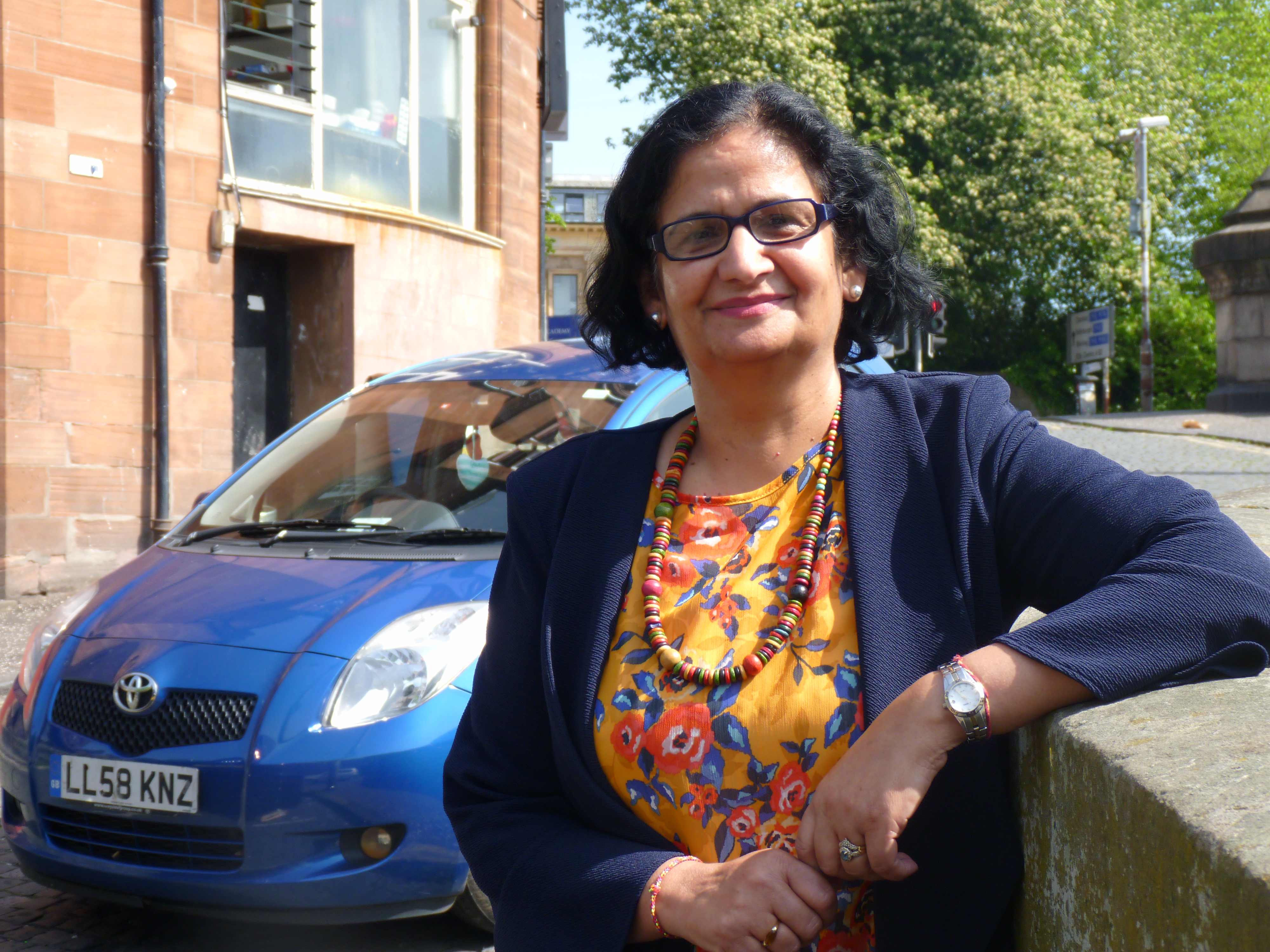
- Written by: Rohini Sharma Joshi FCIH — Trust Housing Association — Equality, Diversity & Inclusion Manager
- Published: 19th July 2019

Rohini talks about the current care and service needs of ethnic minority older people in Scotland.
Ethnic minority older people who arrived in Scotland and throughout the UK in the 1950s and 1960s are now ageing and need care. As they are small in numbers, their needs have mostly been ignored. But they are very frail and struggling and the services in place are not equipped to meet their needs. What’s going to happen?
Many of them, often in their late 70s or 80s, are living alone. My concern is what’s going to happen to them when they are not able to manage? Who is going to look after them?
Their current care needs are dire but they’re not being met. During my work, I see far too many cases where older people have no support and day-to-day living is a serious struggle. One such example is that of a 91-year-old man who lives in a care home. He hates it and cries to go home. His 85-year-old wife is disabled and also feels that he should be at home and looked after by their children. There is a huge cultural dilemma where parents wish to be looked after at home by their adult children – most of whom have full time jobs and a family of their own and who are unable to meet their parents’ expectations and desires.
It’s all very well to plan for the next 30 years but what happens to people who need services right now?
The biggest problem is the language barrier. There is a need for more focus on recruitment of ethnic minority carers, to meet both language and cultural requirements. We need sheltered housing and care housing for ethnic minority older people with staff who can speak their language and meet their dietary and cultural needs.
And there’s also need to consider the additional and complex needs created by the increase of dementia in the ethnic minority older population.
Older people are doing whatever they can to manage. They are just getting on with it. But I’m not sure how long they can just get on with it.
This is a generation who came to Scotland, worked hard all their lives and never planned for their older age. They made Scotland their home and they deserve equal and fair care in their older age.
It is time to stop saying they are ‘hard to reach’ and instead service providers need to start `reaching out’.
End of page.
You may also like:
Dr Anthony McMahon reflects on the importance of the Community Links Worker within his GP surgery - and why it makes all the difference.
Continue readingAs part of our 20 year anniversary, the Integration Team highlight the importance of our Connected Communities series.
Continue readingTo mark ‘What matters to you?’ Day, The ALLIANCE's Barbara Flynn considers the impact of Tommy Whitelaw’s talks for nurses and midwives.
Continue readingThe ALLIANCE’s Humans of Scotland project works to challenge stigma.
Continue readingIn her latest TFN column, our Chief Officer Sara Redmond reflects on post election feelings and Scotland’s future.
Continue readingALLIANCE Chief Officer, Sara Redmond, reflects on our Annual Conference 2026 and how we're turning hope into action.
Continue readingALLIANCE member, Catherine, shares the importance of initiatives like 'What Matters To You?' Day in promoting person centred care.
Continue readingLearn about how the ALLIANCE has championed joined-up, person centred care.
Continue readingDementia Action Week highlighted some great resources and support for people living with dementia and their family, friends, and carers.
Continue readingSteven Mair gives us an insight into his role as a gamer at the Glasgow Children’s Hospital Charity.
Continue readingSince 2009, ALISS has helped people find local health and wellbeing support. Any group, big or small, can add their information.
Continue readingThe new Scottish Government must turn promises into action to improve hospice and palliative care
Continue readingTogether, we can create lasting change for everyone living with Crohn’s or Colitis.
Continue readingFind out more about these digital self management tools and how to get in touch to arrange an information session.
Continue readingOur Chief Officer Sara Redmond addresses recent commentary on the relationship between Government and the Third Sector.
Continue readingCornell explores how we can build an environmental human rights-based culture
Continue readingLouise Coupland, Digital Health and Social Care Programme Manager shares her opinions on the national roll out of MyCare.scot.
Continue readingChris Mackie, Director of Digital, looks back at how ALISS has developed, grown, and innovated over time.
Continue readingCrohn’s and Colitis care in Scotland is at a pivotal moment. Urgent action is needed to tackle delays and poor access to vital services
Continue readingThe ALLIANCE’s Lewis Shaw reflects on the importance of rehabilitation support.
Continue readingIsabella Goldie of Deafblind Scotland reflects on the value of partnership work.
Continue readingFind out more about the inaugural Power of Attorney Day taking place on 22 April 2026.
Continue readingDr Hannah Tweed reflects on 20 years of the Scottish Sensory Hub, the important work they do and why it matters.
Continue readingAs part of our 20 year anniversary, Kerry shares her reflections on how far the ALLIANCE has come, our achievements, and our impact.
Continue readingIn her latest TFN column, our Chief Officer Sara Redmond reflects on 20 years since Scotland moved to put children at the centre of policy.
Continue reading