
Looking to the future of women’s brain health
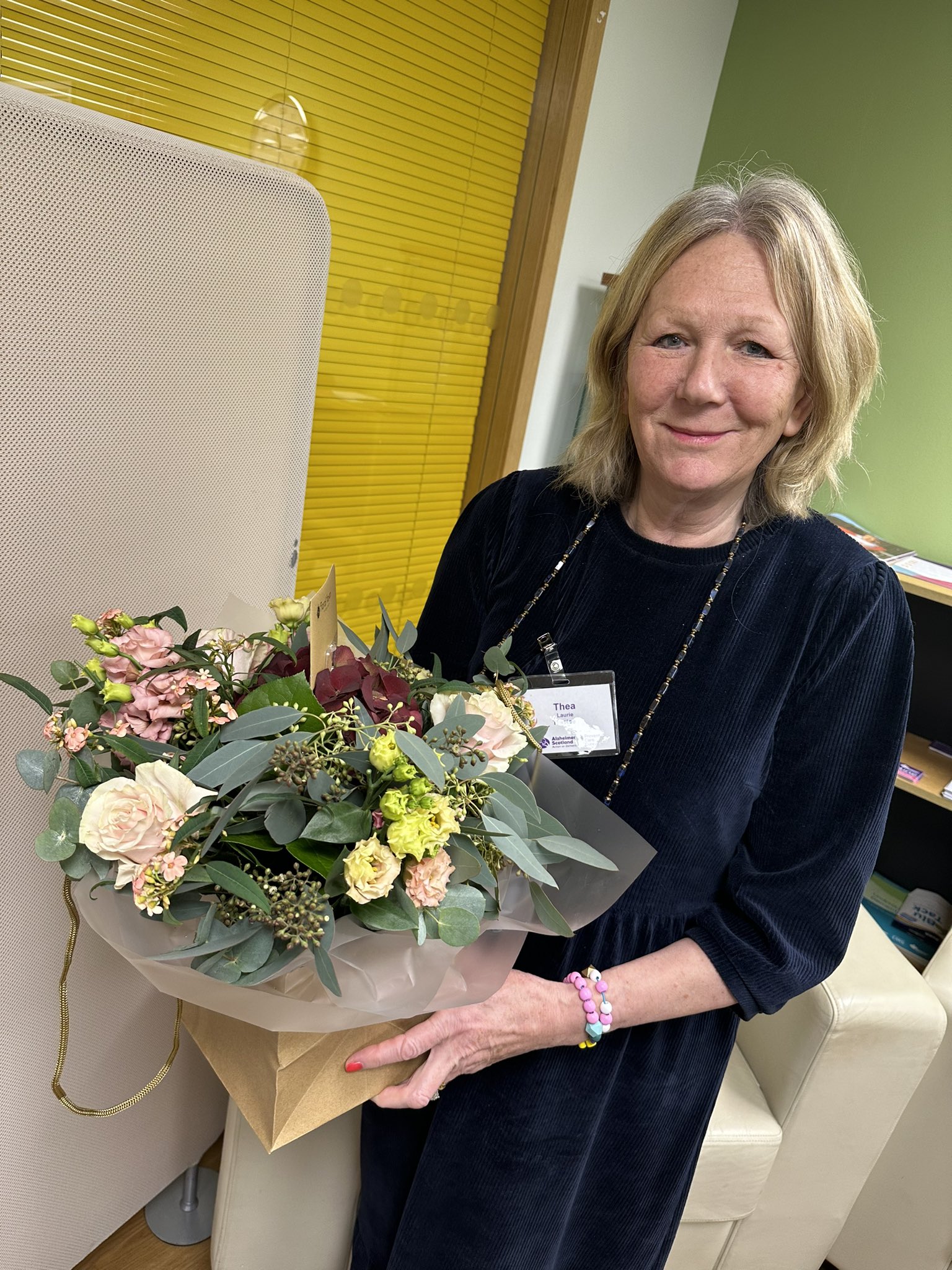
- Written by: Thea Laurie —
- Published: 2nd February 2026

The ALLIANCE’s Women’s Health Lived Experience Group reflect on their input to Phase 2 of the Scottish Government’s Women’s Health Plan.
Both my granny and mum had dementia, so I have a particular interest in women’s brain health. I am a proud member of Alzheimer Scotland’s NDCAN (National Dementia Carers Action Network). Our aims include campaigning and engaging with the Government and Parliament to seek fair dementia care. I was led to join NDCAN due to my own experience of caring for my mum while she lived with dementia.
Women especially are affected by dementia. Two out of three Alzheimer’s patients are women [1], dementia is the leading cause of death for women in Scotland, and it is predominately women (60-70%) who are represented within the high numbers of unpaid carers in Scotland, many supporting loved ones with dementia. [2]
This is why I was excited to join the Lived Experience meetings of the Women’s Health Plan. Being inclusive and breaking down barriers to accessing vital healthcare services and raising awareness is central to the Plan.
My experience of being part of the Lived Experience Stakeholder Group has been eye opening. Being part of the development days has been humbling as we listened to the honest contributions from diverse lived experience campaigners, intent on improving women’s lives. Some of their stories have been shocking and many extremely sad. The common thread is a determination to enhance health care experiences for women across Scotland .
I think the group discussions and presentations were all first class. The debates which deliberated women’s healthy ageing were of keen interest to me and an opportunity to advocate for recognising women’s brain health within the new Plan. It is vital to addressing perhaps the biggest and certainly most overlooked gender health inequality. Including brain health in schools is one way to increase girls’ opportunities to optimise their future health, using the Brain Health Scotland’s STAR programme would be one example of doing this.
Scottish women need to know that there is a clear pathway of dementia care after a dementia diagnosis. We must not postpone or delay the urgency of a clear national plan. The Scottish Women’s Health Plan can be the vehicle to make this happen.

Notes
[1] https://www.nrscotland.gov.uk/media/ieocugs5/dementia-and-alzheimers-deaths-2023-report.pdf
End of page.
You may also like:
A child cannot truly feel safe in a school or community if they do not feel that they belong.
Continue readingFor 20 years, The ALLIANCE has listened to member voices to help protect and improve Scotland's care services.
Continue readingWith the ALISS Customisable Map Tool, organisations can share info about community resources in ways that work for the people they support.
Continue readingIrene Mackintosh, CEO at Mhor Collective shares highlights and hopes for rights in a digital age.
Continue readingIn her latest TFN column, our Chief Officer Sara Redmond reflects on the proposal to collapse Scotland's 14 regional health boards into two.
Continue readingWhen we listen to lived experience, we create better resources, challenge assumptions and help create safer communities for everyone.
Continue readingGozie reflects on supporting citizen engagement, digital inclusion and hopes for the future.
Continue readingDCP member and Project Co-ordinator Esther Misajel shares Pachedu's journey towards digital inclusion.
Continue readingChris Mackie, Director of Digital, reflects on what ALISS has achieved so far this year and shares what is still to come.
Continue readingAt the ALLIANCE and beyond, true and meaningful policy reform means turning people's experiences into lasting action on the ground.
Continue readingGLP-1s can transform health but without adequate wraparound support, weight loss may come at the cost of nutrition, muscle and wellbeing.
Continue readingSheila Duffy, Chief Executive of ASH Scotland, is appealing for support for proposals to restrict tobacco, vapes and nicotine products.
Continue readingBilly McClean reflects on why SCIC26 offers a vital opportunity to learn together, share what works, and shape the future of integrated care
Continue readingTo mark the ALLIANCE's 20 year anniversary Paul Okroj reflects on the importance of supported self management.
Continue readingTo mark Scottish Learning Disability Week (7 - 13 September), Bruce Adamson reflects on this year's call to action.
Continue readingIn her latest TFN column, our Chief Officer Sara Redmond reflects on the current state of social care in Scotland.
Continue readingKicking off September for the ALLIANCE's 20 year anniversary, Grace reflects on the Self Management Programme
Continue readingSara Redmond, ALLIANCE Chief Officer, on the priorities for 2026's Programme for Government.
Continue readingSandra Auld reflects on the ALLIANCE's people focused impact, collaboration, lived experience, campaigns and lasting change in Scotland.
Continue readingMark shares his experience with gambling harms, and how this intersected with the launch of the ALLIANCE's ScotRGH programme in 2020.
Continue readingProfessor Anna Glasier celebrates 20 years of the ALLIANCE and it's vital role in shaping the Women's Health Plan for Scotland.
Continue readingSara Redmond, ALLIANCE Chief Officer, on the challenges faced by community-led health organisations in delivering prevention.
Continue readingAnnie shares her experience of youth politics, and how SAFE has helped her make connections and makes sense of the world of politics.
Continue readingChloe Craig reflects on how we have helped connect Scotland’s lived experience voice to conversations happening beyond our borders.
Continue readingDr Irene Oldfather reflects on two decades of growth, collaboration, and person centred impact across Scotland and beyond.
Continue reading