
No Strings Attached
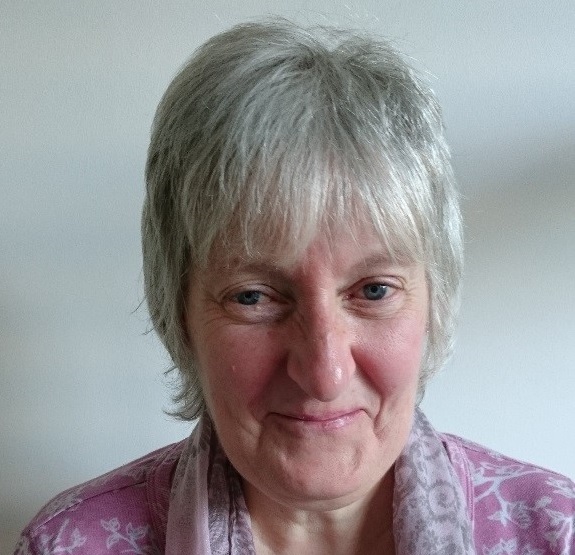
- Written by: Fiona Garrett — — Founder and Director
- Published: 10th September 2018

Continuing stories of ten years since Gaun Yersel: Self Management Strategy for Scotland, Fiona Garrett reflects on what's been achieved.
This year I was invited to attend the 10 year Anniversary Reception for “Gaun Yersel”. Ian Welsh CEO, Alliance Scotland in his opening speech discussed how the healthcare system could look to build a better future and how self management is a key indicator for success. I know this from personal experience and how as a family it totally changed our lives.
Background
I was 36 weeks into my second pregnancy when our daughter was admitted to the then Royal Hospital for Sick Children in Glasgow (RHSC) with an asthma attack.
She was fighting for her life and the doctors spoke to us about the possibility of putting her on a ventilator. It was a terrifying experience and feeling so helpless that we could not do anything. All that we could do was pray that she would get better.
When our daughter was discharged from hospital the only advice we were given was to give our daughter some liquid medicine if she wheezed.
I felt as though we had been thrown in at the deep end as we had no prior knowledge of asthma. Fortunately, there was a poster on the ward of the hospital with a telephone number for a London based charity, National Asthma Campaign (NAC), now known as Asthma U.K.
We contacted them and were so grateful for the support and help we got from this charity, as we got none from our GP. It was through this charity we met with other parents who provided us with peer support. The charity also had a helpline and I was able to speak to a specialist nurse from time to time.
Subsequently, a year after our daughter’s diagnosis of severe asthma I set up a Branch for the charity covering North West Renfrewshire for parents and families.
During this time, the RHSC in Glasgow became our second home as we seemed to spend more time in hospital than at our own house. Asthma totally dominated our lives and our daughter seemed to go from one asthma attack to the next.
Despite attending the RHSC, we were not under the care of a Respiratory Specialist. However, we were referred to one by a new GP who arrived at our surgery. This GP had a special interest in asthma.
The first time I met with the Respiratory Consultant they sat down with me and explained what I was supposed to do if our daughter’s asthma deteriorated. This was all written down for me and explained step by step. It was like “music to my ears” as it was the first time any health professional had ever explained what I was supposed to do. This plan was tailored to our daughter’s needs.
I knew what my limitations were for managing her asthma at home and I was given a number I could phone if I required to speak with someone at the hospital.
For us as a family, it was the difference between night and day as over time the plan fitted into our lives and asthma no longer dominated our lives. Despite having severe asthma our daughter was able to take part in activities such as swimming, dancing and the Gold Duke of Edinburgh Awards and we were able to plan and go on holiday abroad.
I know of other parents who attended the same hospital and when their children were given a written asthma plan, like us, their children spent less time off school and hospital admissions were greatly reduced.
Although our daughter’s asthma did not disappear it was good to be in control to prevent being in an emergency situation where our daughter ended up in A&E. No Parent wants to witness their children in an emergency situation.
For self management to effectively work one needs to have good communication with the person providing the care, and for them to listen and take concerns on board.
Self management is a “key indicator for success” if the health professionals are willing to have a whole system approach. Unless people’s needs are met through self management in partnership, doctors are unlikely to motivate their patients. It is not rocket science, all we need is to be able to work in partnership with our health care providers and to be listened to. Asthma is very individualised, as each person will have different triggers.
Our written plan was flexible and when I explained to the Consultant that our daughter had been symptomatic at a certain stage he changed the plan.
The benefits of such an approach and having a written asthma plan is evidenced from research by Prof Hilary Pinnock (2015), Supported self-management for asthma, Breathe 11:98-109 DOI: 10.1183/20734735.015614
So what are the learning points I have gained over our experience of the last 10 years from all this?
Parents and children, and those who care for or teach them, should be educated about managing asthma. This should include emphasis on “how”, “why” and “when” they should use their asthma medications, recognizing when asthma is not controlled, and knowing when and how to seek emergency advice.
Partnership working and creating pathways that support people’s self management are essential – involving the person and their family but also the third sector. These pathways do not always exist and often one has to find out the information and support from the third sector (if you know where to look in the first place). Support systems are still fragmented and too focused on luck in securing an effective medical support route.
People and family centred care centre are key to successful self management. Far too often I still come across individuals with asthma who do not have an asthma management plan.
Good asthma management care is not just about giving someone a prescription – but about how healthcare professionals use the time with patients to support them, using where appropriate external reputable support systems including the third sector. The third sector plays an important part in the integration of support arrangements.
Patients and their families need to feel motivated to self manage asthma and this can largely depend on GP / patient interaction and the nature of that experience from the patient’s perspective.
People who we meet often do not just have asthma; there are other problems going on in their life such as other health conditions, financial, lifestyle or relationship issues. Asthma may just be the ‘tip of the iceberg’ in some cases and symptomatic of other underlying problems.
My experience is that if patients, families, GP’s and the third sector come together it can improve asthma self management vastly.
Fiona Garrett is Founder and Director of No Strings Attached. An independent charity committed to providing opportunities for young people living with asthma.
End of page.
You may also like:
Billy McClean reflects on why SCIC26 offers a vital opportunity to learn together, share what works, and shape the future of integrated care
Continue readingTo mark the ALLIANCE's 20 year anniversary Paul Okroj reflects on the importance of supported self management.
Continue readingTo mark Scottish Learning Disability Week (7 - 13 September), Bruce Adamson reflects on this year's call to action.
Continue readingIn her latest TFN column, our Chief Officer Sara Redmond reflects on the current state of social care in Scotland.
Continue readingKicking off September for the ALLIANCE's 20 year anniversary, Grace reflects on the Self Management Programme
Continue readingSara Redmond, ALLIANCE Chief Officer, on the priorities for 2026's Programme for Government.
Continue readingSandra Auld reflects on the ALLIANCE's people focused impact, collaboration, lived experience, campaigns and lasting change in Scotland.
Continue readingMark shares his experience with gambling harms, and how this intersected with the launch of the ALLIANCE's ScotRGH programme in 2020.
Continue readingProfessor Anna Glasier celebrates 20 years of the ALLIANCE and it's vital role in shaping the Women's Health Plan for Scotland.
Continue readingSara Redmond, ALLIANCE Chief Officer, on the challenges faced by community-led health organisations in delivering prevention.
Continue readingAnnie shares her experience of youth politics, and how SAFE has helped her make connections and makes sense of the world of politics.
Continue readingChloe Craig reflects on how we have helped connect Scotland’s lived experience voice to conversations happening beyond our borders.
Continue readingDr Irene Oldfather reflects on two decades of growth, collaboration, and person centred impact across Scotland and beyond.
Continue readingDisabled people are some of those who suffer most in crises but are ignored in planning. Our 6-step model builds justice throughout.
Continue readingMaisie Peebles shares her experience working with Aberdeenshire Public Health Team on a ‘digital conversations’ project.
Continue readingSara Redmond, ALLIANCE Chief Officer, on why the Scottish Government and parties must seize the opportunity for change.
Continue readingDirector of the Links programme, Roseann, discusses why we need to focus on person centred care, and why the programme is central to this.
Continue readingReflections on the ALLIANCE Integration in Action: Inclusive Leadership event.
Continue readingWhat does The Scottish Report tell us about how we're supporting people with inflammatory mediated autoimmune conditions (IMIDs)?
Continue readingAvril McLean from Action from ME shares new resources designed to support professionals understand the impact of ME on people's lives.
Continue readingMandy Wright from Home Energy Scotland shares how partnerships positively impact their work.
Continue readingToo many young people are falling through the mental health support gap. How do we fix the "Missing Middle"?
Continue readingJoe McCready from Carers UK shares how important their annual survey is, and why it is invaluable for unpaid carers to have their say.
Continue readingColette reflects on the last 12 years of the Community Links Worker programme, as well as her own experience of being a CLW.
Continue readingWith the current World Cup, gambling presents an even higher risk. How can we prevent young people from getting tangled in this web?
Continue reading