
Reducing stigma around mental health
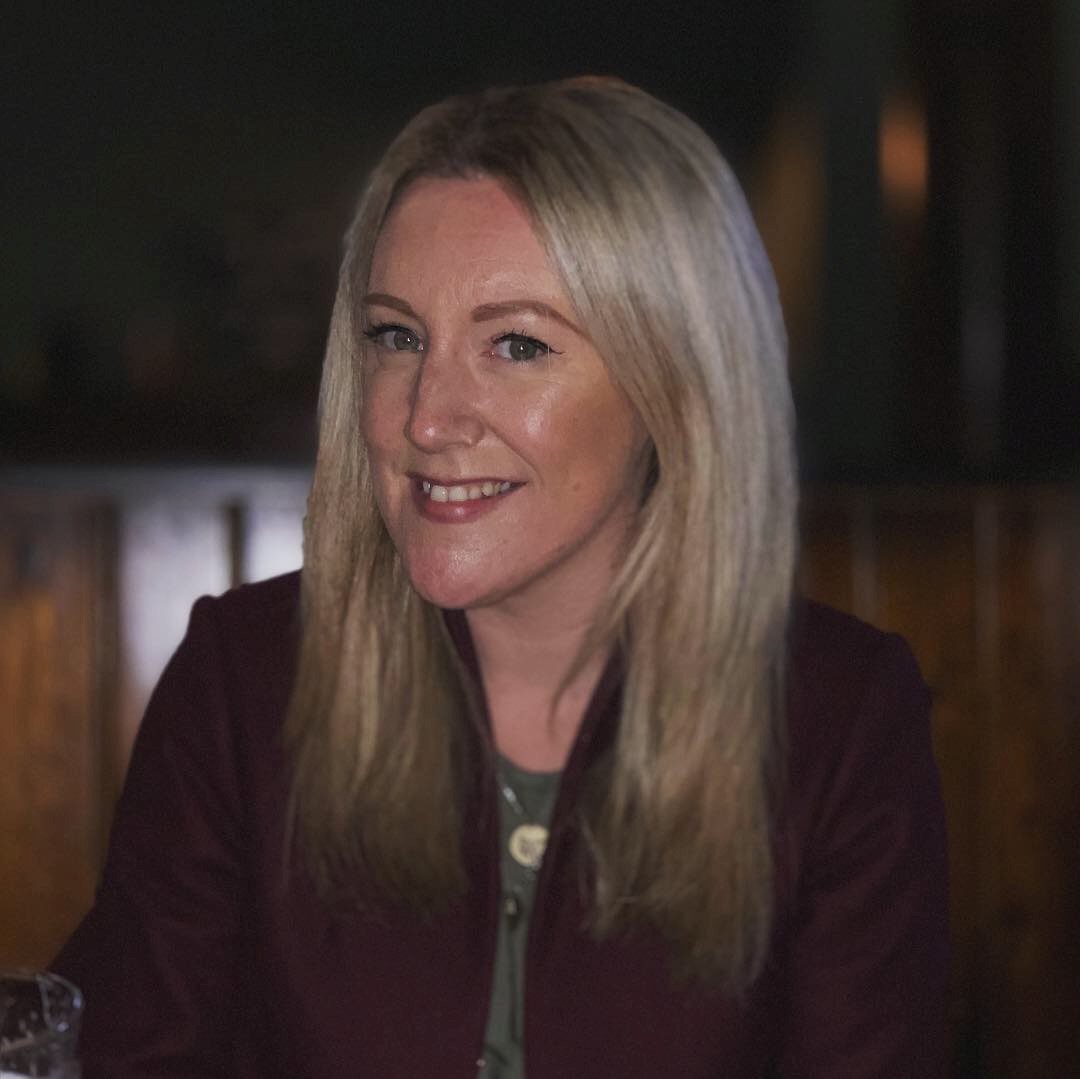
- Written by: Michelle Stebbings — Gambling with Lives — Head of Outreach and Engagement
- Published: 16th June 2021

Michelle from Gambling with Lives, shares her thoughts on the ALLIANCE Annual Conference session Reducing stigma, emphasising humanity.
At the ALLIANCE Annual Conference last week we heard from a number of guest speakers on the topic of stigma in relation to mental health. Importantly, the focus was on what could be done to reduce this stigma and help people access the help and support they need.
As a professional who has worked in outreach and engagement for a number of national charities over a number of years, I have considered stigma in this way before; how can we bring down the very real barriers that prevent people from reaching out?
At Gambling with Lives we support families who’ve been bereaved by gambling-related suicide. Research has found that 4 to 11 percent of suicides are related to gambling, the equivalent of up to 650 deaths a year in the UK. Our aim is to raise awareness amongst gamblers, their families and friends, and health professionals of the dangerous effects of gambling on mental health and the high suicide risk.
From a suicide prevention point of view, the message is clear: as a society we must learn to talk about mental health, ask about suicide, encourage normalisation and think about how we talk about suicide. But that’s only a tiny part of the problem. We heard from Tommy Kelly and Martin Paterson who have both lived through mental health crises. In both cases there was a void where appropriate and timely intervention should have been. A desire to help but a lack of genuine empathy and appropriate skills prevented Martin and Tommy from getting the right help at the right time.
What was asked of us to consider was why suicide rates are not reducing and people living with mental health conditions are dying younger despite all the efforts of the last 20 years. Perhaps because a piece of the puzzle is still missing? Quite possibly. Reducing stigma, it was said, must therefore go further than addressing cultural attitudes and include a public health approach – a more representative workforce, health leadership that is committed to inclusion, and policy change.
Martin who is now in recovery from a lengthy gambling addiction spoke of his shame and guilt, which challenged us to think about self-stigma. To reduce this, at Gambling with Lives we challenge the “responsible gambling” narrative popular with the gambling industry that puts all the emphasis on the individual. We help people to realise they have also been the victim of dangerous gambling products, predatory practices from gambling firms as well as relentless advertising.
Poignantly, Tommy told us that while stigma exists, mental health does not discriminate and so we all have a vested interest in normalising mental health and creating safety for those in need of help and support.
It is possible to recover. We see this in Tommy and Martin, and we are not without ideas. My three take-aways are:
- Cultural and attitudinal change is needed
- Development of a more empathic response among treatment providers that values the inclusion of lived experience is vital
- Ideas work better when added together than they do in isolation
Gambling with Lives was set up by the families and friends of young people who had taken their own lives as a direct result of gambling. The charity’s research indicates there are between 250 and 650 gambling related suicides every year in the UK: a minimum of one every working day. You can find out more on Gambling with Lives’ website (this link will take you away from our website).
Gambling with Lives offers a range of specialist support services for families bereaved by gambling related suicide. If your family has been affected please make contact at info@gamblingwithlives.org (this link will take you away from our website).
End of page.
You may also like:
Irene Mackintosh, CEO at Mhor Collective shares highlights and hopes for rights in a digital age.
Continue readingIn her latest TFN column, our Chief Officer Sara Redmond reflects on the proposal to collapse Scotland's 14 regional health boards into two.
Continue readingWhen we listen to lived experience, we create better resources, challenge assumptions and help create safer communities for everyone.
Continue readingGozie reflects on supporting citizen engagement, digital inclusion and hopes for the future.
Continue readingDCP member and Project Co-ordinator Esther Misajel shares Pachedu's journey towards digital inclusion.
Continue readingChris Mackie, Director of Digital, reflects on what ALISS has achieved so far this year and shares what is still to come.
Continue readingAt the ALLIANCE and beyond, true and meaningful policy reform means turning people's experiences into lasting action on the ground.
Continue readingGLP-1s can transform health but without adequate wraparound support, weight loss may come at the cost of nutrition, muscle and wellbeing.
Continue readingSheila Duffy, Chief Executive of ASH Scotland, is appealing for support for proposals to restrict tobacco, vapes and nicotine products.
Continue readingBilly McClean reflects on why SCIC26 offers a vital opportunity to learn together, share what works, and shape the future of integrated care
Continue readingTo mark the ALLIANCE's 20 year anniversary Paul Okroj reflects on the importance of supported self management.
Continue readingTo mark Scottish Learning Disability Week (7 - 13 September), Bruce Adamson reflects on this year's call to action.
Continue readingIn her latest TFN column, our Chief Officer Sara Redmond reflects on the current state of social care in Scotland.
Continue readingKicking off September for the ALLIANCE's 20 year anniversary, Grace reflects on the Self Management Programme
Continue readingSara Redmond, ALLIANCE Chief Officer, on the priorities for 2026's Programme for Government.
Continue readingSandra Auld reflects on the ALLIANCE's people focused impact, collaboration, lived experience, campaigns and lasting change in Scotland.
Continue readingMark shares his experience with gambling harms, and how this intersected with the launch of the ALLIANCE's ScotRGH programme in 2020.
Continue readingProfessor Anna Glasier celebrates 20 years of the ALLIANCE and it's vital role in shaping the Women's Health Plan for Scotland.
Continue readingSara Redmond, ALLIANCE Chief Officer, on the challenges faced by community-led health organisations in delivering prevention.
Continue readingAnnie shares her experience of youth politics, and how SAFE has helped her make connections and makes sense of the world of politics.
Continue readingChloe Craig reflects on how we have helped connect Scotland’s lived experience voice to conversations happening beyond our borders.
Continue readingDr Irene Oldfather reflects on two decades of growth, collaboration, and person centred impact across Scotland and beyond.
Continue readingDisabled people are some of those who suffer most in crises but are ignored in planning. Our 6-step model builds justice throughout.
Continue readingMaisie Peebles shares her experience working with Aberdeenshire Public Health Team on a ‘digital conversations’ project.
Continue readingSara Redmond, ALLIANCE Chief Officer, on why the Scottish Government and parties must seize the opportunity for change.
Continue reading