
Right Design for Communication
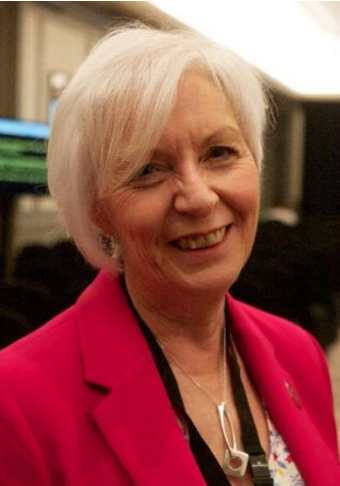
- Written by: Janis McDonald — — Chief Executive
- Published: 19th April 2021
Find out how deafscotland adapted their activity during COVID-19 and are now on the road to transition as part of The Scottish Sensory Hub.
Just over a year ago, deafscotland had to cancel its annual conference “Right Design for Communication” and focus its work on the COVID-19 pandemic response. We quickly called it the “communication virus” as our understanding of the virus deepened and its impact broadened. The virus itself attacked people’s very breath and ability to speak. A fundamental part of being human.
The speedy onset of mitigating factors such as keeping a physical distance and using face coverings challenged people affected by deafness and others with communication barriers. It heightened existing isolation, loneliness, fear and anxiety. This worsened the risks for people already badly affected by poor mental health.
While we rapidly moved away from our planned work to focus on partnership support to public bodies and our membership, working on guidance and exemptions to assist our people, we also welcomed the emphasis on the quality, breadth and content of communications that emerged through the review process. Through regular survey work we shared best practice and new learning.
Surprisingly, all the learning from the phases of the pandemic have led us back to where we were this time last year: promoting the social model of disability, raising awareness of deaf issues and seeking a range of socio-economic solutions to the barriers our people face. The need for accessible information has never been greater. Understanding the dynamic process of Inclusive Communication is growing and has reached the Programme for Government. The pandemic learning has reinforced our arguments.
On a practical level, our partnership with the ALLIANCE is now delivering a short programme of relevant topics based on the plenary sessions from that conference. Kathy Li discusses work she is involved with as a founding member of “Missing in Architecture, a collective involved in meaningful ways to tackle design for disability. Brian McArthur from AMP Architects gives practical examples of collaborative design and Lorna Stephenson from BT outlines big picture services for inclusion and choice using digital services and innovations towards equality. Finally, Tony Murphy from Phonak looks at Assistive Technology and specialist service developments.
Practical, technical and digital solutions are as important as each individual who will benefit from them.
Over the course of the pandemic, we have been involved in Equality and Human Rights Impact Assessment processes, redesign and expansion of statutory services and collaborative approaches to engagement and consultation. Understanding the environmental and economic barriers and potential solutions have helped strengthen our contributions. Greater investment in communication and language skills, building resources and industry that promote and support communication and language too. Recognising that socio-economic and cultural rights require an emphasis on communication and language accessibility, we are now in the process of finding partners who will help develop further social change.
That has led us to work with the ALLIANCE, the Scottish Council on Visual Impairment and the Scottish Government on a new centre of excellence – The Scottish Sensory Hub – that will jointly capitalise on recent gains and sustain the pressure for permanent change.
Watch the full collection of recordings from ‘Right Design for Communication’:
- Kathy Li, Leader for Undergraduate Studies, Glasgow School of Art (this link will take you away from our website)
- Brian MacArthur, Director, AMP Architects (this link will take you away from our website)
- Kevin White, Head of Digital Accessibility for Scottish Government (this link will take you away from our website)
- Tony Murphy, Wireless Technology Specialist, Phonak (this link will take you away from our website)
- Lorna Stephenson, Team Leader for Voice Services, BT (this link will take you away from our website)
End of page.
You may also like:
Sheila Duffy, Chief Executive of ASH Scotland, is appealing for support for proposals to restrict tobacco, vapes and nicotine products.
Continue readingBilly McClean reflects on why SCIC26 offers a vital opportunity to learn together, share what works, and shape the future of integrated care
Continue readingTo mark the ALLIANCE's 20 year anniversary Paul Okroj reflects on the importance of supported self management.
Continue readingTo mark Scottish Learning Disability Week (7 - 13 September), Bruce Adamson reflects on this year's call to action.
Continue readingIn her latest TFN column, our Chief Officer Sara Redmond reflects on the current state of social care in Scotland.
Continue readingKicking off September for the ALLIANCE's 20 year anniversary, Grace reflects on the Self Management Programme
Continue readingSara Redmond, ALLIANCE Chief Officer, on the priorities for 2026's Programme for Government.
Continue readingSandra Auld reflects on the ALLIANCE's people focused impact, collaboration, lived experience, campaigns and lasting change in Scotland.
Continue readingMark shares his experience with gambling harms, and how this intersected with the launch of the ALLIANCE's ScotRGH programme in 2020.
Continue readingProfessor Anna Glasier celebrates 20 years of the ALLIANCE and it's vital role in shaping the Women's Health Plan for Scotland.
Continue readingSara Redmond, ALLIANCE Chief Officer, on the challenges faced by community-led health organisations in delivering prevention.
Continue readingAnnie shares her experience of youth politics, and how SAFE has helped her make connections and makes sense of the world of politics.
Continue readingChloe Craig reflects on how we have helped connect Scotland’s lived experience voice to conversations happening beyond our borders.
Continue readingDr Irene Oldfather reflects on two decades of growth, collaboration, and person centred impact across Scotland and beyond.
Continue readingDisabled people are some of those who suffer most in crises but are ignored in planning. Our 6-step model builds justice throughout.
Continue readingMaisie Peebles shares her experience working with Aberdeenshire Public Health Team on a ‘digital conversations’ project.
Continue readingSara Redmond, ALLIANCE Chief Officer, on why the Scottish Government and parties must seize the opportunity for change.
Continue readingDirector of the Links programme, Roseann, discusses why we need to focus on person centred care, and why the programme is central to this.
Continue readingReflections on the ALLIANCE Integration in Action: Inclusive Leadership event.
Continue readingWhat does The Scottish Report tell us about how we're supporting people with inflammatory mediated autoimmune conditions (IMIDs)?
Continue readingAvril McLean from Action from ME shares new resources designed to support professionals understand the impact of ME on people's lives.
Continue readingMandy Wright from Home Energy Scotland shares how partnerships positively impact their work.
Continue readingToo many young people are falling through the mental health support gap. How do we fix the "Missing Middle"?
Continue readingJoe McCready from Carers UK shares how important their annual survey is, and why it is invaluable for unpaid carers to have their say.
Continue readingColette reflects on the last 12 years of the Community Links Worker programme, as well as her own experience of being a CLW.
Continue reading