
“Self-management has made life bearable again, but it’s impossible without money”
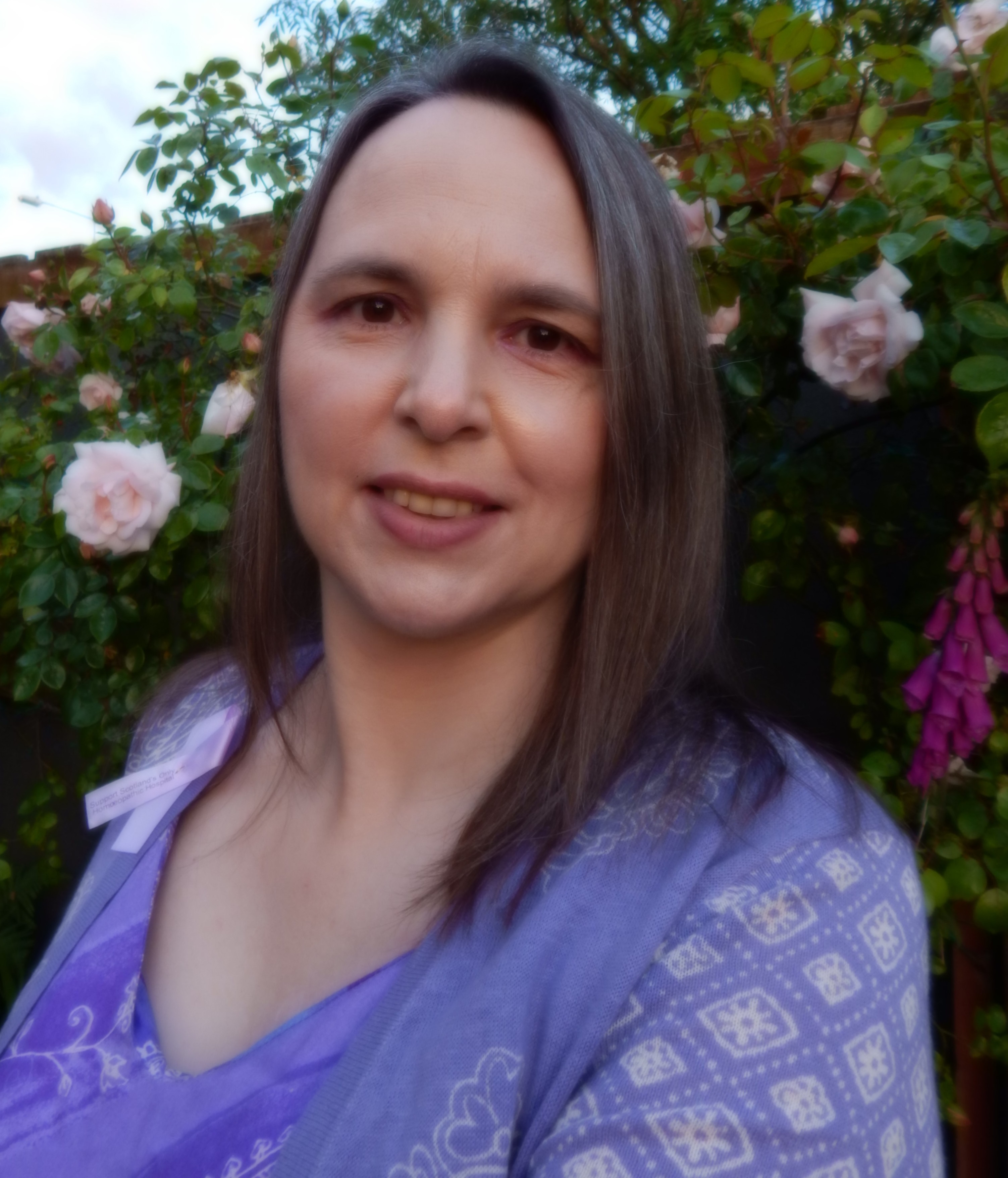
- Written by: Catherine Hughes — The ALLIANCE — Involvement Network Member
- Published: 10th October 2019

Activist and former healthcare professional Catherine argues that people on low incomes need financial support to manage their health.
In a compassionate society we all expect our NHS will be there for us in our time of need. However, for some, the costs of living with health issues is a burden. Reducing these costs could make a real difference – helping people to improve their quality of life and maximise their opportunities and potential.
People living with long term conditions and those who are unpaid carers are particularly at risk of being swept up by the rising tide of poverty.
Life is very unpredictable and anyone at any age can be dealt a blow to their plans and dreams and can find themselves struggling to stay afloat. It is particularly difficult and costly if you develop health issues that affect your ability to continue in paid employment and have to negotiate the benefits system.
This week the Health and Social Care Alliance Scotland celebrates Self-Management Week and the Poverty Alliance encourages us to think about the solutions to poverty during Challenge Poverty Week (this link will take you away from our website). It has made me reflect on many of the issues that can be associated with health and poverty and in particular some of the issues that people may experience trying to self manage.
I have several complex long term conditions that have been difficult for health professionals to treat and I have fortunately learned to self manage many of my conditions over the 30 years since I was initially diagnosed. I experienced the grief and many frustrations of having my dreams shattered as I could no longer continue in employment as a health professional which was something that I had worked extremely hard to achieve.
I was successfully helped by the dedicated hospital staff at the NHS Centre for Integrative Care (this link will take you away from our website) where I was empowered by being taught the various holistic skills that I needed to help me to better self manage my conditions. The medications that are normally prescribed for my conditions gave me serious side-effects so I was taken off them. As a direct result of using holistic methods, since being diagnosed 30 years ago, I estimate that I have saved the NHS in excess of £250,000 as I’ve cumulatively only been on the medications for 12 and half weeks. I had previously spent over a year in hospital in total as an inpatient and I have now not been in hospital as inpatient since 2008. Most importantly, self management has made my life more bearable as many others also testify to.
Self management, however, costs money and at present in Scotland although there is Self-directed Support many people are not eligible and there is not a fund to help people personally fund their self care.
Despite having several incurable conditions my wellbeing and health is important to me and over the years I have spent a considerable five figure sum towards self managing my health and improving my overall wellbeing. In doing so, I have had to make many sacrifices as I struggle with limited means due to being confined by the shackles of poverty. I have not been on holiday for over 11 years and can’t participate in many of the opportunities that others can take for granted. I make choices daily trying to prioritise my wellbeing. It would be easier if a universal basic income was available to everyone, if people received the support they were entitled to and if social security benefits were enough to meet people’s needs.
It is costly eating the foods that my consultant recommended to help manage my auto-immune conditions and serious digestive disorder. The vitamins and supplements advised by my health professionals are not available on the NHS and are costly. Many other tools were prohibitive in the long-term such as Tai-Chi which was recommended due to my joint and balance issues and has many other benefits to help improve my general health and wellbeing.
It is time for a rethink. We all deserve to live a dignified life free from the grip and worry of poverty so that we can all fulfil our potential. The Scottish Government support ‘Realistic Medicine’ and want to encourage shared decision making with health professionals to maximise our wellbeing and see self management as important. However, we must ensure that people have access to adequate financial resources and support them in this endeavour so they are able to embrace self management.
In the UK our healthcare is supposed to be free but there are many additional costs that can cause people to fall further into debt and be prohibitive. It was welcomed when prescription costs were eradicated in Scotland, particularly for those requiring multiple medications. ‘Realistic Medicine’ advocates reducing many medications and aims for people to utilise a range of holistic approaches and to be more involved in their healthcare and self-management. However, to do so effectively adequate funding needs to be available. If our NHS is to benefit from the cost savings that result from people self managing like I have, and if health inequalities are to be effectively addressed, individuals must be able to access a personal self-management fund that will help them to participate in the self-management approaches advocated by their health professionals. This will be a small sum for our Government to pay given the many benefits to people’s health and wellbeing, our NHS, and our society as a whole as people will then be able to fulfil their potential.
I believe the access to a personal self management funding would be beneficial. Do you have any suggestions that will encourage more people to self manage and help to address the concerning rising numbers of people affected by poverty?
End of page.
You may also like:
Dr Anthony McMahon reflects on the importance of the Community Links Worker within his GP surgery - and why it makes all the difference.
Continue readingAs part of our 20 year anniversary, the Integration Team highlight the importance of our Connected Communities series.
Continue readingTo mark ‘What matters to you?’ Day, The ALLIANCE's Barbara Flynn considers the impact of Tommy Whitelaw’s talks for nurses and midwives.
Continue readingThe ALLIANCE’s Humans of Scotland project works to challenge stigma.
Continue readingIn her latest TFN column, our Chief Officer Sara Redmond reflects on post election feelings and Scotland’s future.
Continue readingALLIANCE Chief Officer, Sara Redmond, reflects on our Annual Conference 2026 and how we're turning hope into action.
Continue readingALLIANCE member, Catherine, shares the importance of initiatives like 'What Matters To You?' Day in promoting person centred care.
Continue readingLearn about how the ALLIANCE has championed joined-up, person centred care.
Continue readingDementia Action Week highlighted some great resources and support for people living with dementia and their family, friends, and carers.
Continue readingSteven Mair gives us an insight into his role as a gamer at the Glasgow Children’s Hospital Charity.
Continue readingSince 2009, ALISS has helped people find local health and wellbeing support. Any group, big or small, can add their information.
Continue readingThe new Scottish Government must turn promises into action to improve hospice and palliative care
Continue readingTogether, we can create lasting change for everyone living with Crohn’s or Colitis.
Continue readingFind out more about these digital self management tools and how to get in touch to arrange an information session.
Continue readingOur Chief Officer Sara Redmond addresses recent commentary on the relationship between Government and the Third Sector.
Continue readingCornell explores how we can build an environmental human rights-based culture
Continue readingLouise Coupland, Digital Health and Social Care Programme Manager shares her opinions on the national roll out of MyCare.scot.
Continue readingChris Mackie, Director of Digital, looks back at how ALISS has developed, grown, and innovated over time.
Continue readingCrohn’s and Colitis care in Scotland is at a pivotal moment. Urgent action is needed to tackle delays and poor access to vital services
Continue readingThe ALLIANCE’s Lewis Shaw reflects on the importance of rehabilitation support.
Continue readingIsabella Goldie of Deafblind Scotland reflects on the value of partnership work.
Continue readingFind out more about the inaugural Power of Attorney Day taking place on 22 April 2026.
Continue readingDr Hannah Tweed reflects on 20 years of the Scottish Sensory Hub, the important work they do and why it matters.
Continue readingAs part of our 20 year anniversary, Kerry shares her reflections on how far the ALLIANCE has come, our achievements, and our impact.
Continue readingIn her latest TFN column, our Chief Officer Sara Redmond reflects on 20 years since Scotland moved to put children at the centre of policy.
Continue reading