
The views of an integration authority patient representative
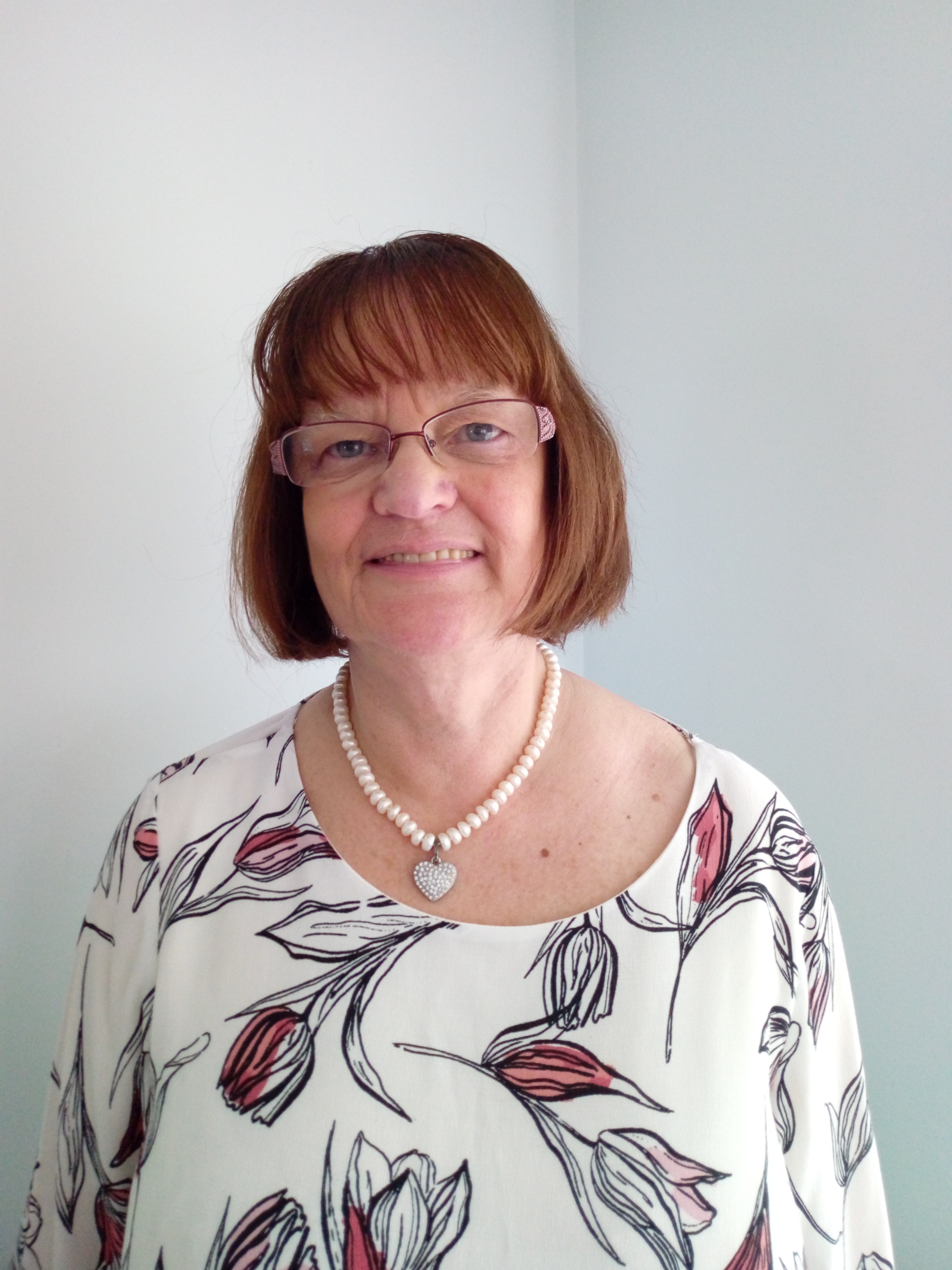
- Written by: Margaret Montcrieff — South Lanarkshire Health and Social Care Forum — Chair
- Published: 17th June 2018
Margaret shares what's working well, what isn't working well, and what could help make things work better.
As the Public Bodies (Joint Working) (Scotland) Act 2014 did not have a legal obligation to include the Public Partnership Forum – only stating that there should be a patient representative on the Integrated Joint Board – I felt it was important that this representative was supported by a strong organisation.
To this end, the then Public Partnership Forum began work, facilitated by Scottish Social Services Council (SSSC) and NHS Education Scotland (NES) and supported by the South Lanarkshire Health and Social Care Partnership (SLHSCP) Organisational Development Team, to set about responding to the new arrangements brought by the Act. This resulted in the change of name for the Forum to send a clear message that their role had changed to include social care.
The Forum then produced a new Working Agreement and associated papers and the Working Agreement was signed by Val De Souza, Director and Chief Officer, SLHSCP, Calum Campbell, Chief Executive, NHS Lanarkshire, and myself as the Chair of the South Lanarkshire Health and Social Care Forum.
Following a report to the Integrated Joint Board (IJB), the Forum was appointed as the “Community’s Voice” for this work.
What is working well
Integration has encouraged more “partnership working” with many more joint health and social care initiatives. In South Lanarkshire, the Integrated Community Support Team consists of health and social care staff who support patients to remain in their own communities and offer a coordinated approach to their care. There is a similar approach with the service provided by the Hospital at Home Team, preventing hospital admissions and enabling patients to remain at home even when they have high care needs.
Integration has also encouraged more joint training between health and social care staff and enabled them to have a better understanding of how they work together. Training for IJB members has also offered them a better understanding of their individual roles and responsibilities; a shared understanding of integration; and how the IJB’s work relates to the Health Board and the Council. Forum members have also had the opportunity to participate in joint training where appropriate.
The Forum’s members involvement in the Building and Celebrating Community events throughout South Lanarkshire; the Strategic Commissioning Planning process; the Locality Planning Groups; the implementation of the new GP Contract; and many other initiatives have ensured that the public have a meaningful voice in truly influencing the planning and consultation process.
I initially had concerns that my voice would not be valued as I did not have any voting rights, however this has not materialised. Instead, senior staff within the Partnership have promoted our involvement in this process resulting in discussions taken at IJB meetings that have made a change in process and support for patients in several sensitive situations.
An initial protocol has been agreed for issues and concerns from the community to be “fed into” the integration process and for the Partnership to cascade information to Forum members. Following a gap analysis, it was highlighted that the Forum has a circulation of almost 100,000 people which is almost a third of the population of South Lanarkshire.
What is not working
My main concern is the uncertainty of funding and support for unpaid carers due to:
- The responsibility changing from one NHS Board to two Partnership Boards, one of which is currently undergoing a commissioning process especially when most of the care for unpaid carers is provided by a carers organisation which covers both Partnership areas.
- The development of a Community Capacity Building and Carers Support Strategy in North Lanarkshire that does not take account of the major role of the Lanarkshire-wide Carer Organisation.
- The increased workload associated with the implementation of the Carers (Scotland) Act 2016.
I hope most of these issues can be resolved soon to enable the focus to be on taking forward the recommendations in the Carers Act and ultimately providing a better a more coordinated service to unpaid carers.
What would work, if only we could…
- Have more finance
- Improve communications by all involved in this process, including between patients, carers and staff and between staff from the same or other organisations
- Decrease the time to implement packages of care
- Have a system for all patients and carers to enable them to access one person who could coordinate all their care services instead of having to give the same details to various members of staff
- Have an IT system that covered primary care, health and social care
- Build trust between the statutory, voluntary and independent organisations.
I believe we are on the right track, however there is still a lot of work to do to encourage the integration process across all services, staff and the public. To promote change is a challenge, but all involved have an important role to play in promoting this approach.
Further information is available at www.slhscp.org.uk (This link will take you away from our website), with a link to “Get Involved” for more information on the South Lanarkshire Health and Social Care Forum.
Margaret’s Opinion is part of the ALLIANCE’s ‘We Need To Talk About Integration’ anthology which is available at the link below.
End of page.
You may also like:
Sheila Duffy, Chief Executive of ASH Scotland, is appealing for support for proposals to restrict tobacco, vapes and nicotine products.
Continue readingBilly McClean reflects on why SCIC26 offers a vital opportunity to learn together, share what works, and shape the future of integrated care
Continue readingTo mark the ALLIANCE's 20 year anniversary Paul Okroj reflects on the importance of supported self management.
Continue readingTo mark Scottish Learning Disability Week (7 - 13 September), Bruce Adamson reflects on this year's call to action.
Continue readingIn her latest TFN column, our Chief Officer Sara Redmond reflects on the current state of social care in Scotland.
Continue readingKicking off September for the ALLIANCE's 20 year anniversary, Grace reflects on the Self Management Programme
Continue readingSara Redmond, ALLIANCE Chief Officer, on the priorities for 2026's Programme for Government.
Continue readingSandra Auld reflects on the ALLIANCE's people focused impact, collaboration, lived experience, campaigns and lasting change in Scotland.
Continue readingMark shares his experience with gambling harms, and how this intersected with the launch of the ALLIANCE's ScotRGH programme in 2020.
Continue readingProfessor Anna Glasier celebrates 20 years of the ALLIANCE and it's vital role in shaping the Women's Health Plan for Scotland.
Continue readingSara Redmond, ALLIANCE Chief Officer, on the challenges faced by community-led health organisations in delivering prevention.
Continue readingAnnie shares her experience of youth politics, and how SAFE has helped her make connections and makes sense of the world of politics.
Continue readingChloe Craig reflects on how we have helped connect Scotland’s lived experience voice to conversations happening beyond our borders.
Continue readingDr Irene Oldfather reflects on two decades of growth, collaboration, and person centred impact across Scotland and beyond.
Continue readingDisabled people are some of those who suffer most in crises but are ignored in planning. Our 6-step model builds justice throughout.
Continue readingMaisie Peebles shares her experience working with Aberdeenshire Public Health Team on a ‘digital conversations’ project.
Continue readingSara Redmond, ALLIANCE Chief Officer, on why the Scottish Government and parties must seize the opportunity for change.
Continue readingDirector of the Links programme, Roseann, discusses why we need to focus on person centred care, and why the programme is central to this.
Continue readingReflections on the ALLIANCE Integration in Action: Inclusive Leadership event.
Continue readingWhat does The Scottish Report tell us about how we're supporting people with inflammatory mediated autoimmune conditions (IMIDs)?
Continue readingAvril McLean from Action from ME shares new resources designed to support professionals understand the impact of ME on people's lives.
Continue readingMandy Wright from Home Energy Scotland shares how partnerships positively impact their work.
Continue readingToo many young people are falling through the mental health support gap. How do we fix the "Missing Middle"?
Continue readingJoe McCready from Carers UK shares how important their annual survey is, and why it is invaluable for unpaid carers to have their say.
Continue readingColette reflects on the last 12 years of the Community Links Worker programme, as well as her own experience of being a CLW.
Continue reading