
When kindness is not enough
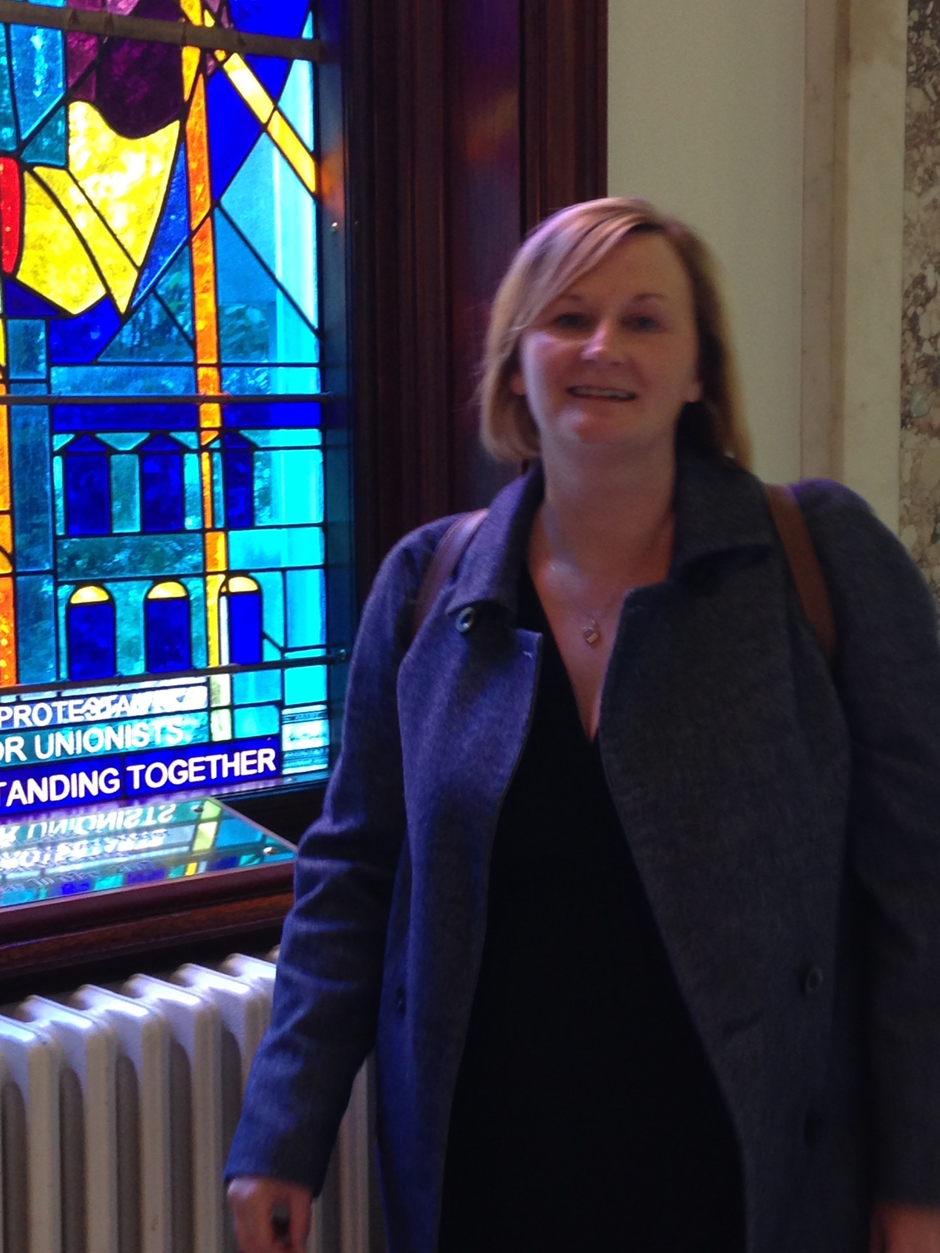
- Written by: Lynn Williams — — Unpaid carer
- Published: 12th February 2020
Lynn reflects on the need to move beyond kind words if Scotland is to truly become a compassionate, progressive country.
When I was approached to write this piece for the Carer Voices project, I was asked to consider kindness and love in relation to care and caring. I reflected back on previous blogs where I highlighted the importance of kindness and humanity in public services – and how this is often missing when carers seek help or even when they reach crisis.
Of course, I can say the same thing again, because nothing has really changed for carers. Harsh? Perhaps. However, the recent JRF Poverty report (this link will take you away from our website) says otherwise. Lack of affordable and accessible housing, the decimation of social care and a fragmented benefits system leave families isolated, destitute and with reduced life expectancy. Unpaid carers and people with disabilities are at greater risk of being left well behind.
If you listened to the words of our politicians here in Scotland, you would think that we are different – that Scotland is progressive, caring and compassionate. And I think the intention to create that kind of country is genuinely there.
We hear talk of a wellbeing economy, of a social contract which lifts people when they need to be lifted. We see human rights principles contained within the National Performance Framework. Of course, this is to be welcomed. But warm words don’t help when you are isolated and alone, when the care and support you need to stay safe overnight is being removed; when you have to choose between paying for support to help you get out and participate in your community or paying your rent. Warm words don’t help when you cannot use your respite budget in ways which work for you; they cease to have any meaning when you have to sit in a soulless waiting room crying out for help for your disabled child and you have reached breaking point.
Kindness is a lovely concept – and my husband and I have experienced this first hand on many occasions. My GP passing me a hankie and listening quietly as I break down due to the pressure of caring; the consultant who listens to my husband and tries to adapt treatment to ensure it is accessible.
I have also experienced the very opposite – and that’s where I come back to what I have written previously. Because we are no further forward. We continue as a country to devalue unpaid care and to treat people with disabilities as less than human. Where is kindness in this scenario?
Like many carers, I have lost trust in our political system – carers’ voices are rarely listened to. Not one political party in Scotland truly understands the complexity of what we have here – of the multiple factors colliding to create chaos and poverty and family breakdown. And some of the analyses of poverty miss out key elements such as the impact of care charging and the loss of invaluable care and support.
So, my message as we approach Valentine’s day is not one of hope, or love – because until we are TRULY honest about the kind of country we are just now, there cannot be hope.
HOWEVER, I really don’t want to finish on such a depressing note. Because last week, we had the report of the Independent Care Review (this link will take you away from our website). As cynical as I am, the report and the review process both act as beacons, shining a light on how we might create a better, fairer and more compassionate country.
By listening to care experienced children, recommendations for change were grounded in reality and founded on love and kindness. If only government policy was created this way, at every level of Government, we might stand a change of being the kind of country so many of us hope for.
I’ll hang onto that hope for now.
End of page.
You may also like:
Gozie reflects on supporting citizen engagement, digital inclusion and hopes for the future.
Continue readingDCP member and Project Co-ordinator Esther Misajel shares Pachedu's journey towards digital inclusion
Continue readingChris Mackie, Director of Digital, reflects on what ALISS has achieved so far this year and shares what is still to come.
Continue readingAt the ALLIANCE and beyond, true and meaningful policy reform means turning people's experiences into lasting action on the ground.
Continue readingGLP-1s can transform health but without adequate wraparound support, weight loss may come at the cost of nutrition, muscle and wellbeing.
Continue readingSheila Duffy, Chief Executive of ASH Scotland, is appealing for support for proposals to restrict tobacco, vapes and nicotine products.
Continue readingBilly McClean reflects on why SCIC26 offers a vital opportunity to learn together, share what works, and shape the future of integrated care
Continue readingTo mark the ALLIANCE's 20 year anniversary Paul Okroj reflects on the importance of supported self management.
Continue readingTo mark Scottish Learning Disability Week (7 - 13 September), Bruce Adamson reflects on this year's call to action.
Continue readingIn her latest TFN column, our Chief Officer Sara Redmond reflects on the current state of social care in Scotland.
Continue readingKicking off September for the ALLIANCE's 20 year anniversary, Grace reflects on the Self Management Programme
Continue readingSara Redmond, ALLIANCE Chief Officer, on the priorities for 2026's Programme for Government.
Continue readingSandra Auld reflects on the ALLIANCE's people focused impact, collaboration, lived experience, campaigns and lasting change in Scotland.
Continue readingMark shares his experience with gambling harms, and how this intersected with the launch of the ALLIANCE's ScotRGH programme in 2020.
Continue readingProfessor Anna Glasier celebrates 20 years of the ALLIANCE and it's vital role in shaping the Women's Health Plan for Scotland.
Continue readingSara Redmond, ALLIANCE Chief Officer, on the challenges faced by community-led health organisations in delivering prevention.
Continue readingAnnie shares her experience of youth politics, and how SAFE has helped her make connections and makes sense of the world of politics.
Continue readingChloe Craig reflects on how we have helped connect Scotland’s lived experience voice to conversations happening beyond our borders.
Continue readingDr Irene Oldfather reflects on two decades of growth, collaboration, and person centred impact across Scotland and beyond.
Continue readingDisabled people are some of those who suffer most in crises but are ignored in planning. Our 6-step model builds justice throughout.
Continue readingMaisie Peebles shares her experience working with Aberdeenshire Public Health Team on a ‘digital conversations’ project.
Continue readingSara Redmond, ALLIANCE Chief Officer, on why the Scottish Government and parties must seize the opportunity for change.
Continue readingDirector of the Links programme, Roseann, discusses why we need to focus on person centred care, and why the programme is central to this.
Continue readingReflections on the ALLIANCE Integration in Action: Inclusive Leadership event.
Continue readingWhat does The Scottish Report tell us about how we're supporting people with inflammatory mediated autoimmune conditions (IMIDs)?
Continue reading