
The views of an integration authority patient representative
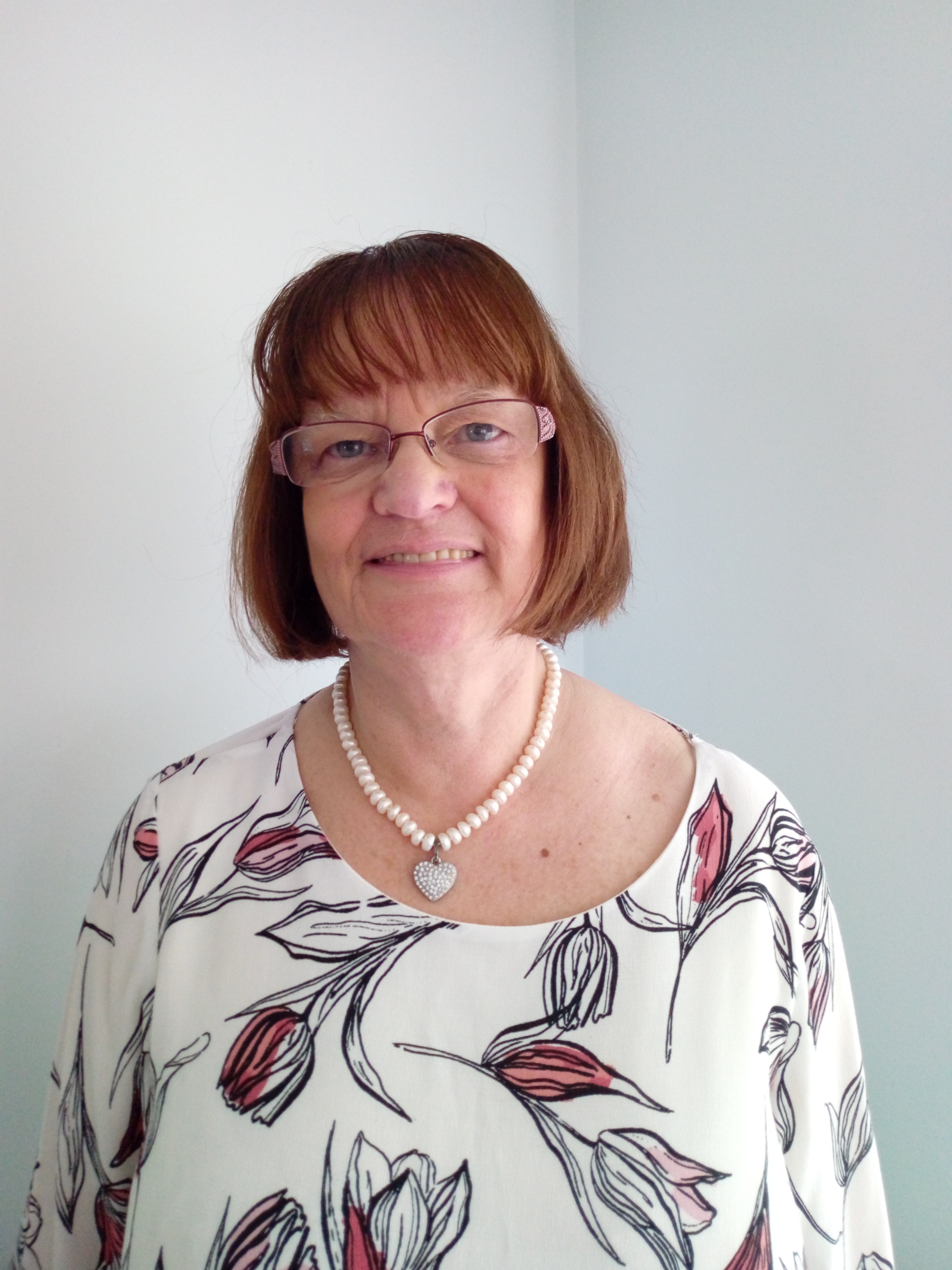
- Written by: Margaret Montcrieff — South Lanarkshire Health and Social Care Forum — Chair
- Published: 17th June 2018
Margaret shares what's working well, what isn't working well, and what could help make things work better.
As the Public Bodies (Joint Working) (Scotland) Act 2014 did not have a legal obligation to include the Public Partnership Forum – only stating that there should be a patient representative on the Integrated Joint Board – I felt it was important that this representative was supported by a strong organisation.
To this end, the then Public Partnership Forum began work, facilitated by Scottish Social Services Council (SSSC) and NHS Education Scotland (NES) and supported by the South Lanarkshire Health and Social Care Partnership (SLHSCP) Organisational Development Team, to set about responding to the new arrangements brought by the Act. This resulted in the change of name for the Forum to send a clear message that their role had changed to include social care.
The Forum then produced a new Working Agreement and associated papers and the Working Agreement was signed by Val De Souza, Director and Chief Officer, SLHSCP, Calum Campbell, Chief Executive, NHS Lanarkshire, and myself as the Chair of the South Lanarkshire Health and Social Care Forum.
Following a report to the Integrated Joint Board (IJB), the Forum was appointed as the “Community’s Voice” for this work.
What is working well
Integration has encouraged more “partnership working” with many more joint health and social care initiatives. In South Lanarkshire, the Integrated Community Support Team consists of health and social care staff who support patients to remain in their own communities and offer a coordinated approach to their care. There is a similar approach with the service provided by the Hospital at Home Team, preventing hospital admissions and enabling patients to remain at home even when they have high care needs.
Integration has also encouraged more joint training between health and social care staff and enabled them to have a better understanding of how they work together. Training for IJB members has also offered them a better understanding of their individual roles and responsibilities; a shared understanding of integration; and how the IJB’s work relates to the Health Board and the Council. Forum members have also had the opportunity to participate in joint training where appropriate.
The Forum’s members involvement in the Building and Celebrating Community events throughout South Lanarkshire; the Strategic Commissioning Planning process; the Locality Planning Groups; the implementation of the new GP Contract; and many other initiatives have ensured that the public have a meaningful voice in truly influencing the planning and consultation process.
I initially had concerns that my voice would not be valued as I did not have any voting rights, however this has not materialised. Instead, senior staff within the Partnership have promoted our involvement in this process resulting in discussions taken at IJB meetings that have made a change in process and support for patients in several sensitive situations.
An initial protocol has been agreed for issues and concerns from the community to be “fed into” the integration process and for the Partnership to cascade information to Forum members. Following a gap analysis, it was highlighted that the Forum has a circulation of almost 100,000 people which is almost a third of the population of South Lanarkshire.
What is not working
My main concern is the uncertainty of funding and support for unpaid carers due to:
- The responsibility changing from one NHS Board to two Partnership Boards, one of which is currently undergoing a commissioning process especially when most of the care for unpaid carers is provided by a carers organisation which covers both Partnership areas.
- The development of a Community Capacity Building and Carers Support Strategy in North Lanarkshire that does not take account of the major role of the Lanarkshire-wide Carer Organisation.
- The increased workload associated with the implementation of the Carers (Scotland) Act 2016.
I hope most of these issues can be resolved soon to enable the focus to be on taking forward the recommendations in the Carers Act and ultimately providing a better a more coordinated service to unpaid carers.
What would work, if only we could…
- Have more finance
- Improve communications by all involved in this process, including between patients, carers and staff and between staff from the same or other organisations
- Decrease the time to implement packages of care
- Have a system for all patients and carers to enable them to access one person who could coordinate all their care services instead of having to give the same details to various members of staff
- Have an IT system that covered primary care, health and social care
- Build trust between the statutory, voluntary and independent organisations.
I believe we are on the right track, however there is still a lot of work to do to encourage the integration process across all services, staff and the public. To promote change is a challenge, but all involved have an important role to play in promoting this approach.
Further information is available at www.slhscp.org.uk (This link will take you away from our website), with a link to “Get Involved” for more information on the South Lanarkshire Health and Social Care Forum.
Margaret’s Opinion is part of the ALLIANCE’s ‘We Need To Talk About Integration’ anthology which is available at the link below.
End of page.
You may also like:
To mark ‘What matters to you?’ Day, The ALLIANCE's Barbara Flynn considers the impact of Tommy Whitelaw’s talks for nurses and midwives.
Continue readingThe ALLIANCE’s Humans of Scotland project works to challenge stigma.
Continue readingIn her latest TFN column, our Chief Officer Sara Redmond reflects on post election feelings and Scotland’s future.
Continue readingALLIANCE Chief Officer, Sara Redmond, reflects on our Annual Conference 2026 and how we're turning hope into action.
Continue readingALLIANCE member, Catherine, shares the importance of initiatives like 'What Matters To You?' Day in promoting person centred care.
Continue readingLearn about how the ALLIANCE has championed joined-up, person centred care.
Continue readingDementia Action Week highlighted some great resources and support for people living with dementia and their family, friends, and carers.
Continue readingSteven Mair gives us an insight into his role as a gamer at the Glasgow Children’s Hospital Charity.
Continue readingSince 2009, ALISS has helped people find local health and wellbeing support. Any group, big or small, can add their information.
Continue readingThe new Scottish Government must turn promises into action to improve hospice and palliative care
Continue readingTogether, we can create lasting change for everyone living with Crohn’s or Colitis.
Continue readingFind out more about these digital self management tools and how to get in touch to arrange an information session.
Continue readingOur Chief Officer Sara Redmond addresses recent commentary on the relationship between Government and the Third Sector.
Continue readingCornell explores how we can build an environmental human rights-based culture
Continue readingLouise Coupland, Digital Health and Social Care Programme Manager shares her opinions on the national roll out of MyCare.scot.
Continue readingChris Mackie, Director of Digital, looks back at how ALISS has developed, grown, and innovated over time.
Continue readingCrohn’s and Colitis care in Scotland is at a pivotal moment. Urgent action is needed to tackle delays and poor access to vital services
Continue readingThe ALLIANCE’s Lewis Shaw reflects on the importance of rehabilitation support.
Continue readingIsabella Goldie of Deafblind Scotland reflects on the value of partnership work.
Continue readingFind out more about the inaugural Power of Attorney Day taking place on 22 April 2026.
Continue readingDr Hannah Tweed reflects on 20 years of the Scottish Sensory Hub, the important work they do and why it matters.
Continue readingAs part of our 20 year anniversary, Kerry shares her reflections on how far the ALLIANCE has come, our achievements, and our impact.
Continue readingIn her latest TFN column, our Chief Officer Sara Redmond reflects on 20 years since Scotland moved to put children at the centre of policy.
Continue readingCancer care in Scotland is at a critical moment. Macmillan is calling for urgent action ahead of the parliamentary elections in May
Continue readingMhairi Campbell reflects on Premenstrual Dysphoric Disorder (PMDD) not being recognised as having a severe impact on life.
Continue reading