
Scotland Conference on Integrated Care: From Innovation to Impact
- Type: Event
- Date: 27/10/2026 at 9:30am - 4:15pm
- Location: Golden Jubilee Conference Hotel, Beardmore Street, Clydebank Glasgow, G81 4SA
- Event Contact: IFIC Scotland
- Email: IFICScotland@integratedcarefoundation.org
Apply Online
The International Foundation for International Care (IFIC) Scotland and partners invite you to this one day learning event.
This one-day collaborative learning event shares local, national and international experience of implementing integrated care and support. Participants will consider the innovation and improvement required for Health and Social Care Service Renewal and to implement key priorities from the Care Reform (Scotland) Act.
Thanks to generous support from IMPACT – Improving Adult Care Together and from our Knowledge Partners, we are pleased to offer this full day event at a delegate rate of £50.
Themed sessions and breakouts will include:
- Preventative, proactive and place-based care and support
- Digital innovation for health, social care, housing and wellbeing
- Collaborative workforce solutions and inter-professional education
- Embedding lived experience in learning ecosystems
- Investing for value and outcomes
Reserve your place at our booking page and select either in-person or online participation.
Please note that online delegates will attend breakout sessions 2A and 3A, so will not have a choice of sessions when registering.
Online delegates will receive a link to join the hybrid sessions live or watch on demand.
For more information, contact Emma Nieminen, IFIC Scotland Coordinator: IFICScotland@integratedcarefoundation.org
Agenda
| 8:45 | Central Plaza for Registration, coffee and networking |
| 9:30 | Plenary 1 Welcome from IFIC Scotland partners Anne Hendry, Director of IFIC Scotland Fiona Lyne, International Foundation for Integrated Care (IFIC) Helen Rainey, University of the West of Scotland Christine Jack, Health and Social Care Scotland Justine Duncan, Health and Social Care Alliance Scotland Headline talks and table conversations facilitated by Helen Rainey, University of the West of Scotland Rhiann McLean, IMPACT Embedding Lead for Scotland Building workforce resilience – Connie Hendry, Scottish Government Innovation in workforce education and training – Gordon Paterson, PSD Scotland What’s new in primary care & community health – Alice Burling-Brown, Scottish Government Reframing adult social care – Prof Louise McCabe and Dr Richard Brunner, IMPACT Housing innovations – Richard Meade, Scottish Federation of Housing Associations Digital innovations for care and wellbeing – Prof Margaret Whoriskey, DHI |
| 11:00 | Refreshments and networking in Central Plaza |
| 11:30 | Breakout sessions Arcoona – 2A: Doing the right thing, at the right time, in the right way Participants will explore the experience of community-led support (CLS) in the Scottish Borders and in South Lanarkshire and hear about innovative community-rooted personalised support by PHSS in Ontario. Both approaches are based on ‘good conversations’ around what matters to the individual, building on what’s strong, and empowering and supporting people to live well. CLS principles bring people and organisations together, create trust, and support better outcomes through relational, person-centred approaches that draw on individual and community assets. Creation – 2B: From Evidence to IMPACT: Key lessons from IMPACT’s delivery phase on how change happens in adult social care In an integrated context, social care acts as the glue that bonds together the different types of support we need, from health to housing. It strengthens our ability to live our lives fully, keeping us connected to the people and things we love. IMPACT (Improving Adult Care Together) is a UK-wide initiative that helps adult social care organisations use evidence, co-production and relational approaches to support innovation and change in policy and practice, leading to better lives for people drawing on care and support and unpaid carers. Successful improvement is not just about good evidence, but about creating the conditions that enable people to use it. Drawing together practical learning from our delivery phase (2023-2027), as well as insights from the sector, this interactive workshop is for changemakers who want to understand more about evidence-informed approaches to creating positive change at an individual, local or national level. Innovation Centre – 2C: Whole family support through general practice This session will share learning from embedding Family Wellbeing Workers in 12 Deep End GP practices to provide holistic support to families experiencing, or at risk of, poverty, trauma and neurodevelopmental difficulties. Vision – 2D: Pathways Paradox – a Socialudo serious game co-produced with Social Bite This is a taster session for a large-scale game about navigating the systems of housing, benefits, employment and support services. Drawing on real-life stories, the session simulates the real-world challenges faced by individuals facing homelessness in securing both income and a home. The interactive, thought-provoking environment encourages participants to step into the shoes of those navigating the complex systems of housing and employment to understand barriers in the system and reflect on how we might tackle them. |
| 12:45 | Buffet lunch in Beardmore Restaurant and networking in Central Plaza |
| 13:30 | Breakout sessions Arcoona – 3A: Prevention, self-help and early holistic support for mental wellbeing This session will explore examples of prevention and early intervention support for mental health and wellbeing in Scotland across the life stages. Participants will also hear about the Nursing Home Without Walls programme in Canada where care homes function as community anchors to help people stay safe, healthy, and connected at home for longer. Creation – 3B: Weathering the storm: Personal outcomes, relationships and learning for impact in integrated care Drawing on learning from IMPACT across the UK and from 20 years of personal outcomes work in Scotland, this interactive session will explore how outcomes-focused practice can support trust, relationships and meaningful change, even in pressured systems. Participants will reflect on the forces that help sustain relational, outcomes-focused approaches and what helps people and organisations to “weather the storm” while holding on to what matters to people who draw on social care and unpaid carers. Innovation Centre – 3C: DHI and Digital Lifelines Scotland (DLS), a collaborative programme with SCVO and Simon Community Scotland The session will explore how DLS is enabling system change through a person-led, placed based, community orientated and partnership approach that facilitates digital inclusion for people who use drugs and introduces digital products and services that better meet people’s needs, improve healthy outcomes and reduce the risk of harm and death. Vision – 3D: Connected communities – innovation in practice In this session, delegates will hear innovative examples of integrated working across communities. The workshop will highlight the vital role of the third sector, championing it as an equal partner in delivering preventative and self management approaches, and demonstrating how community-led services are driving meaningful change across health and social care. |
| 14:45 | Comfort break and transition to closing plenary |
| 15:00 | Plenary 2 – Investing for impact and value Creating learning systems centred around people Chair: Billy McClean, Chief Officer, Renfrewshire HSCP Keynote: Prof Kerry Kuluski, Dr. Mathias Gysler Research Chair in Patient and Family-Centered Care, Institute of Health Policy, Management and Evaluation, University of Toronto |
| 15:30 | Panel discussion moderated by Anne Hendry, Director IFIC Scotland Sara Redmond, Chief Officer of Development, The ALLIANCE Gareth Marr, Chief Officer Dumfries & Galloway HSCP Eddie Fraser, CEO, East Ayrshire Council; Strategic lead (Health and Social Care) SOLACE Scotland Joanna MacDonald, Chief Social Work Adviser and CEO, National Social Work Agency Anne Thomson, Scottish Government Realistic Medicine and Value Based Healthcare team Anne Marie Penman, IMPACT Co production Advisory Group |
| 16:15 | Thanks and close |
Speakers
This event will feature a wide range of speakers:
Connie is a senior leader with extensive experience leading workforce transformation, organisational development and system improvement across Scottish Government and the wider public sector. She is recognised for her collaborative, values-based leadership style, with a strong focus on empowering people, building inclusive cultures and leading organisations through complex change. Connie has a particular interest in organisational culture and leadership research, and has contributed to national research with the University of the West of Scotland exploring the cultural and leadership conditions required for successful integration and system reform across health and social care. She previously led on Future Workforce policy for the National Care Service Programme.
Billy oversees the design and delivery of services for people in Renfrewshire including adults, older people, mental health and learning disabilities; responsible for a budget over £400 million. He previously served as Head of Community Health and Care Services at South Ayrshire HSCP. An internationally respected leader in health and social care, Billy is known for radical place leadership, commitment to community-led models that put people first and a focus on a whole system approach to prevention. A passionate advocate for equity and community engagement, he is committed to strengthening the role of third sector organisations in improving health and wellbeing outcomes, shifting power closer to communities and organising service delivery to focus on the support people really need.
With over 20 years’ experience across the Scottish Government and NHS Fife, Margaret brings strong expertise in strategic leadership and large-scale transformation. Since 2024, she has led national collaboration to advance digital innovation in social care, social work and housing including development of the Digital Care Collaborative Scotland. Margaret also leads Digital Lifelines Scotland, reducing harm among people who use drugs through digital inclusion. Previously, she headed the national Technology Enabled Care Programme. She champions integrated, technology-enabled care and is Chair of Hanover Housing Association.
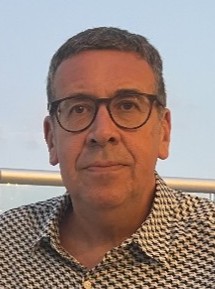
A qualified Social Worker, Gordon has worked in Social Work and Adult Social Care for over thirty years. For much of his career he worked in Local Authority Social Work Services as a practitioner, trainer, commissioner, service provider and manager. He has since worked as a Policy Manager in the Scottish Government; as Chief Inspector (Adult Services) in the Care Inspectorate; and as a Chief Officer of a Health and Social Care Partnership. PSD Scotland was established on 1 April 2026 by bringing together NHS Education for Scotland (NES) and NHS National Services Scotland (NSS). Concentrating expertise in one national organisation aims to achieve improved outcomes for people accessing services, by supporting health and social care delivery; workforce planning and development; digital delivery and transformation; national programmes and infrastructure.
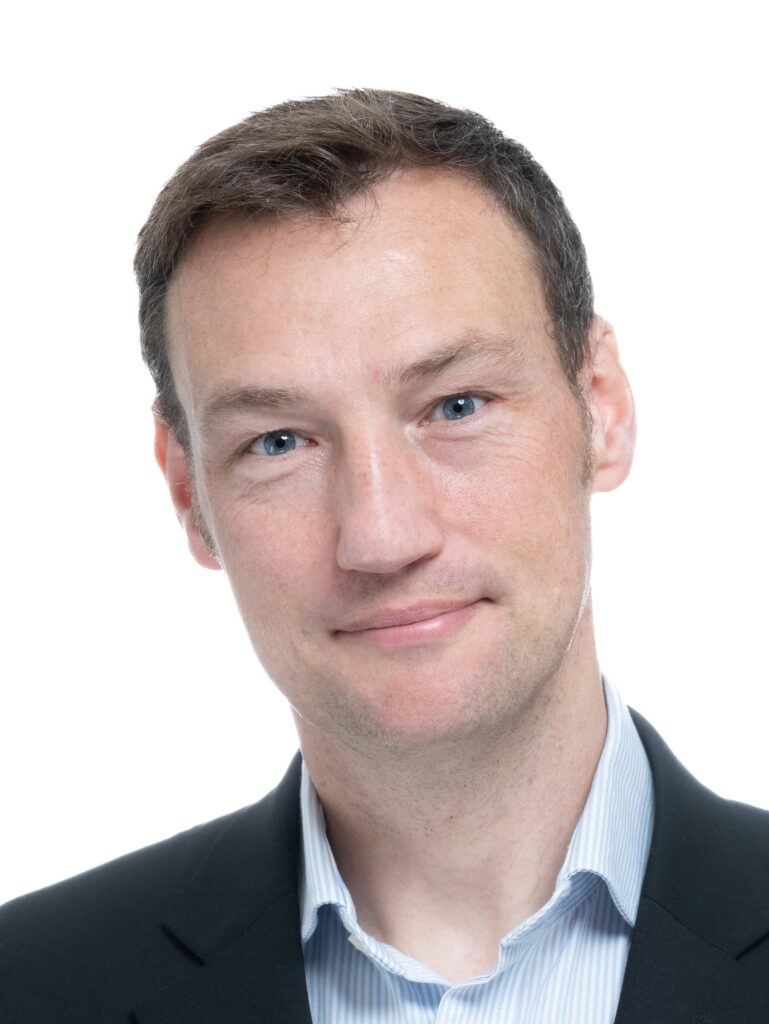
Richard was appointed Chief Executive of SFHA in September 2025, representing Scotland’s housing associations and co-operatives, supporting them to deliver safe, warm and affordable homes for over 500,000 people. He has more than 20 years of experience of working in the third sector, having previously served as Director of Devolved Nations at Carers UK and as Head of Policy & Public Affairs at Marie Curie. He has a strong track record in policy and public-affairs and senior leadership, which has resulted in significant public policy change in Scotland. Richard is a member of the Institute of Leadership, has a Master of Public Health, alongside an MSc in Policy studies, and a degree in History and Politics. He has contributed to a range of research during his career including on public health, palliative care, and unpaid care.

With Jennifer Wallace, Richard is co-lead for the Reframing Public Perceptions of Social Care project that aims to advance the vison for adult social care and support in Scotland. Richard is also Research Fellow at the Centre for Disability Research at University of Glasgow where he conducts collaborative research about the barriers to independent living experienced by disabled people, particularly in relation to social care.
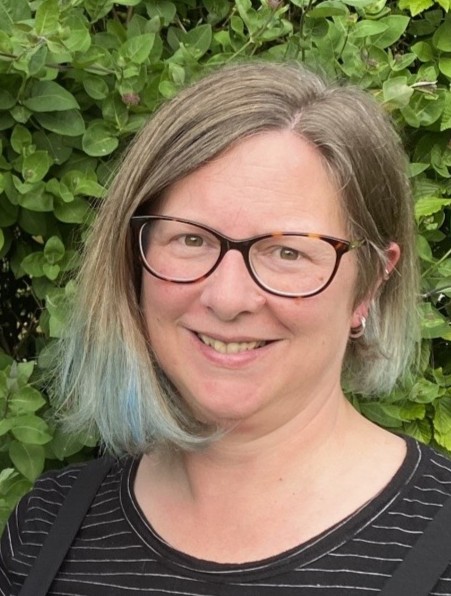
Professor Louise McCabe, Dementia and Ageing Division, Faculty of Social Sciences, University of Stirling; Head of Evidence and Evaluation and Scotland Lead at IMPACT (Improving Adult Care Together)
Louise has worked in the field of dementia studies in both practice and academia for over twenty years, starting her career as a care worker in residential homes for older people. She was part of the team that developed the first online MSc in Dementia Studies programme, launched in 2003. Louise’s research interests lie within the fields of dementia studies and gerontology. Her research mainly utilises participatory, qualitative methods to engage with the experiences and views of older people, people with dementia and their carers as well as realist evaluation methods to explore service delivery and outcomes. Research outputs include user-focused evaluations and cross-national studies of care services for older people in Europe and Asia.
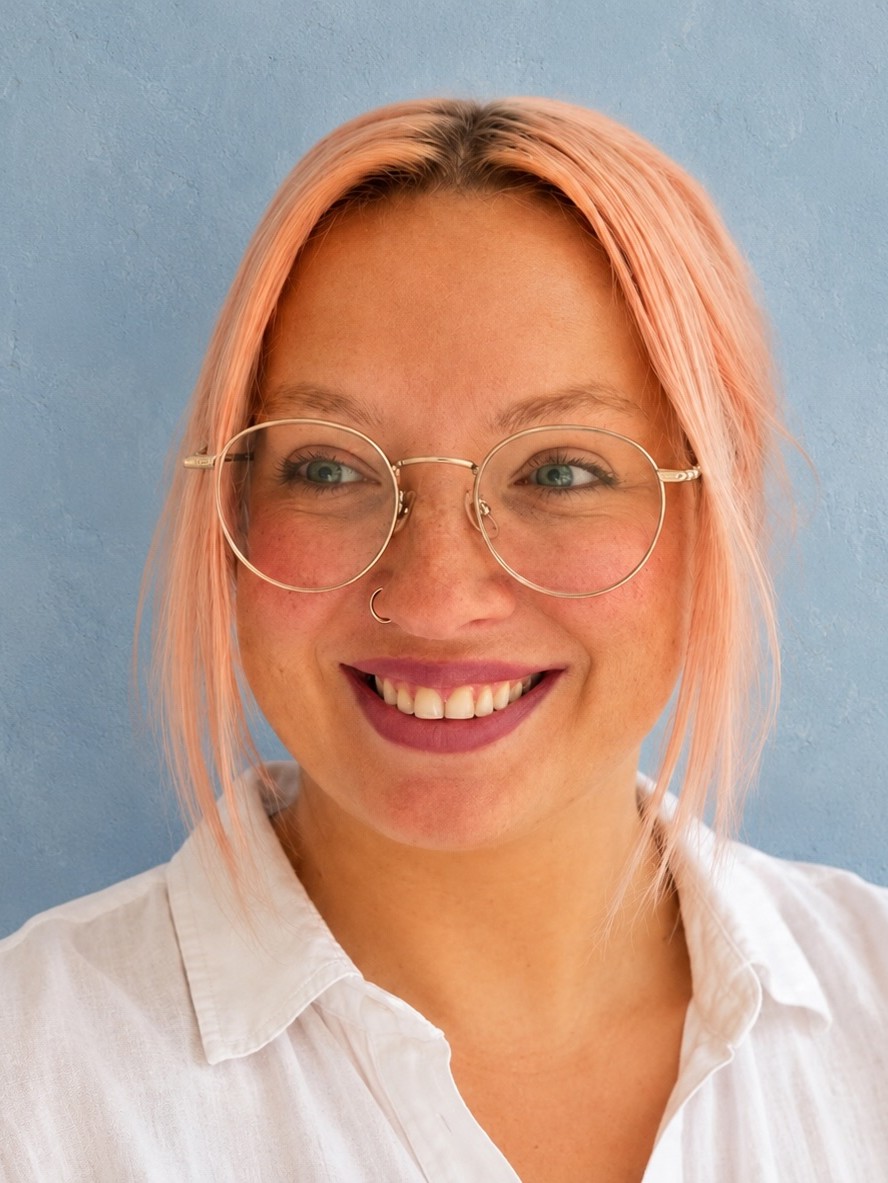
Rhiann has a Masters in Public Policy from the University of Glasgow and started her career in social care as a community support assistant before progressing to boundary-spanning roles across research, evaluation, public engagement, and co-production. She has a specialist interest in co-production with marginalised groups including people with learning disabilities, autistic people, disabled women who have faced gender-based violence, LGBTQ+ disabled people and care experienced people. Rhiann is passionate about raising the profile of evidence in social care.
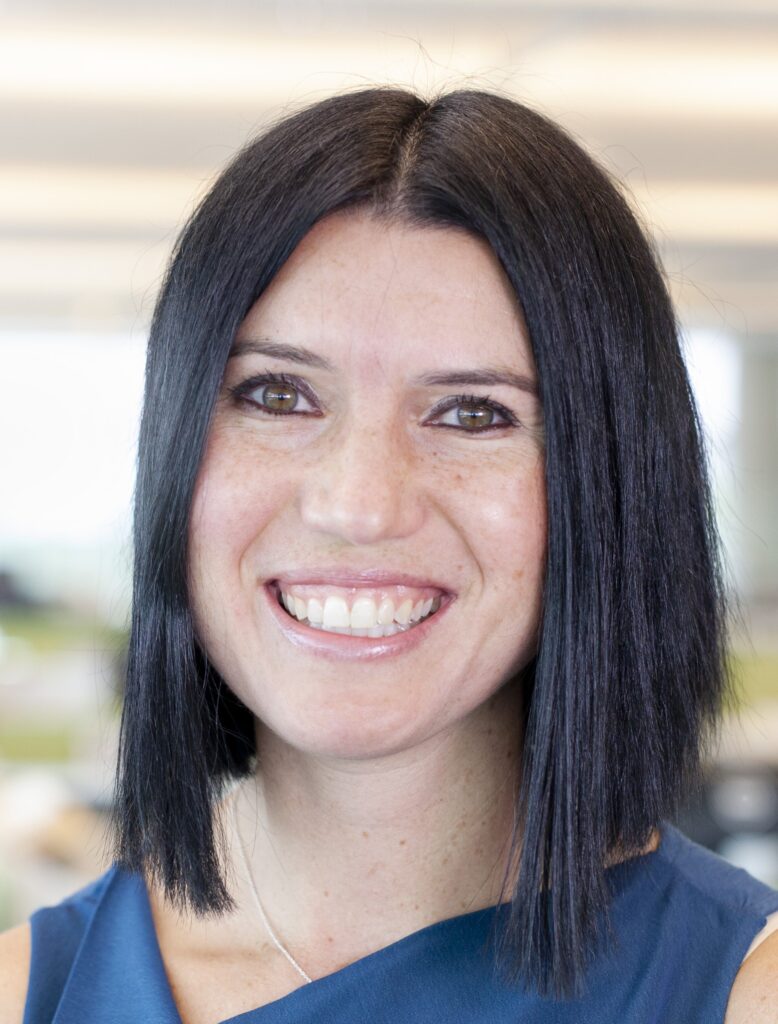
Kerry is an Applied Health Services Researcher and trained Social Worker who earned her PhD in Health Services and Policy Research from the University of Toronto and completed a Postdoctoral Visiting Fellowship at the University of Oxford. She supervises graduate students and serves as Course Director for a graduate-level course she developed on Patient and Caregiver Engagement in Research. Kerry leads a program of research focused on the experiences of individuals with chronic health conditions and their family caregivers, with the aim of improving care quality and health system performance through meaningful partnerships with patients, caregivers, and providers. She is Associate Editor for the international, peer-reviewed journal Health Expectations.
Sara is responsible for leading and continuing to shape the vision and strategic direction of the organisation, and overseeing the ALLIANCE’s portfolio of programmes. Central to this is ensuring a strong voice for disabled people, people living with long term conditions and unpaid carers and opportunity to influence change based on their lived experiences. Sara’s works closely with ALLIANCE members, developing innovative partnerships that show how change can be achieved, and promoting the role of the third sector as a key innovator and partner in realising Scotland’s national health and wellbeing outcomes.

Gareth Marr, Chief Officer, Dumfries and Galloway HSPC
Gareth is a passionate and experienced healthcare leader who’s spent over 15 years working across the UK and Australia, always with a focus on improving services and supporting people’s wellbeing. He’s currently the Chief Officer at Dumfries and Galloway Health and Social Care Partnership, where he’s helping to shape the future of integrated health and social care in the region. Gareth previously led major improvement work in mental health and learning disabilities at Aneurin Bevan University Health Board, combining strategic programme leadership with hands-on operational management roles. He has a reputation for being thoughtful, collaborative, and deeply committed to making services better for the people who rely on them and brings a grounded, compassionate approach to everything he does.
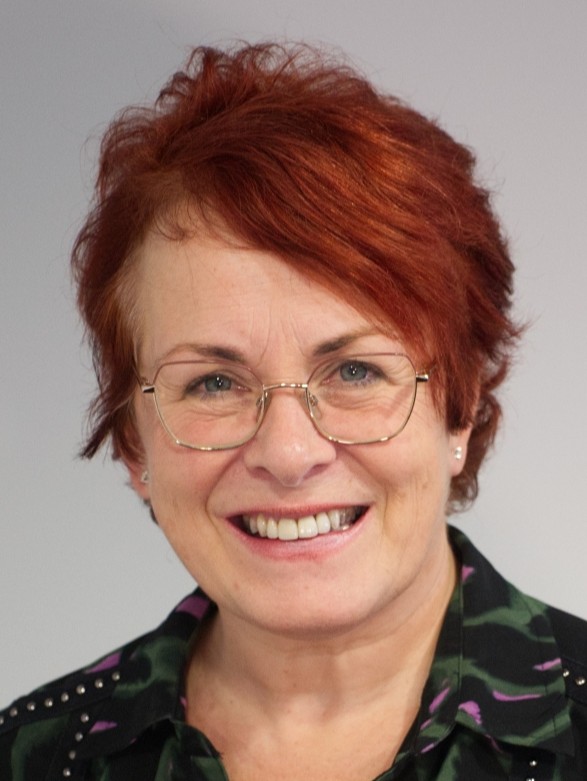
Joanna has over 35 years’ experience in social care, social work and health spanning various roles including as Chief Officer of two Integration Joint Boards. At the heart of Joanna’s work is a strong commitment to people – the individuals, families and communities served by social work, and the workforce who support them. She is known for leading with compassion, integrity and respect, and for championing social work as a profession, a calling, rooted in purpose, values and positive change. Joanna is proud to serve as Scotland’s first Chief Executive of the National Social Work Agency and to champion a profession that changes lives.
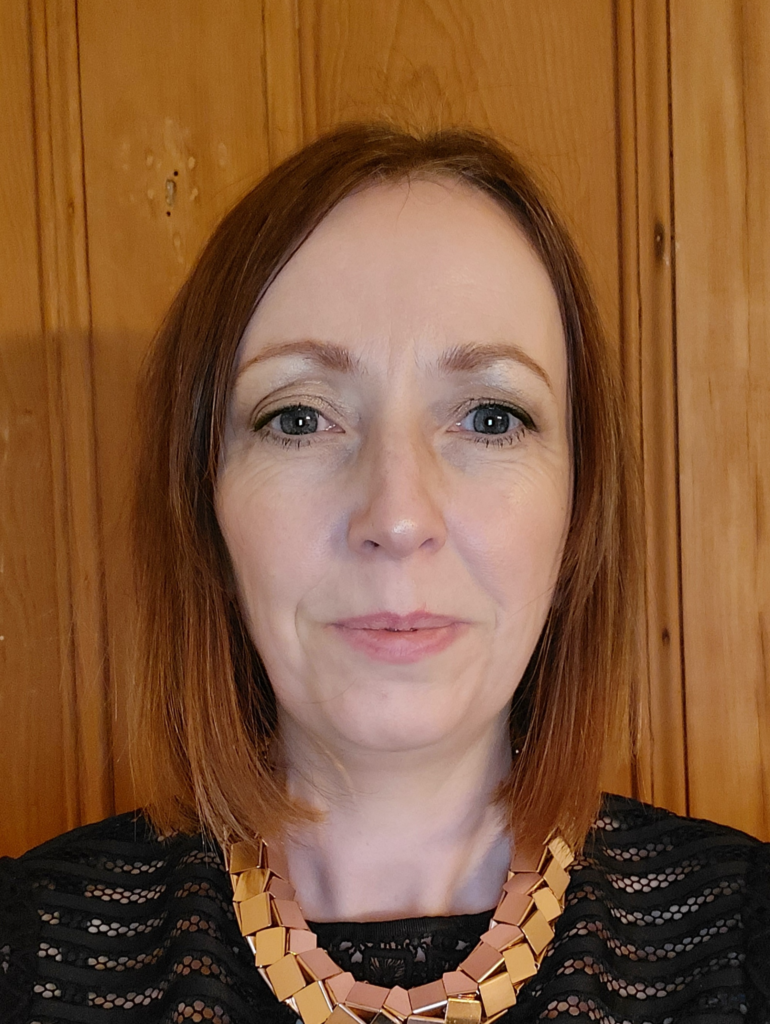
Passionate about improving outcomes that truly matter to people, Anne is a programme lead for Value Based Health & Care within the Realistic Medicine Policy Team at Scottish Government. This involves working across systems, services and teams to embed outcome‑driven, person‑centred approaches that reshape how care is designed and delivered. Alongside this, she works as Lead Pharmacist for Clinical Services in primary care, NHS Greater Glasgow and Clyde with a grounding in medicines optimisation and interdisciplinary working. Having a dual role enables her to bridge clinical practice with system‑level transformation, ensuring that innovation remains practical, feasible, and aligned with frontline realities. She has recently completed the Scottish Quality and Safety Fellowship, enhancing her skills to lead system improvement with a current focus on reducing overprescribing.
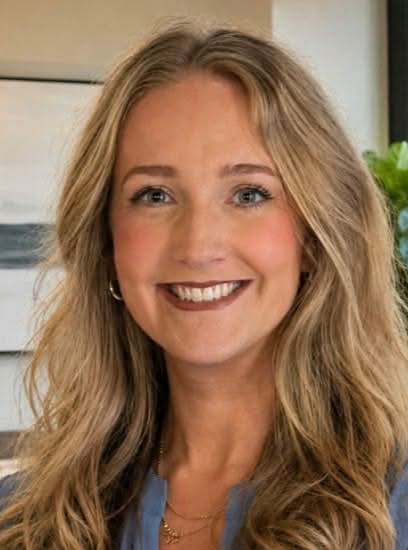
Alice provides strategic leadership for the cross-sector development and delivery of the Primary Care and Community Health Route Map, shaping policy direction and driving collaboration across health and care partners. Her work focuses on delivering key system outcomes, including improving access, shifting the balance of care into communities, strengthening quality and continuity, and advancing more person-centred, connected services. She has a strong track record in leading complex, high-profile government strategies and programmes. Her previous roles include work on the National Mission on Drugs, supporting Redress Scotland in response to historical child abuse, and playing a leading role in the Foreign, Commonwealth and Development Office’s Preventing Sexual Violence in Conflict Initiative.
Anne is a retired geriatrician who held national clinical lead roles in Scotland for policy and improvement programmes on Long Term Conditions; Healthcare Quality; Reshaping Care for Older People; and Integrated health and social care. Through IFICs Academy and Solutions teams she supports integrated care education and system coaching in the UK and beyond. She was Honorary Secretary, British Geriatrics Society 2021 – 2023, is Chair of Kilbryde Hospice and a Trustee director of Compassionate Inverclyde.
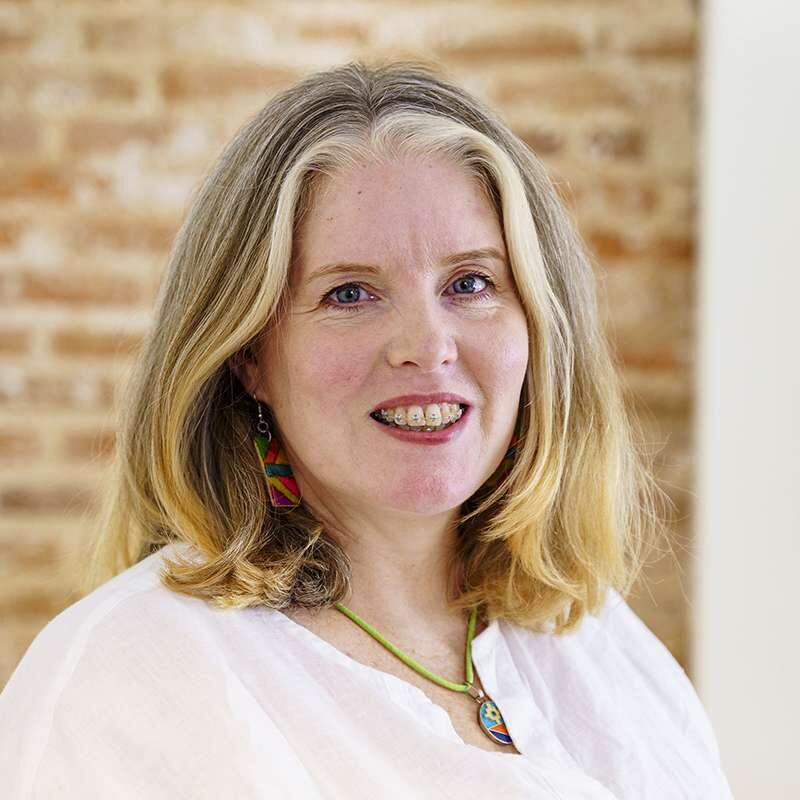
Fiona Lyne, Deputy Chief Executive and Head of Global Partnerships, IFIC
Fiona Lyne is Deputy Chief Executive and Head of Global Partnerships at the International Foundation for Integrated Care (IFIC). A founding member, she has played a central role in transforming IFIC from a small start-up into the leading international platform for knowledge, learning, and collaboration on integrated care. Fiona leads IFIC’s global partnerships and has been instrumental in establishing and developing hubs in Australia, Scotland, Ireland, Canada, and Latin America, creating opportunities for cross-country learning and collaboration. She also oversees IFIC’s flagship International Conference on Integrated Care (ICIC), which travels annually around European cities and has grown from 400 to 1,600 delegates under her leadership, making it the largest event of its kind worldwide.
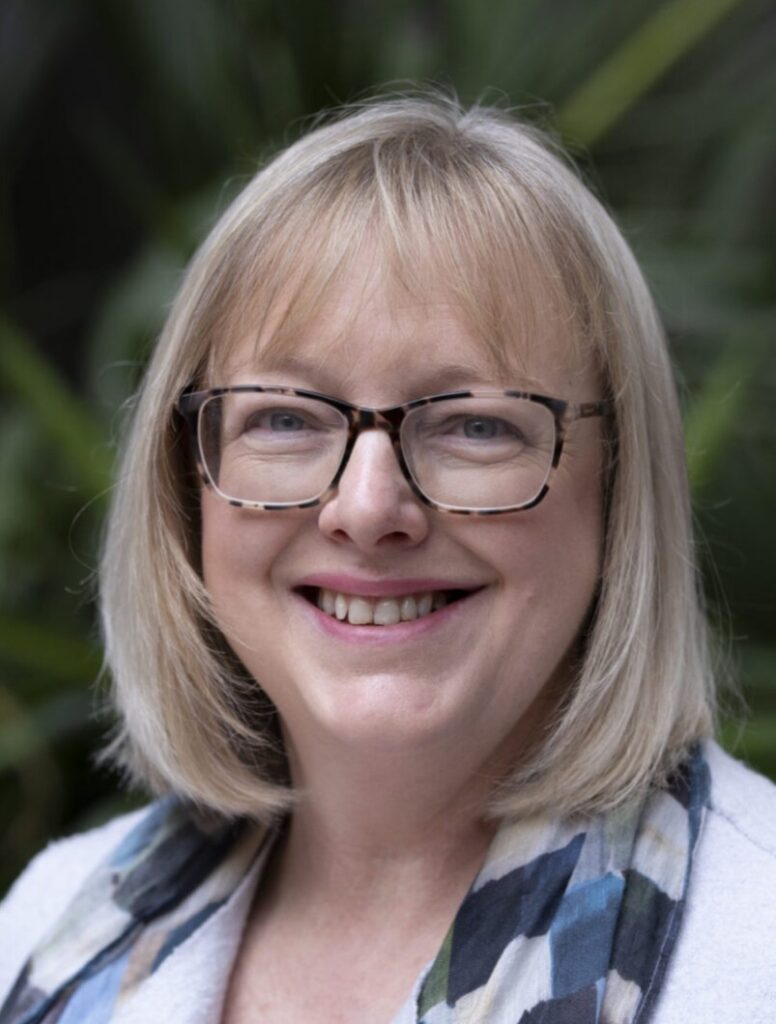
Ann Marie Penman, IMPACT Co production Advisory Group
Ann Marie is an unpaid carer. Too often, the voices and views of lived experience are not listened to. Ann Marie sees IMPACT as an opportunity to share her lived experiences, as a carer, in a place where they will be heard, and can contribute to positive change within adult social care.
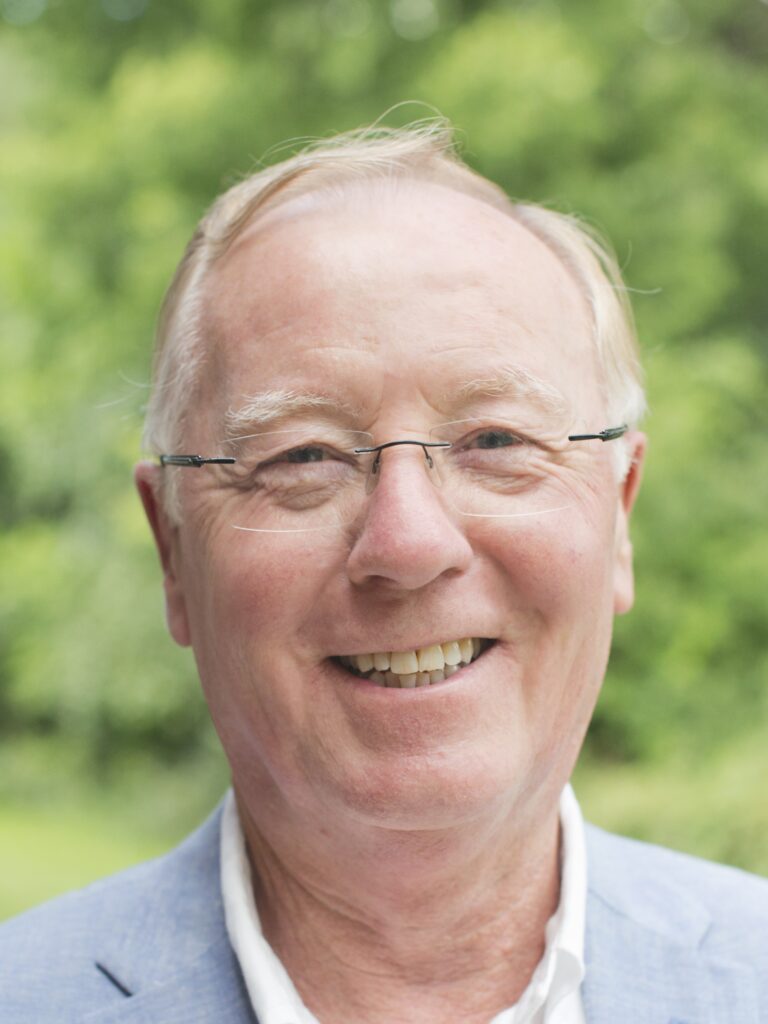
Brian Dunne, President & CEO, PHSS Support Services
Brian has served as President and Chief Executive Officer of PHSS Support Services since its founding in 1988. Under his leadership, PHSS has become a leading non-profit provider of person-centred, community-based supports for people with complex medical, physical and developmental needs across Ontario. He is recognised for advancing integrated health and social care, particularly through supporting people to transition from hospitals and institutional settings into community living and through his leadership in Ontario’s Long-Term Ventilation strategy. Brian has also contributed to the development of Ontario Health Teams and serves on a range of provincial boards and networks. In 2025, he was awarded the Order of Ontario, the province’s highest honour, in recognition of his contributions to health and social care.
Event sponsor
IMPACT – Improving Adult Care Together is the UK centre for implementing evidence in adult social care, working to promote positive change that improves the lives of people who draw on care and support and their carers.
Knowledge partners
Iriss (the Institute for Research and Innovation in Social Services) works with people, organisations and the workforce to help create the conditions for social work and social care to flourish, supporting the use of knowledge, evidence and innovation to improve outcomes.



With thanks to the lead partners:
IFIC Scotland brings together a national network of partners to support people‑centred integrated care, with a shared mission of co‑creating a healthier future by developing compassionate leaders and translating evidence into policy and practice.
Health and Social Care Alliance Scotland (the ALLIANCE) is the national third sector membership body for health and social care in Scotland, bringing together people, organisations and lived experience to shape services and improve wellbeing across communities.

University of the West of Scotland is a founding partner of IFIC Scotland, bringing its expertise in education, research and leadership development to support the design and delivery of people‑centred integrated care. Through its work with IFIC and partners, UWS plays a key role in developing the knowledge, skills and evidence needed to transform practice and improve outcomes.

Health and Social Care Scotland is a national collaboration of leaders from across health and social care partnerships, working collectively to deliver sustainable, integrated services and better outcomes for people and communities.
Don’t miss out. Book your place here.
End of page.
You may also like:
Type: Event Date: 20/10/2026 at 10:00am
Build your confidence in funding applications with practical advice, funder insights and top tips for stronger applications
Continue readingThis year's DiGiTal Get Together will take place on 21 October at the Radisson Blu in Glasgow
Continue readingJoin the ALLIANCE and Scottish Government for the next webinar in our women's health series, this time on hormonal replacement therapy.
Continue readingHelp shape future ambulance vehicles and equipment. Share your lived experience at our NVDEG Engagement Day in Glasgow on 27 October.
Continue readingPerceptions is an upcoming exhibition of work by artists supported by Sense Scotland.
Continue readingType: EventLocation: Online Date: 28/10/2026 at 10:00am
Join the conversation on human rights and the future of Scotland’s public services, at this event from the Academy and HRCS.
Continue readingType: TrainingLocation: Online Date: 29/10/2026 at 1:00pm
The Curve, led by Third Sector Lab, offers free digital skills training.
Continue readingType: Event Date: 29/10/2026 at 10:00am
Written by family carers, for family carers and practitioners. Free to family carers.
Continue readingType: TrainingLocation: Online Date: 03/11/2026 at 10:00am
The Curve, led by Third Sector Lab, offers free digital skills training.
Continue readingThis online session is aiming to collect opinions on how social challenges impact on aging and gather ideas on how to make positive change.
Continue readingJoin UoG to launch It Takes a Village, a new study exploring how communities can help deliver earlier mental health support to young people.
Continue readingType: TrainingLocation: Online Date: 10/11/2026 at 1:00pm
The Curve, led by Third Sector Lab, offers free digital skills training.
Continue readingSign up for our free roundtable event to discuss gambling harm in relation to poverty, and place.
Continue readingPractical ideas and expert insights to create more inclusive workplaces.
Continue readingType: TrainingLocation: Online Date: 19/11/2026 at 2:30pm
The Curve, led by Third Sector Lab, offers free digital skills training.
Continue readingType: Event Date: 21/11/2026 at 10:30am
Full day event for families to feel informed, supported and inspired
Continue readingType: Event Date: 24/11/2026 at 10:00am
Explore children’s rights and AI, hear learning from key organisations, and connect with others through discussion, networking and updates.
Continue readingWebinar exploring how Talking Mats can transform communication and puts children's voices at the heart of decision-making.
Continue readingType: TrainingLocation: Online Date: 08/12/2026 at 10:00am
The Curve, led by Third Sector Lab, offers free digital skills training.
Continue reading